Boko Haram Leverages Frontier AI for Operational Planning, Not Just Propaganda
A new study by Antonia Juelich, based on interviews with former Boko Haram members, reveals a significant shift in how the terrorist organization utilizes artificial intelligence. Contrary to previous assumptions that AI was primarily for propaganda, the report, titled "God Has Helped Us, and So Will AI," documents the group's adoption of advanced AI models for core operational functions. This marks a transition from theoretical concern to documented, practical application of AI in an active conflict zone.
The study highlights that both factions of Boko Haram, ISWAP and JAS, are employing multiple commercially available frontier AI tools, including ChatGPT, Claude, Gemini, Grok, Meta AI, and DeepSeek. These AI models are being used for critical tasks such as attack planning, troubleshooting weapons, designing explosive devices, managing logistics, and enhancing operational security. Interviewees detailed methods like jailbreaking and deceptive prompting to bypass AI safeguards, indicating a sophisticated understanding and deliberate effort to exploit these technologies.
Boko Haram's leadership reportedly places significant value on AI, institutionalizing its use through dedicated teams and controlled access for trusted, trained operators. This demonstrates a strategic investment in AI research and development, viewing it as crucial for innovation within the terrorist group. External support and trainers from other countries are also facilitating skill development and knowledge transfer, further embedding AI capabilities within the organization.
Juelich's findings underscore the urgent need for policymakers and AI developers to address the evolving threat. The group's enthusiasm for AI, combined with its willingness to use mass-casualty weapons, presents a grave security challenge. The report emphasizes that while current AI capabilities might primarily enhance planning and troubleshooting, the integration of AI into terrorist operating models, automating decision-making and adaptation, signals an emerging security concern for counterterrorism efforts and global AI governance.
Source
More in society
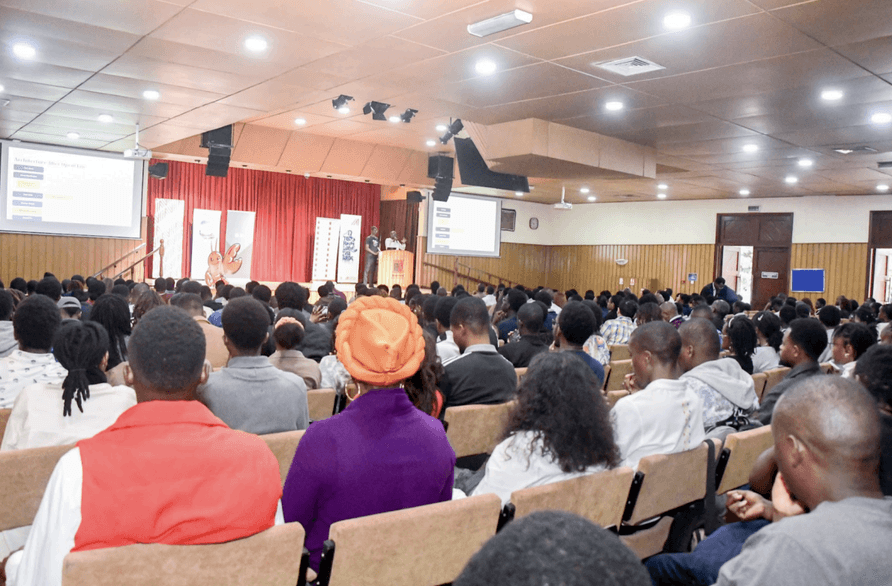
Nairobi Hosts Africa's First Personal AI Conference, Highlighting Local Innovation
ClawCon Nairobi, Africa's first community-led personal AI conference, saw over 400 attendees, indicating a strong and growing interest in locally adaptable AI solutions. The event…

African AI Film Festival to Showcase Continent's Creative Talent in AI-Powered Cinema
The African AI Film Festival 2026 will provide a global stage for African and African-diaspora filmmakers to showcase cinema reimagined with artificial intelligence. It aims to…

AI-Powered Image Analysis Supports Sodium Regulation in South African Packaged Foods
This study from South Africa introduces an AI-powered workflow designed to screen packaged foods for compliance with national sodium regulations (R214). By using image analysis…

Tailoring AI for Africa: A Focus on Local Priorities, Language, and Data
This piece strongly argues that AI for Africa must prioritize local needs, leveraging diverse data beyond language, while also addressing the continent's rich linguistic…
The dispatch
One email a day. The AI stories shaping Africa.
Rewritten for clarity, sourced always. No spam; unsubscribe anytime.