AI-Powered Cyber Threats Soar in Kenya, Endangering Small Businesses and the Economy
Kenya experienced a significant surge in cyber threat events, recording 11.12 billion in the last financial year, a 29% increase from the previous year. This rise is largely attributed to the use of artificial intelligence by cybercriminals, enabling them to automate scams, impersonate individuals, and target online businesses more effectively. This trend poses a substantial risk to Kenya's small businesses, which are increasingly reliant on digital platforms but often lack the resources to defend against sophisticated AI-driven attacks.
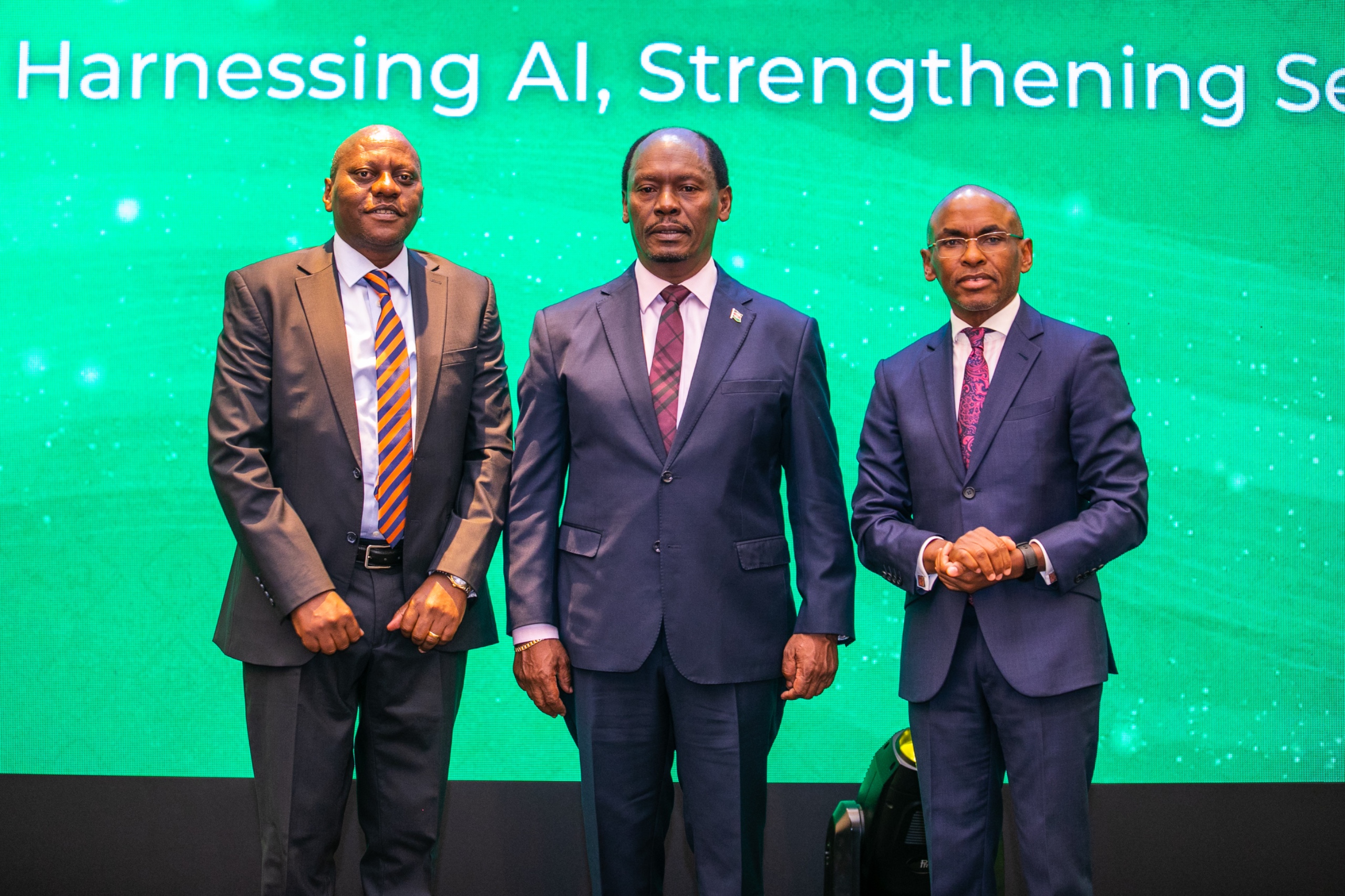
The Communications Authority of Kenya's figures were a key topic at Safaricom's recent Cybersecurity Summit in Nairobi. The event highlighted how AI is transforming both offensive cyberattacks and defensive security measures. Speakers emphasized the need for cybersecurity to be integrated into digital services from their inception, rather than being an afterthought, and called for greater collaboration across sectors to establish shared security standards.
AI's impact on cybercrime economics is profound. Attackers can leverage AI to create highly convincing phishing messages, deepfakes, and automated fraudulent requests. Conversely, security teams are employing similar AI technologies to detect suspicious activities and respond to threats. For small businesses, the risk manifests as deceptive emails or messages that, if unverified, can lead to significant financial losses and operational disruptions.
Given that small and medium-sized enterprises constitute about 98% of businesses in Kenya and contribute over 30% to the GDP, their vulnerability to cyber incidents has broad economic implications. Safaricom is offering managed security services to provide smaller firms with access to advanced security capabilities, though details on their uptake and effectiveness remain undisclosed. The challenge for these businesses is finding affordable and demonstrably effective cybersecurity solutions in an evolving threat landscape.
This issue extends beyond Kenya, with Africa experiencing a 421% increase in cyberattacks between 2016 and 2025, far outstripping the global average. This rapid digital adoption across the continent, while beneficial, simultaneously creates new security vulnerabilities for businesses, governments, and financial institutions, underscoring the urgent need for robust cybersecurity strategies.
Source
More in society
New Guide Helps African Nonprofits Strategically Adopt AI for Social Impact
A new report from The Bridgespan Group provides a practical guide for African nonprofits on how to responsibly and effectively integrate artificial intelligence into their…

UNDP and GSMA Join Forces to Boost African-Led AI Development and Language Solutions
The UNDP and GSMA have partnered to bolster Africa's AI ecosystem, focusing on developing and deploying African-led AI solutions, particularly those incorporating African…

MTN and Gates Foundation Launch AI-Powered Maternal Health Platform in Nigeria to Aid 500,000 Women
MTN and the Gates Foundation have launched a $25 million AI-enabled maternal health platform in Nigeria, aiming to provide healthcare guidance to 500,000 women and digital tools…

AI Fuels Sophisticated Tax Scams in South Africa, Kaspersky Warns
AI is enabling South African tax scammers to create highly convincing phishing attempts that mimic official SARS communications, making it difficult for citizens to spot…
The dispatch
One email a day. The AI stories shaping Africa.
Rewritten for clarity, sourced always. No spam; unsubscribe anytime.