Sama's Kenyan Layoffs Highlight Fragility of AI Data Labeling Jobs in Africa

This article reflects on the recent mass layoffs at Sama in Nairobi, Kenya, where 1,108 staff were made redundant following Meta's termination of a content moderation contract. The author, who initially championed microtasking as a pathway out of poverty for African youth, critiques the development organizations like the Rockefeller Foundation and International Finance Corporation for investing in 'impact sourcing' without adequately pricing the risk of single-client dependency. These organizations had funded Sama directly, viewing it as a strategy for youth economic empowerment through digital jobs.
The piece highlights the 'ladder' theory of impact sourcing, where workers would gain skills at Sama and transition to better jobs. An MIT study involving 1,115 Nairobi youth applying for Sama's AI 101 training showed that those who received training and a job referral to Sama's delivery center earned significantly more and had lower unemployment rates. This suggests the model worked for individual climbers, with workers earning roughly 2.5 times Kenya's formal minimum wage.
However, the author points out a critical flaw: while individual exits were measured, the impact of over a thousand workers with similar skills entering the Nairobi job market simultaneously was not. Furthermore, Sama's alumni data, often used to claim high retention in employment or education, is questioned due to low survey completion rates. The reliance on a single major client, Meta, for nine years is identified as the core vulnerability, transforming a promising development model into a precarious employment situation for many.
This situation underscores the need for greater diversification in client portfolios and more robust risk assessment in impact sourcing initiatives within the African AI data labeling sector. The mass layoffs reveal the precarity of jobs heavily reliant on a few large global tech clients, impacting thousands of livelihoods in Kenya and potentially serving as a cautionary tale for similar ventures across the continent.
Source
More in society

Zambia Launches AI-Powered Platform to Bridge Skills Gap in Vocational Training
Zambia's Ministry of Technology and Science is piloting Njila.ai, an AI-powered career guidance platform aimed at linking vocational training with job market needs. This…
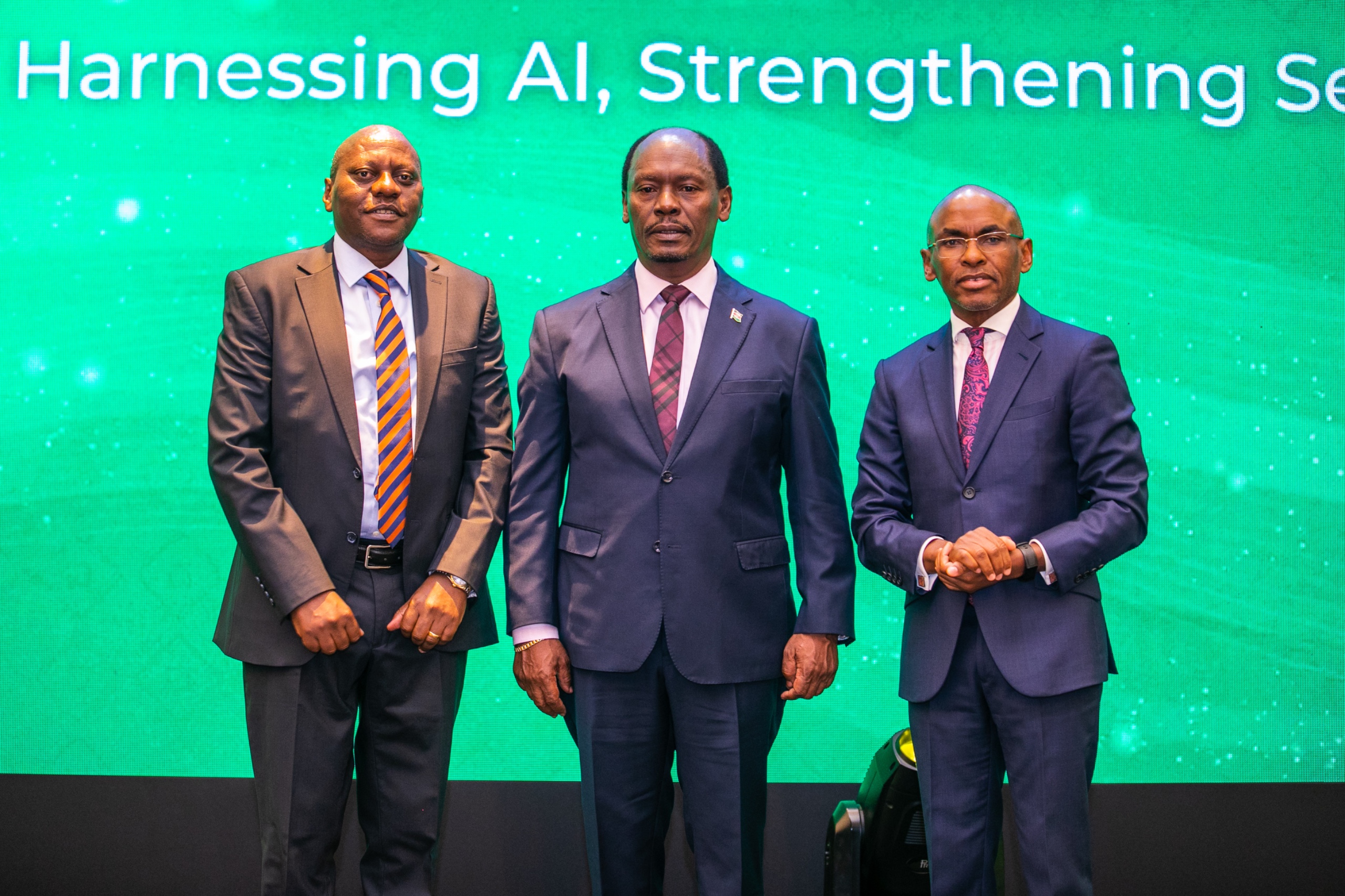
AI-Powered Cyber Threats Soar in Kenya, Endangering Small Businesses and the Economy
Kenya's small businesses face escalating AI-powered cyber threats, with 11.12 billion threat events recorded last year. This surge endangers the 98% of Kenyan businesses that are…
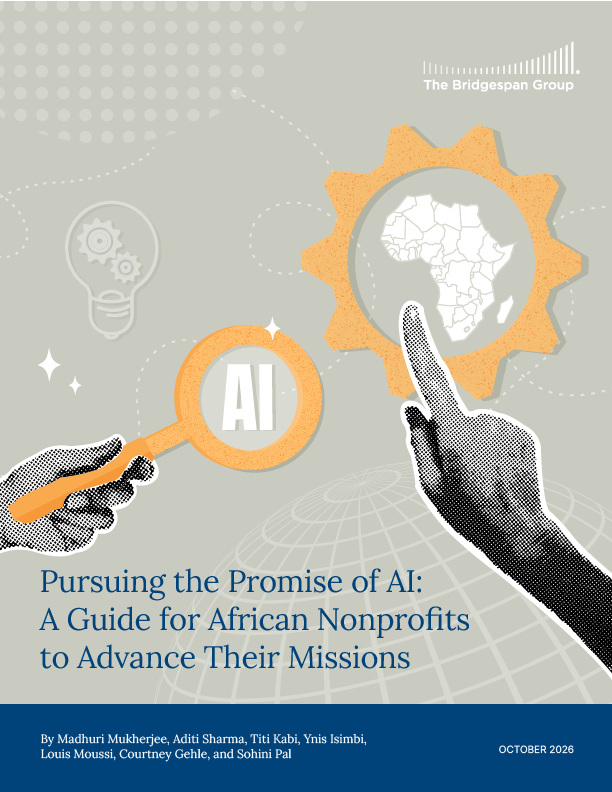
New Guide Helps African Nonprofits Strategically Adopt AI for Social Impact
A new report from The Bridgespan Group provides a practical guide for African nonprofits on how to responsibly and effectively integrate artificial intelligence into their…
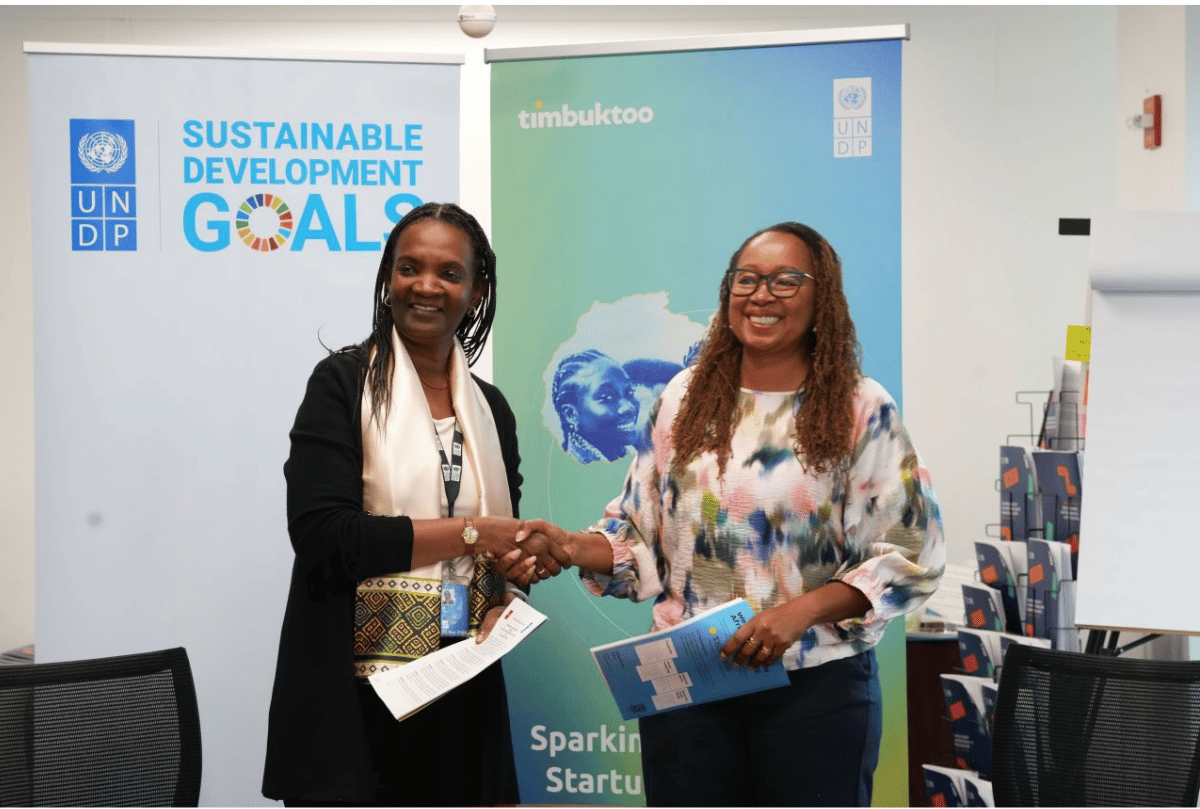
UNDP and GSMA Join Forces to Boost African-Led AI Development and Language Solutions
The UNDP and GSMA have partnered to bolster Africa's AI ecosystem, focusing on developing and deploying African-led AI solutions, particularly those incorporating African…
The dispatch
One email a day. The AI stories shaping Africa.
Rewritten for clarity, sourced always. No spam; unsubscribe anytime.