South Africa's Digital Divide Hinders Inclusive AI Future, Leaving Millions Behind
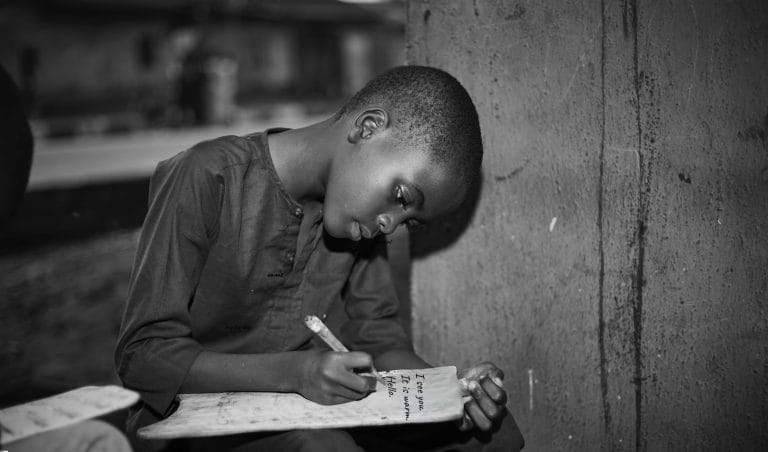
Despite South Africa's relatively high ranking in global AI diffusion reports and a notable increase in generative AI usage among its working-age population, a significant digital divide threatens to exclude millions from the benefits of an AI-driven economy. While the country ranks 46th globally in Microsoft's Q1 2026 AI Diffusion Report, ahead of other African nations, the reality on the ground reveals that the majority of South Africans lack access to the foundational tools needed to participate meaningfully in this technological shift.
The core of the problem lies in low computer ownership and affordability. With the median monthly wage at R5,417 and entry-level computers costing upwards of R6,000, a laptop represents more than a month's salary for half the workforce. This financial barrier means only 16% of adults own a computer, and only 26% of households have one. While mobile internet access is widespread, relying solely on smartphones does not provide the necessary digital literacy for tasks like creating CVs, using spreadsheets, or engaging with AI tools.
The roots of this exclusion extend to the education system. The 2025 Education Facility Management System report indicates that nearly half of South Africa's public schools lack computer centers, leaving over 11,000 schools without essential digital infrastructure. Furthermore, fewer than 10% of math educators have computers in their classrooms, resulting in many learners reaching adulthood or tertiary education without basic computer proficiency. This lack of foundational skills puts them at a severe disadvantage in an increasingly digital and AI-centric job market.
Experts emphasize the critical need for foundational computer and digital literacy to bridge this gap. Tertiary institutions are urged to provide essential digital skills support, including basic proficiency with laptops and desktops, to prepare students for the demands of the modern workplace and the AI economy. Without urgent intervention, and considering that a national survey found 73% of South Africans barely recognize the term "AI," the country risks perpetuating an ever-widening divide, leaving millions in economic and social isolation as AI adoption progresses in more privileged sectors.
Source
More in society

MTN and Microsoft Partner to Upskill Nigerian Teachers in AI-Assisted Education, Targeting Millions of Students
MTN, in partnership with Microsoft, has trained 500 Nigerian teachers in AI-assisted teaching, making them the first in the country to receive such formal training. This…
Kenyan Content Moderators Fight for Rights Against Tech Giants
A key legal battle is unfolding in Kenya as content moderators, including those working on AI platforms like OpenAI, challenge tech giants like Meta over working conditions and…
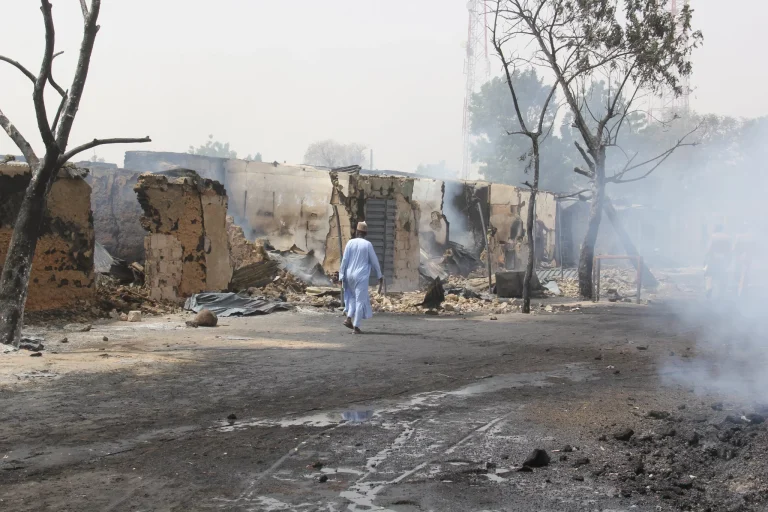
Nigerian Insurgents Using Commercial AI for Tactical Advantage, Fueled by ISIS Support
New research indicates that Nigerian insurgent groups, including ISWAP and Boko Haram, are actively using commercial AI models for tactical and operational purposes, facilitated…

South African AI Legal Chatbot Reveals Workplace Disputes as Top User Concern
My AI Lawyer, a South African AI legal chatbot, has found that workplace disputes are the most common type of query, revealing a significant need for accessible legal information…
The dispatch
One email a day. The AI stories shaping Africa.
Rewritten for clarity, sourced always. No spam; unsubscribe anytime.