Major Initiative Fuels African Language AI Development for Diverse Sectors
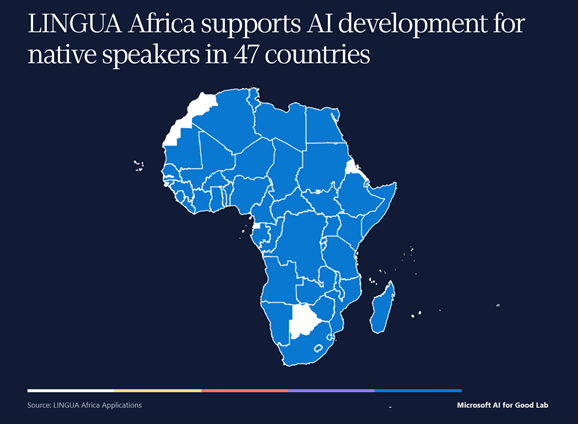
A significant pan-African initiative, LINGUA Africa, has selected 26 projects aimed at bridging the language gap in artificial intelligence for over 50 African languages and dialects. Supported by major players like Microsoft, the Gates Foundation, Google.org, and Masakhane, this program seeks to make AI more accessible and relevant to communities across 47 African countries, impacting over 500 million people. The projects focus on creating essential language data, models, and tools for various applications.
The initiative addresses critical sectors such as healthcare, agriculture, education, and justice. For instance, in healthcare, projects include building a multi-language health layer in Kenya, developing maternal and child health speech datasets in Uganda, and exploring AI-powered telemedicine in Sierra Leone and Rwanda. In agriculture, efforts range from multimodal AI systems for advisory services in multiple languages to voice-first platforms for farmers in Kenya and Malawi, aiming to provide crucial information and support in local languages.
A key challenge being tackled is the scarcity of high-quality digital data for African languages. LINGUA Africa is heavily investing in generating open speech, text, multimodal, and sign-language datasets, alongside developing automatic speech recognition and text-to-speech technologies. This includes projects focused on specific dialects like Hausa, Bantu languages in the Congo Basin, and Tanzanian Sign Language, as well as less digitally represented languages in Ethiopia and Cameroon.
The diverse group of 26 awardees, comprising universities, startups, nonprofits, and community-led initiatives, signals a strategic shift in African AI development. The focus is moving beyond mere adoption of AI technologies to actively building the foundational infrastructure that ensures these technologies are culturally and linguistically relevant to African users. This approach recognizes that AI's true value is unlocked when it can effectively communicate and understand the local contexts it serves, rather than relying solely on globally dominant languages.
Ultimately, LINGUA Africa aims to empower African researchers, startups, and organizations to create practical AI tools that resonate with the continent's linguistic diversity. By making more African-language data openly available and integrating it into applications for essential services, the initiative is laying the groundwork for an inclusive AI future that genuinely benefits communities across Africa.
Source
More in society

MTN and Microsoft Partner to Upskill Nigerian Teachers in AI-Assisted Education, Targeting Millions of Students
MTN, in partnership with Microsoft, has trained 500 Nigerian teachers in AI-assisted teaching, making them the first in the country to receive such formal training. This…
Kenyan Content Moderators Fight for Rights Against Tech Giants
A key legal battle is unfolding in Kenya as content moderators, including those working on AI platforms like OpenAI, challenge tech giants like Meta over working conditions and…

Nigerian Insurgents Using Commercial AI for Tactical Advantage, Fueled by ISIS Support
New research indicates that Nigerian insurgent groups, including ISWAP and Boko Haram, are actively using commercial AI models for tactical and operational purposes, facilitated…

South African AI Legal Chatbot Reveals Workplace Disputes as Top User Concern
My AI Lawyer, a South African AI legal chatbot, has found that workplace disputes are the most common type of query, revealing a significant need for accessible legal information…
The dispatch
One email a day. The AI stories shaping Africa.
Rewritten for clarity, sourced always. No spam; unsubscribe anytime.