South African Creators Hesitate to Disclose AI Use, Citing Trust Concerns Amidst New Disclosure Policies
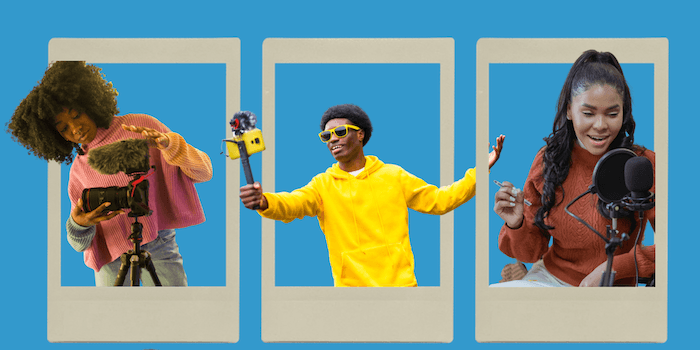
A recent UNESCO-backed study in South Africa reveals that a significant majority of local content creators regularly use generative AI but rarely disclose this to their audiences. The primary reason for this non-disclosure is a fear that admitting AI use would erode audience trust and damage perceptions of their authenticity. This finding highlights a commercial disincentive for creators to be transparent about AI integration in their work.
The study, conducted by the Centre for Analytics and Behavioural Change, surveyed 48 creators and interviewed 11, providing qualitative insights into their practices. It found that nearly 60% of creators use generative AI for tasks like writing captions, generating ideas, editing, and research, yet only a third consistently inform their audiences. This reluctance directly contradicts a recent announcement by the South African government regarding mandatory disclosure of AI-generated content on digital platforms.
Beyond AI disclosure, the research also uncovered a gap between creators' self-assessed media literacy and their actual practices. Many creators prioritize platform algorithms and engagement metrics over their own values, and a substantial number do not consistently verify information before sharing it. The report also highlights widespread online abuse, including gender-based violence and xenophobia, which are particularly prevalent in the South African online environment.
The study concludes by recommending enhanced support structures for creators, including media literacy programs, practical AI ethics guidance, and clearer education on legal rights and responsibilities. It emphasizes that the real risk lies not with creators' intentions, but with the underdeveloped ecosystem surrounding them, which lacks the training and support typically available to traditional journalists. Addressing these systemic gaps is crucial for fostering a more transparent and responsible digital creative landscape in South Africa.
Source
More in society

MTN and Microsoft Partner to Upskill Nigerian Teachers in AI-Assisted Education, Targeting Millions of Students
MTN, in partnership with Microsoft, has trained 500 Nigerian teachers in AI-assisted teaching, making them the first in the country to receive such formal training. This…
Kenyan Content Moderators Fight for Rights Against Tech Giants
A key legal battle is unfolding in Kenya as content moderators, including those working on AI platforms like OpenAI, challenge tech giants like Meta over working conditions and…

Nigerian Insurgents Using Commercial AI for Tactical Advantage, Fueled by ISIS Support
New research indicates that Nigerian insurgent groups, including ISWAP and Boko Haram, are actively using commercial AI models for tactical and operational purposes, facilitated…

South African AI Legal Chatbot Reveals Workplace Disputes as Top User Concern
My AI Lawyer, a South African AI legal chatbot, has found that workplace disputes are the most common type of query, revealing a significant need for accessible legal information…
The dispatch
One email a day. The AI stories shaping Africa.
Rewritten for clarity, sourced always. No spam; unsubscribe anytime.