AI Fuels Sophisticated Tax Scams in South Africa, Kaspersky Warns
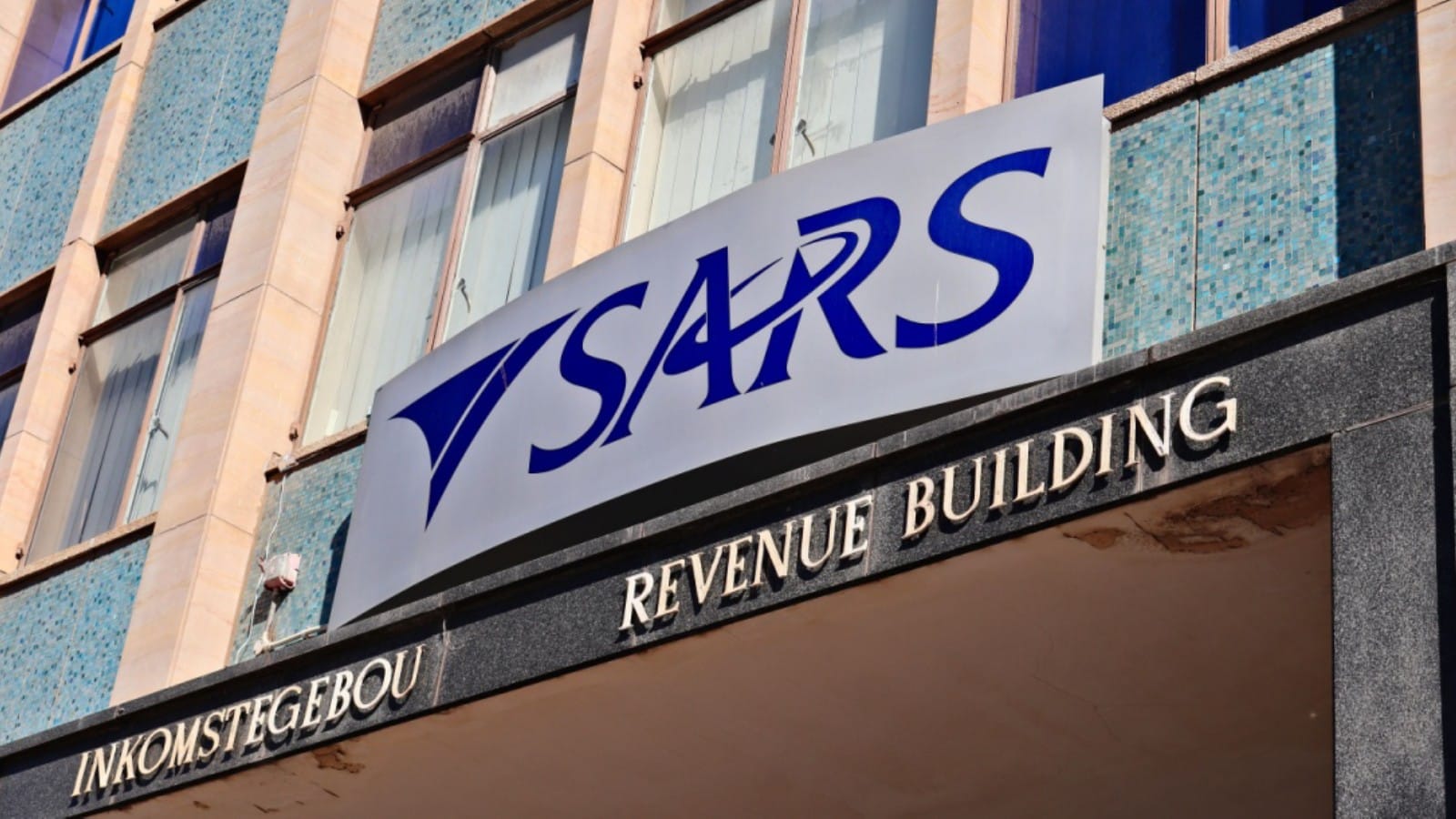
Kaspersky has issued a warning to South African taxpayers about an increase in AI-powered tax scams, particularly as the October 23rd tax filing deadline approaches. Fraudsters are leveraging AI to create highly convincing imitations of official South African Revenue Service (SARS) correspondence and eFiling pages. This technological leap means that traditional red flags like awkward wording or amateur formatting are no longer reliable indicators of a scam, making it harder for individuals to distinguish genuine communications from fraudulent ones.
The scams typically involve emails or SMS messages promising large refunds or threatening legal action for unpaid taxes. These messages contain links that direct victims to fake SARS websites designed to harvest sensitive credentials such as usernames, passwords, and phone numbers. SARS itself had previously highlighted the use of AI by scammers to generate professional-looking email templates, underscoring the growing sophistication of these phishing attempts.
Beyond malicious AI use, Kaspersky also cautioned against using public AI chatbots for tax-related inquiries. While these tools can simplify complex information, uploading personal tax records, identity documents, or banking details to them poses significant privacy and security risks. Previous incidents, such as the public indexing of private conversations from xAI's Grok, demonstrate the potential for sensitive data exposure even on legitimate platforms, emphasizing the need for taxpayers to verify information through official SARS channels and keep confidential data off public AI services.
This trend in South Africa is part of a broader continental pattern, with INTERPOL's African Cyberthreat Assessment Report 2026 indicating that AI-enabled methods account for 55% of reported cybercrime in Africa, leading to a doubling of losses to $484 million. The financial implications are significant, as Boston Consulting Group estimates that agentic AI could reduce the cost of running scams by over 90%, potentially attracting more perpetrators. This makes the ability to discern legitimate communications from fraudulent ones more challenging for the average taxpayer, highlighting the urgent need for heightened awareness and caution.
Source
More in society
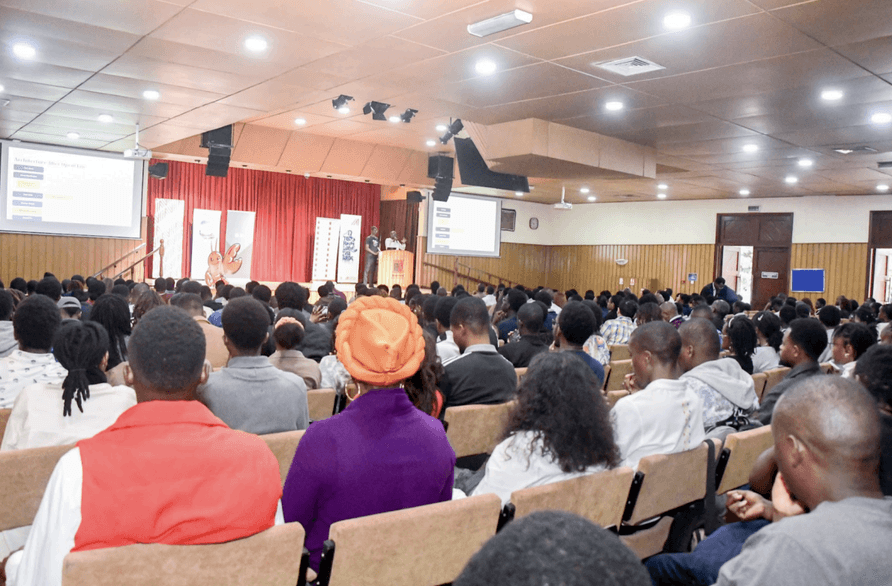
Nairobi Hosts Africa's First Personal AI Conference, Highlighting Local Innovation
ClawCon Nairobi, Africa's first community-led personal AI conference, saw over 400 attendees, indicating a strong and growing interest in locally adaptable AI solutions. The event…

African AI Film Festival to Showcase Continent's Creative Talent in AI-Powered Cinema
The African AI Film Festival 2026 will provide a global stage for African and African-diaspora filmmakers to showcase cinema reimagined with artificial intelligence. It aims to…

AI-Powered Image Analysis Supports Sodium Regulation in South African Packaged Foods
This study from South Africa introduces an AI-powered workflow designed to screen packaged foods for compliance with national sodium regulations (R214). By using image analysis…

Tailoring AI for Africa: A Focus on Local Priorities, Language, and Data
This piece strongly argues that AI for Africa must prioritize local needs, leveraging diverse data beyond language, while also addressing the continent's rich linguistic…
The dispatch
One email a day. The AI stories shaping Africa.
Rewritten for clarity, sourced always. No spam; unsubscribe anytime.