AI Fuels Surge in Cybercrime, Threatening Kenya's Digital Economy

Kenya's rapidly expanding digital economy, encompassing mobile money, fintech, and e-commerce, faces an escalating threat from cybercrime. This digital transformation, while offering immense opportunities, has significantly broadened the attack surface for malicious actors. The country's deep reliance on digital systems makes it particularly vulnerable to sophisticated cyberattacks.
The challenge is compounded by the increasing use of artificial intelligence by cybercriminals. According to INTERPOL's African Cyberthreat Assessment Report 2026, AI is implicated in 55% of reported cybercrimes across Africa, enabling faster, more scalable, and harder-to-detect attacks. Criminals are leveraging AI for automated phishing, deepfakes for identity fraud, synthetic identities for financial crimes, and techniques to bypass traditional security measures.
For Kenya, where social engineering is potent in its highly connected environment, AI-powered attacks pose a significant risk to human trust and financial systems. The focus of cybersecurity has shifted from merely protecting computers to safeguarding identities, payments, data, cloud infrastructure, and the trust underpinning digital commerce. Local research highlights substantial financial losses from cybercrime, with payment fraud being a major concern, and a growing gap between digital adoption speed and cybersecurity maturity.
The regional context is also critical, as INTERPOL identifies East Africa as a hub for mobile-money fraud and ransomware. Kenya experienced a 327% surge in SIM-swap fraud in 2025, resulting in millions of dollars drained from mobile wallets. This underscores the need for comprehensive cybersecurity strategies that extend beyond traditional IT protection to cover mobile applications, financial accounts, and telecommunications infrastructure, safeguarding Kenya's economic stability.
Source
More in society

Sama's Kenyan Layoffs Highlight Fragility of AI Data Labeling Jobs in Africa
The mass layoffs of over 1,100 Sama staff in Nairobi, Kenya, after Meta terminated its content moderation contract, expose the vulnerabilities of Africa's AI data labeling sector.…

Zambia Launches AI-Powered Platform to Bridge Skills Gap in Vocational Training
Zambia's Ministry of Technology and Science is piloting Njila.ai, an AI-powered career guidance platform aimed at linking vocational training with job market needs. This…

AI-Powered Cyber Threats Soar in Kenya, Endangering Small Businesses and the Economy
Kenya's small businesses face escalating AI-powered cyber threats, with 11.12 billion threat events recorded last year. This surge endangers the 98% of Kenyan businesses that are…
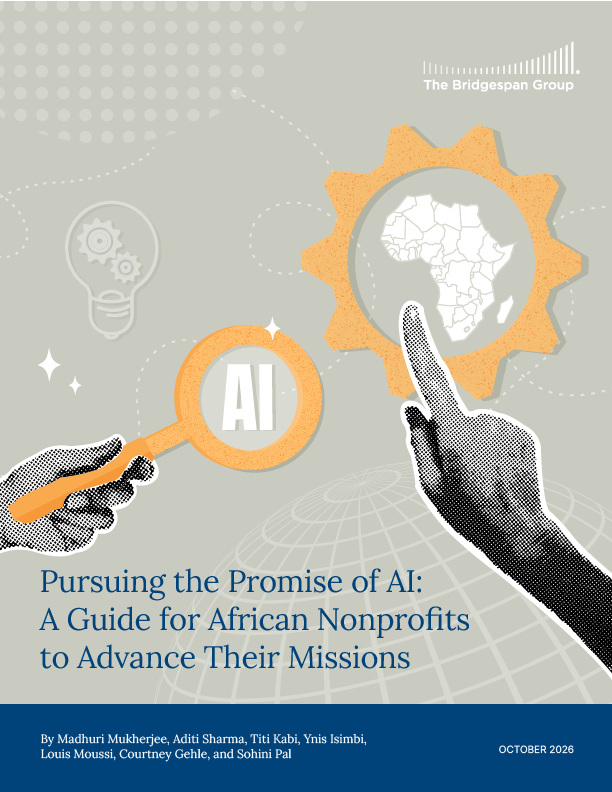
New Guide Helps African Nonprofits Strategically Adopt AI for Social Impact
A new report from The Bridgespan Group provides a practical guide for African nonprofits on how to responsibly and effectively integrate artificial intelligence into their…
The dispatch
One email a day. The AI stories shaping Africa.
Rewritten for clarity, sourced always. No spam; unsubscribe anytime.