African Educators Emphasize Delivery Over Curriculum in AI Integration
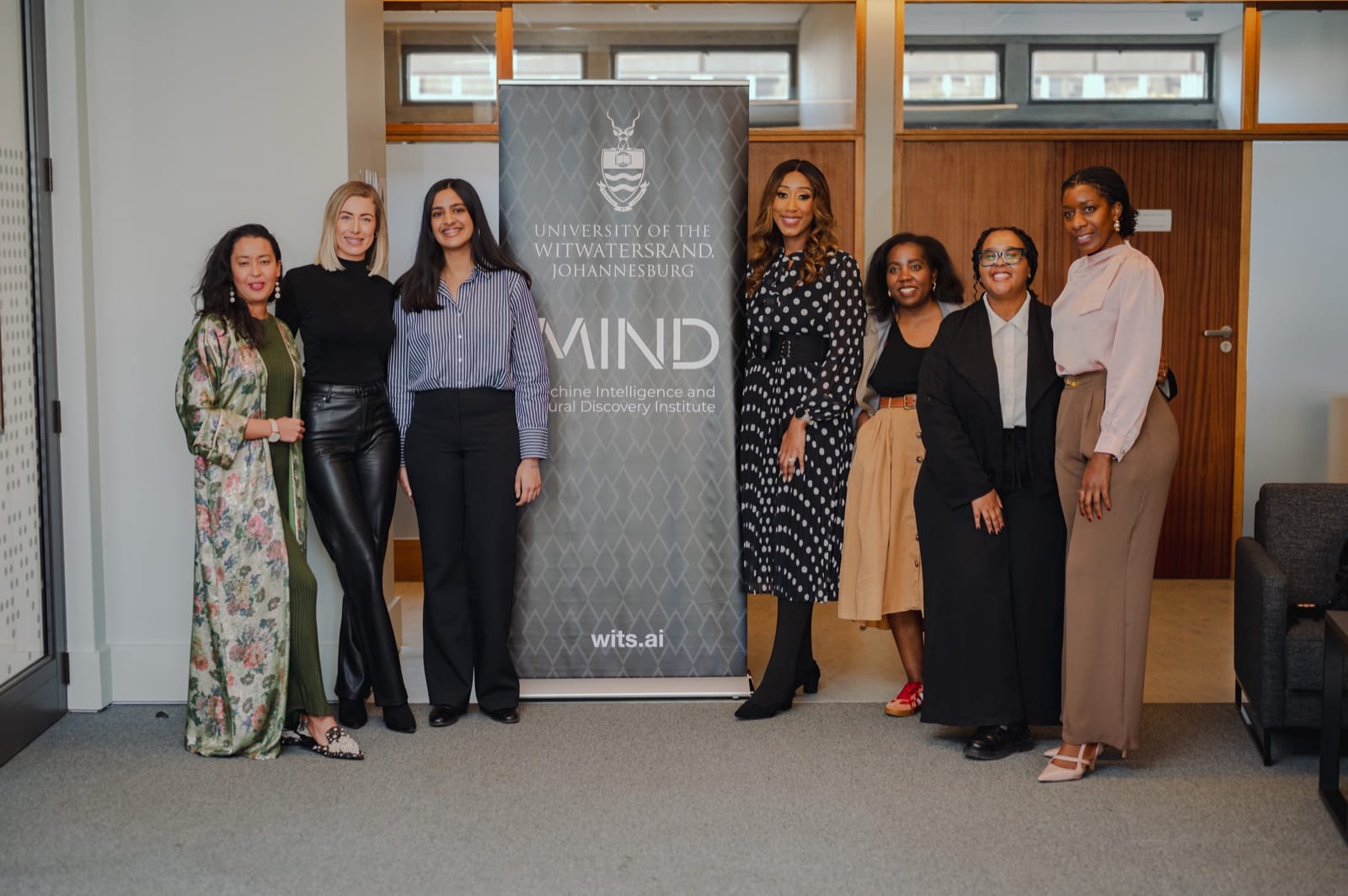
A recent roundtable at the University of the Witwatersrand in Johannesburg, hosted by AITHOS and the Wits Machine Intelligence and Neural Discovery Institute, critically examined the role of AI in African classrooms. Kume Luvhani of Vaxowave argued that the primary challenge isn't curriculum design, which is often world-class, but rather the effective delivery of education. He highlighted that AI, without proper infrastructure, affordability, capability, safety, and ongoing support, risks exacerbating existing educational inequalities rather than leveling the playing field.
Luvhani's perspective challenges the prevailing discourse in South African universities, which has largely focused on AI detection tools and academic integrity. He contends that these are secondary concerns for systems lacking fundamental connectivity, trained staff, and essential resources. This reframing aligns AI in education with broader digital inclusion issues across Africa, where the technical model is often less problematic than its practical implementation and accessibility.
The discussion also featured Aashna Jain, the 17-year-old founder of AITHOS, who stressed the importance of including young people in AI governance decisions, as they will live with the long-term consequences. Lourita Meredith of DemandAI reinforced the idea that technology alone is insufficient, advocating for equipping educators with the necessary skills. This echoes UNESCO's AI competency framework for teachers in Egypt, which prioritizes teacher capability as a prerequisite for effective classroom AI integration.
The roundtable explored themes such as AI in future skills, equitable access, student readiness, and responsible governance. It also connected to broader continental efforts, like the ATLAS Umoja AI initiative, which aims to develop AI models supporting African languages, addressing the significant gap where less than 2% of African languages are adequately supported by modern AI platforms. This underscores the need for localized and context-aware approaches to AI deployment in Africa.
Source
More in society

MTN and Microsoft Partner to Upskill Nigerian Teachers in AI-Assisted Education, Targeting Millions of Students
MTN, in partnership with Microsoft, has trained 500 Nigerian teachers in AI-assisted teaching, making them the first in the country to receive such formal training. This…
Kenyan Content Moderators Fight for Rights Against Tech Giants
A key legal battle is unfolding in Kenya as content moderators, including those working on AI platforms like OpenAI, challenge tech giants like Meta over working conditions and…

Nigerian Insurgents Using Commercial AI for Tactical Advantage, Fueled by ISIS Support
New research indicates that Nigerian insurgent groups, including ISWAP and Boko Haram, are actively using commercial AI models for tactical and operational purposes, facilitated…

South African AI Legal Chatbot Reveals Workplace Disputes as Top User Concern
My AI Lawyer, a South African AI legal chatbot, has found that workplace disputes are the most common type of query, revealing a significant need for accessible legal information…
The dispatch
One email a day. The AI stories shaping Africa.
Rewritten for clarity, sourced always. No spam; unsubscribe anytime.