Sub-Saharan African University Develops AI Model to Predict Student Failure in Early Computer Science Courses

Researchers at a major public university in sub-Saharan Africa have developed an early warning system using AI to predict which first-year computer science students are at risk of failing. The system analyzes digital markers from learning platforms, demographic information, and academic performance data to identify struggling students by the fifth week of the semester, allowing for timely intervention.
The study utilized data from 284 students across four cohorts between 2017 and 2021. Through a mixed-methods approach and stakeholder input, ten potential predictive factors were identified, including demographics, self-reported surveys, Moodle interaction logs, and continuous assessment scores. A systematic analysis revealed that weighted academic momentum, basic demographics (gender, sponsorship, COVID-19 cohort), and any learning management system (LMS) activity were the most significant predictors.
The logistic regression model achieved an accuracy of 74.7% and, crucially, identified 87% of failing students on a held-out test set. While the false positive rate was 41%, the high recall means that most students needing support can be identified. SHAP analysis confirmed that academic momentum was the strongest predictor, highlighting its importance in student success.
This research offers a practical, interpretable model that is ready for deployment. Its contributions include a unique multi-source dataset, a stakeholder-guided methodology, and an ablation study that quantifies the impact of different feature groups. The ability to identify at-risk students early can significantly improve retention and success rates in critical STEM fields.
Source
More in society

Sama's Kenyan Layoffs Highlight Fragility of AI Data Labeling Jobs in Africa
The mass layoffs of over 1,100 Sama staff in Nairobi, Kenya, after Meta terminated its content moderation contract, expose the vulnerabilities of Africa's AI data labeling sector.…

Zambia Launches AI-Powered Platform to Bridge Skills Gap in Vocational Training
Zambia's Ministry of Technology and Science is piloting Njila.ai, an AI-powered career guidance platform aimed at linking vocational training with job market needs. This…
AI-Powered Cyber Threats Soar in Kenya, Endangering Small Businesses and the Economy
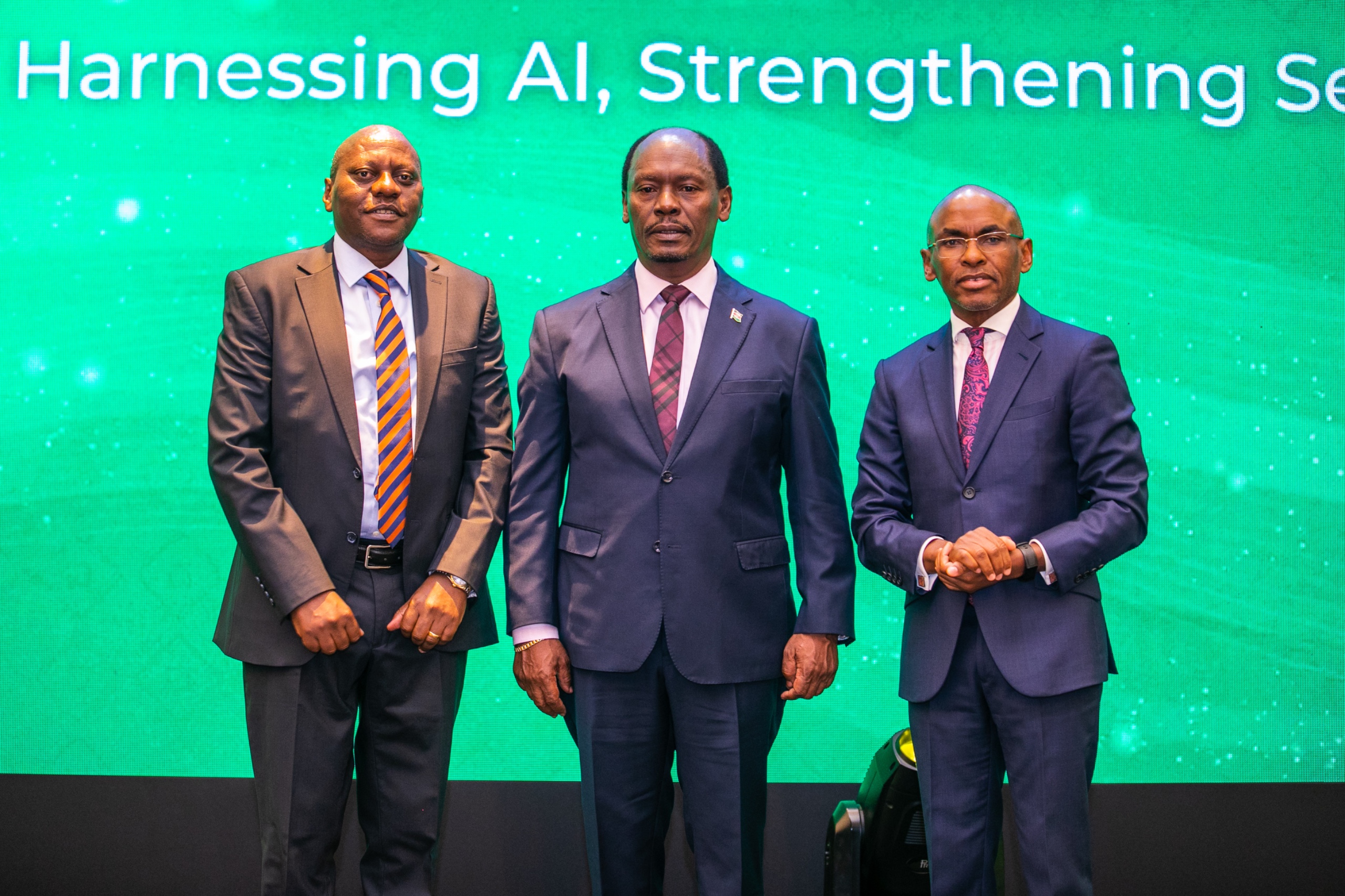
Kenya's small businesses face escalating AI-powered cyber threats, with 11.12 billion threat events recorded last year. This surge endangers the 98% of Kenyan businesses that are…
New Guide Helps African Nonprofits Strategically Adopt AI for Social Impact
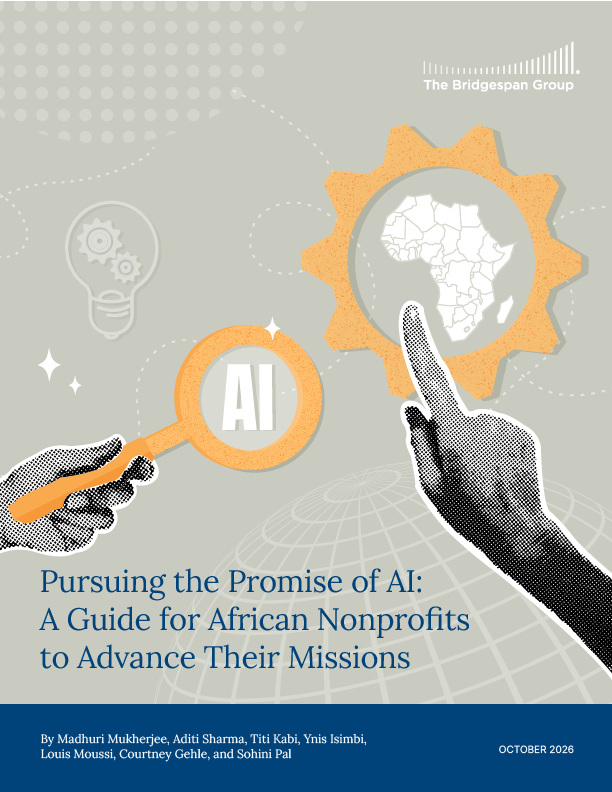
A new report from The Bridgespan Group provides a practical guide for African nonprofits on how to responsibly and effectively integrate artificial intelligence into their…
The dispatch
One email a day. The AI stories shaping Africa.
Rewritten for clarity, sourced always. No spam; unsubscribe anytime.