Morocco and UNDP Launch Women's Leadership Academy to Bridge Digital and AI Gender Gap
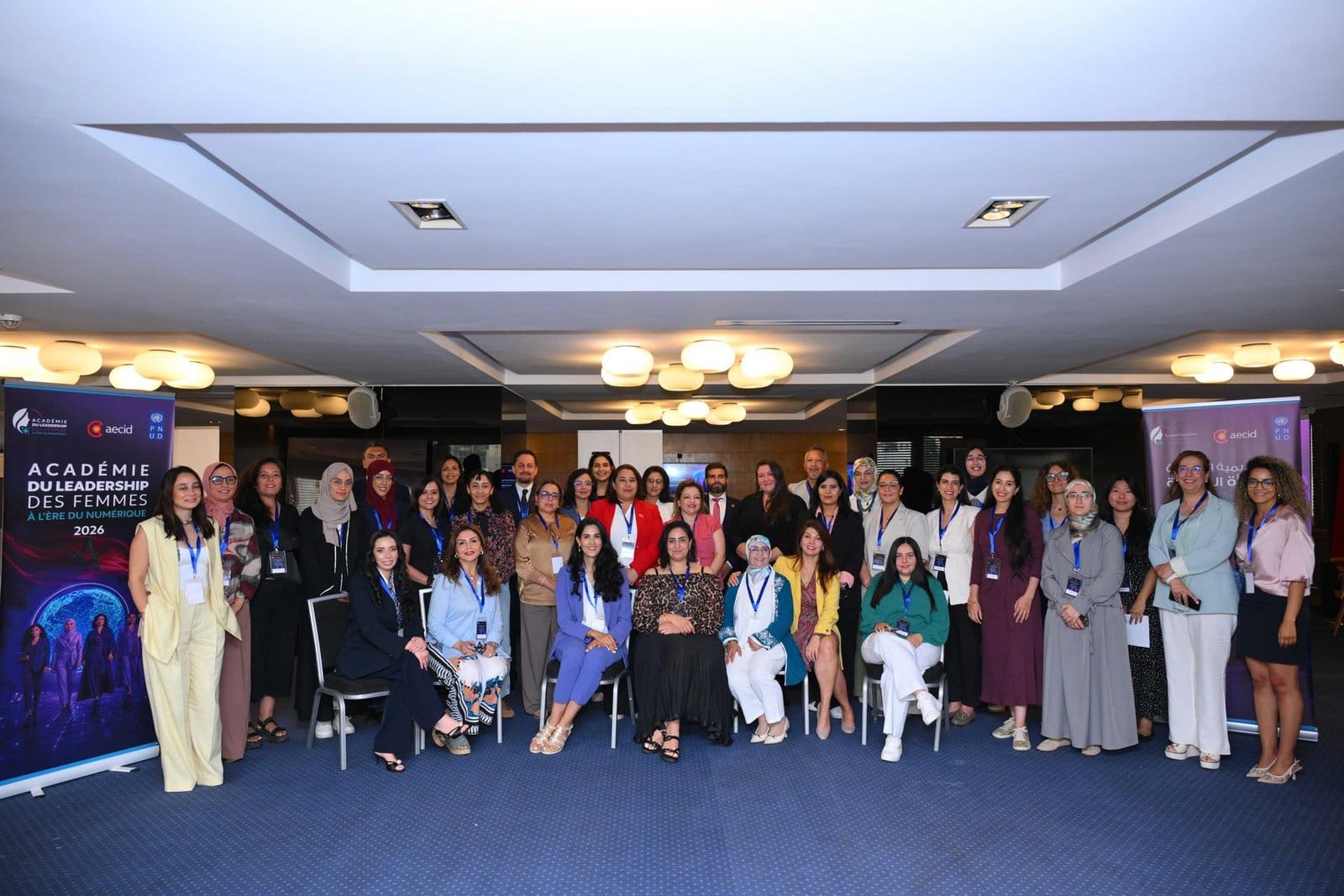
Morocco, in collaboration with the United Nations Development Programme (UNDP), has announced the establishment of a new Women's Leadership Academy for the Digital Era. This initiative is a strategic component of Morocco's broader commitment to address the significant gender disparity in senior roles across technology, public administration, and executive positions within the country.
The Academy's core mission is to equip aspiring women leaders with essential digital, innovation, and leadership competencies. A key focus is to prepare participants to effectively guide both public and private sector organizations through the rapid transformations brought about by technological advancements, including artificial intelligence. While the initial announcement did not detail specifics such as cohort size, launch dates, or curriculum structure, it signals a clear intent to foster a new generation of female digital leaders.
This partnership with the UNDP integrates seamlessly into Morocco's expanding digital inclusion agenda, which has seen several initiatives launched over the past year. It also aligns with the Kingdom's ambitious "AI Made in Morocco" national AI strategy, slated to run until 2030. This strategy includes international collaborations, such as participation in the European AI Factories initiative, and the development of local AI ecosystems and digital hubs.
The initiative addresses a critical need across the African continent, where women remain largely under-represented in senior technology, public administration, and executive roles. The UNDP emphasizes that increasing women's participation in these strategic sectors is vital for achieving the Sustainable Development Goals. By actively pursuing this agenda, Morocco is positioning itself as a leader in integrating gender inclusion into its digital economy and AI development.
The long-term success of the Leadership Academy in creating a sustainable pipeline of women into senior digital and AI decision-making roles will depend on the practical implementation details, including selection criteria, curriculum depth, and the career placement outcomes for its graduates. Its impact will be measured by its ability to genuinely feed into both public-sector appointments and private-sector career advancement within Morocco and potentially beyond.
Source
More in society

Sama's Kenyan Layoffs Highlight Fragility of AI Data Labeling Jobs in Africa
The mass layoffs of over 1,100 Sama staff in Nairobi, Kenya, after Meta terminated its content moderation contract, expose the vulnerabilities of Africa's AI data labeling sector.…
Zambia Launches AI-Powered Platform to Bridge Skills Gap in Vocational Training
Zambia's Ministry of Technology and Science is piloting Njila.ai, an AI-powered career guidance platform aimed at linking vocational training with job market needs. This…
AI-Powered Cyber Threats Soar in Kenya, Endangering Small Businesses and the Economy
Kenya's small businesses face escalating AI-powered cyber threats, with 11.12 billion threat events recorded last year. This surge endangers the 98% of Kenyan businesses that are…
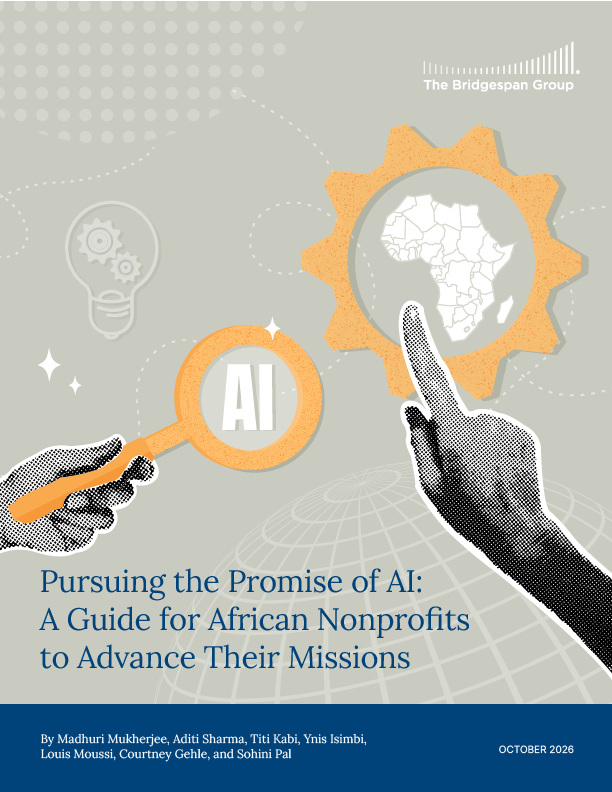
New Guide Helps African Nonprofits Strategically Adopt AI for Social Impact
A new report from The Bridgespan Group provides a practical guide for African nonprofits on how to responsibly and effectively integrate artificial intelligence into their…
The dispatch
One email a day. The AI stories shaping Africa.
Rewritten for clarity, sourced always. No spam; unsubscribe anytime.