African Countries Harness AI and Advanced Technology to Counter Surging Kidnapping Threats
Across Africa, nations are increasingly grappling with a severe kidnapping crisis, a challenge that has historically seen rescue efforts evolve with the available technology. From ancient intelligence networks to modern digital tools, the methods for retrieving captives have always mirrored the era's technological advancements. Today, as kidnappers leverage the internet for communication, negotiation, and propaganda, African countries are compelled to adopt sophisticated countermeasures.
This modern "ransom economy" is particularly acute in Nigeria and South Africa, identified as global epicenters for abductions. The article highlights a significant technology gap, with many African defense and law enforcement agencies operating with limited access to satellite technology, aging military equipment, and underfunded intelligence units. Despite these challenges, there's a growing recognition of the potential for advanced tools like satellite imagery, signal intelligence, armed drones, and crucially, artificial intelligence, to amplify defense capabilities.
Several African nations are beginning to deploy these cutting-edge solutions. In Kenya, a partnership between Meta and the government has enabled automated AMBER Alerts on social media, successfully aiding in the rescue of over 1,200 children. Nigeria is also making strides, with the Minister of Communications, Innovation and Digital Economy announcing plans to install 5,000 AI-powered cameras in Plateau State to enhance security. Additionally, the Edo State Police Command has effectively used high-tech drones to locate kidnappers' forest camps, enabling successful rescue operations.
Despite the urgent need, the defense startup ecosystem in Africa remains underdeveloped, with only a handful of companies operating in a sector critical for national security. While technology can act as a force multiplier in rescue efforts, the article also acknowledges that it cannot solely solve deeper systemic issues such as porous borders, inadequate rural development, and infrastructure deficits. Nevertheless, the strategic integration of AI and other advanced technologies represents a crucial step in strengthening Africa's capacity to protect its citizens from abduction.
Source
More in society

MTN and Microsoft Partner to Upskill Nigerian Teachers in AI-Assisted Education, Targeting Millions of Students
MTN, in partnership with Microsoft, has trained 500 Nigerian teachers in AI-assisted teaching, making them the first in the country to receive such formal training. This…
Kenyan Content Moderators Fight for Rights Against Tech Giants
A key legal battle is unfolding in Kenya as content moderators, including those working on AI platforms like OpenAI, challenge tech giants like Meta over working conditions and…
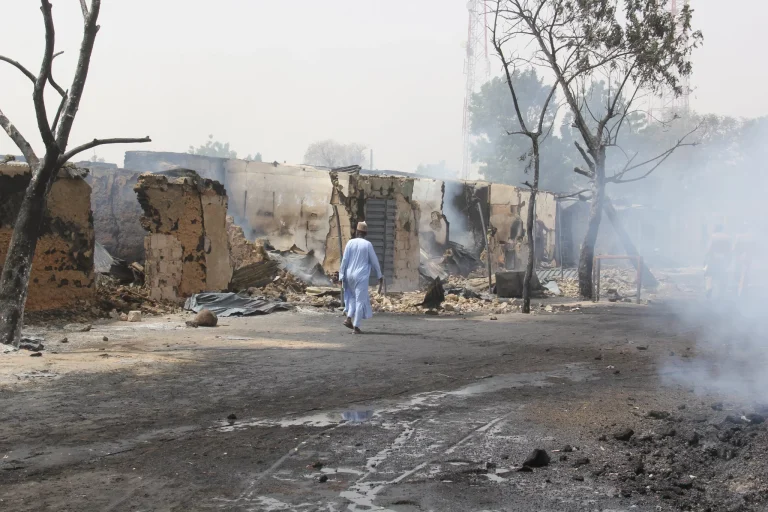
Nigerian Insurgents Using Commercial AI for Tactical Advantage, Fueled by ISIS Support
New research indicates that Nigerian insurgent groups, including ISWAP and Boko Haram, are actively using commercial AI models for tactical and operational purposes, facilitated…

South African AI Legal Chatbot Reveals Workplace Disputes as Top User Concern
My AI Lawyer, a South African AI legal chatbot, has found that workplace disputes are the most common type of query, revealing a significant need for accessible legal information…
The dispatch
One email a day. The AI stories shaping Africa.
Rewritten for clarity, sourced always. No spam; unsubscribe anytime.