AI-Powered Image Analysis Supports Sodium Regulation in South African Packaged Foods

Researchers in South Africa have developed an AI-driven workflow to monitor sodium content in packaged foods, ensuring compliance with the country's R214 sodium limits. This system uses optical character recognition (OCR) and object detection to extract critical information from food package images, including product identity and nutrition facts, then assigns products to specific R214 categories for assessment. The goal is to automate the screening process and identify products that may exceed regulated sodium levels.
The workflow employs a YOLO26s detector to identify relevant regions on food packaging and a vision language model (Qwen2.5-VL 7B) for independent verification. It processes thousands of images from a real-world South African dataset, classifying products into categories like 'OUTSIDE R214 SCOPE', 'REVIEW', 'SCREEN-PASS', and 'SCREEN-FAIL'. This method prioritizes caution, flagging uncertain cases for human review rather than making definitive but potentially incorrect automated decisions.
Evaluation on 442 products showed high agreement between the automated workflows in assigning R214 categories, with a 93.9% match. While final screening outcome agreement was 69.5%, manual verification confirmed that both AI systems effectively identified cases with insufficient data, preventing them from being falsely passed or failed. This demonstrates the potential for AI to streamline regulatory compliance in the food industry, supporting public health initiatives.
Source
More in society
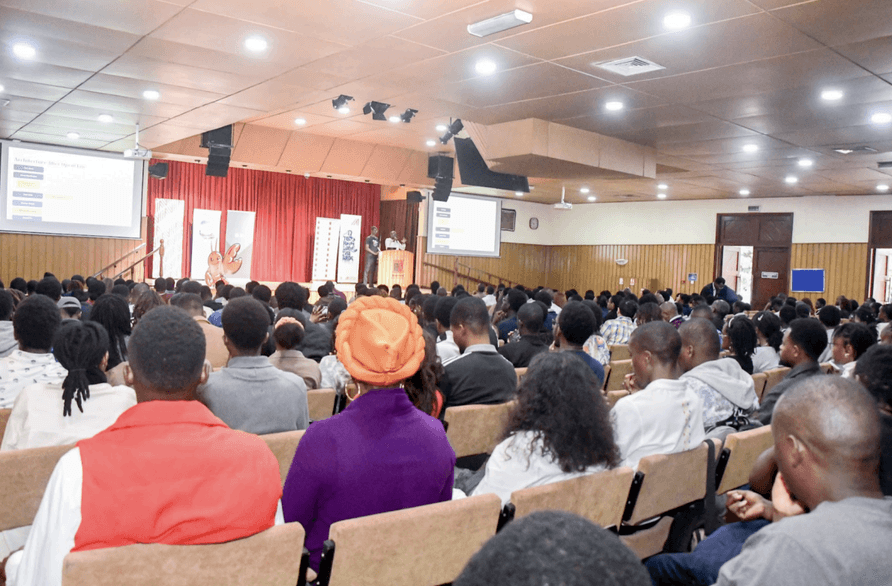
Nairobi Hosts Africa's First Personal AI Conference, Highlighting Local Innovation
ClawCon Nairobi, Africa's first community-led personal AI conference, saw over 400 attendees, indicating a strong and growing interest in locally adaptable AI solutions. The event…

African AI Film Festival to Showcase Continent's Creative Talent in AI-Powered Cinema
The African AI Film Festival 2026 will provide a global stage for African and African-diaspora filmmakers to showcase cinema reimagined with artificial intelligence. It aims to…

Tailoring AI for Africa: A Focus on Local Priorities, Language, and Data
This piece strongly argues that AI for Africa must prioritize local needs, leveraging diverse data beyond language, while also addressing the continent's rich linguistic…

MTN and Microsoft Partner to Upskill Nigerian Teachers in AI-Assisted Education, Targeting Millions of Students
MTN, in partnership with Microsoft, has trained 500 Nigerian teachers in AI-assisted teaching, making them the first in the country to receive such formal training. This…
The dispatch
One email a day. The AI stories shaping Africa.
Rewritten for clarity, sourced always. No spam; unsubscribe anytime.