Ugandan Music Scene Grapples with AI's Creative Potential and Copyright Complexities
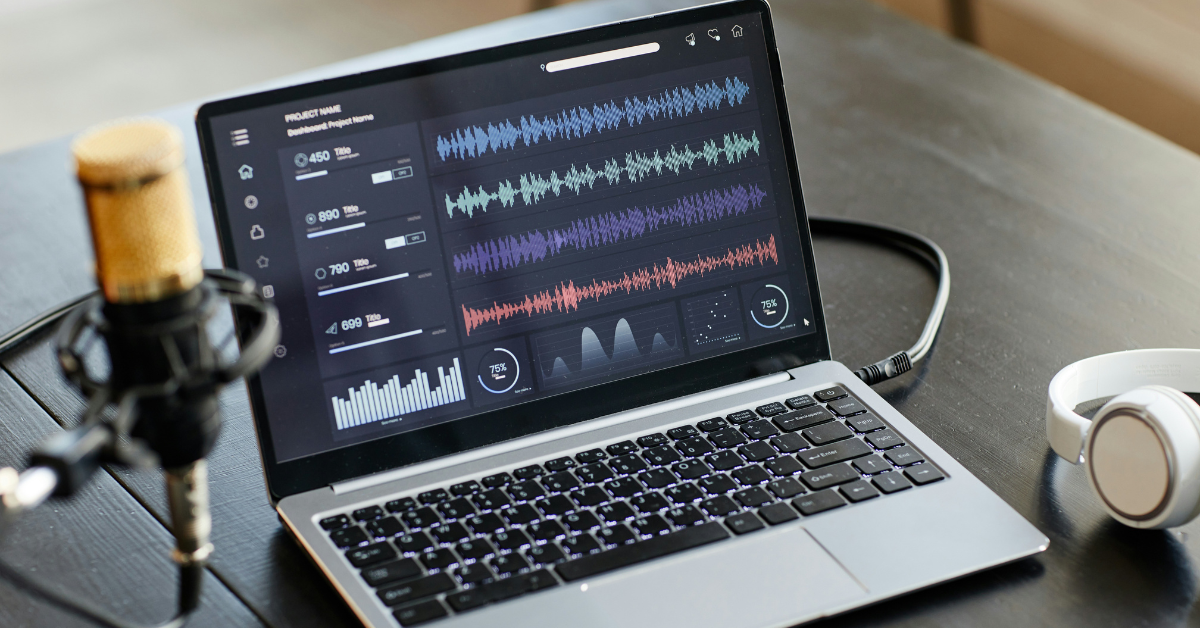
AI is rapidly transforming music production within Kampala's studios, providing Ugandan artists and producers with tools to write lyrics, compose melodies, and polish tracks with unprecedented speed and cost efficiency. This technological shift is democratizing access to professional-grade output for many who previously couldn't afford it, marking a significant change in the local music industry landscape.
While enthusiastic about the enhanced productivity, artists like Benon Mugumbya highlight a crucial artistic tension. Mugumbya, a musician and producer, notes that AI-generated music, despite its technical perfection, often lacks the "soul" and unique imperfections that define human artistry. He advocates for AI as an augmentation tool, helping artists extend their existing creative vision rather than fully replacing human input.
This integration of AI has intensified debates within Uganda's music sector, particularly regarding copyright and intellectual property. Lawyer Hamza Ssekamate points out that while artists possess moral and economic rights over their content, current legal frameworks are struggling to keep pace with AI's advanced capabilities, such as voice cloning and style imitation. He stresses the urgent need for updated legislation to address grey areas like ownership of AI-generated works and the licensing of data used for training, ensuring artists can protect and monetize their creations.
The Ugandan experience mirrors broader discussions across the African continent. Initiatives like the AI & African Music project, involving institutions in South Africa and Ghana, are actively developing AI tools tailored for African languages and tonal systems, exemplified by platforms like Zazi. Concurrently, Uganda is bolstering its AI infrastructure with projects like the Aeonian supercomputer facility and significant investments from companies like Cassava Technologies, raising questions about how this increased compute capacity will ultimately serve the creative industries.
The dynamic in Kampala's studios encapsulates the ongoing challenge of harnessing AI's benefits while safeguarding human creativity and legal rights. As AI continues to evolve, the critical policy question for Uganda, as articulated by Ssekamate, is how quickly its legal framework can adapt to protect artists, especially those whose voices or styles might be replicated without their consent, thereby ensuring a fair and sustainable future for the nation's music industry.
Source
More in society

MTN and Microsoft Partner to Upskill Nigerian Teachers in AI-Assisted Education, Targeting Millions of Students
MTN, in partnership with Microsoft, has trained 500 Nigerian teachers in AI-assisted teaching, making them the first in the country to receive such formal training. This…
Kenyan Content Moderators Fight for Rights Against Tech Giants
A key legal battle is unfolding in Kenya as content moderators, including those working on AI platforms like OpenAI, challenge tech giants like Meta over working conditions and…

Nigerian Insurgents Using Commercial AI for Tactical Advantage, Fueled by ISIS Support
New research indicates that Nigerian insurgent groups, including ISWAP and Boko Haram, are actively using commercial AI models for tactical and operational purposes, facilitated…

South African AI Legal Chatbot Reveals Workplace Disputes as Top User Concern
My AI Lawyer, a South African AI legal chatbot, has found that workplace disputes are the most common type of query, revealing a significant need for accessible legal information…
The dispatch
One email a day. The AI stories shaping Africa.
Rewritten for clarity, sourced always. No spam; unsubscribe anytime.