African Leaders Champion Inclusive AI Governance on Global Stage
Rwanda's President Paul Kagame has been appointed co-chair of the newly established AI for Good Global Commission, a significant development highlighting Africa's proactive ambition to influence the trajectory of global artificial intelligence policy. This international body, co-chaired by Salesforce CEO Marc Benioff, is designed to foster collaboration among governments, corporations, and multilateral institutions to ensure equitable access to AI and address the persistent global digital divide. The commission's formation underscores a continental shift towards actively shaping, rather than merely adapting to, technological advancements.
The commission's inaugural meeting is slated for July 7-10 at the ITU AI for Good Global Summit in Geneva, forming a key part of Digital Week. This forum will also host crucial discussions on UN-mandated AI governance and the WSIS Forum 2026. The body's core mandate revolves around bridging the digital chasm, with the ITU estimating that approximately 2.2 billion people worldwide currently lack internet access, effectively excluding them from AI-driven economic opportunities.
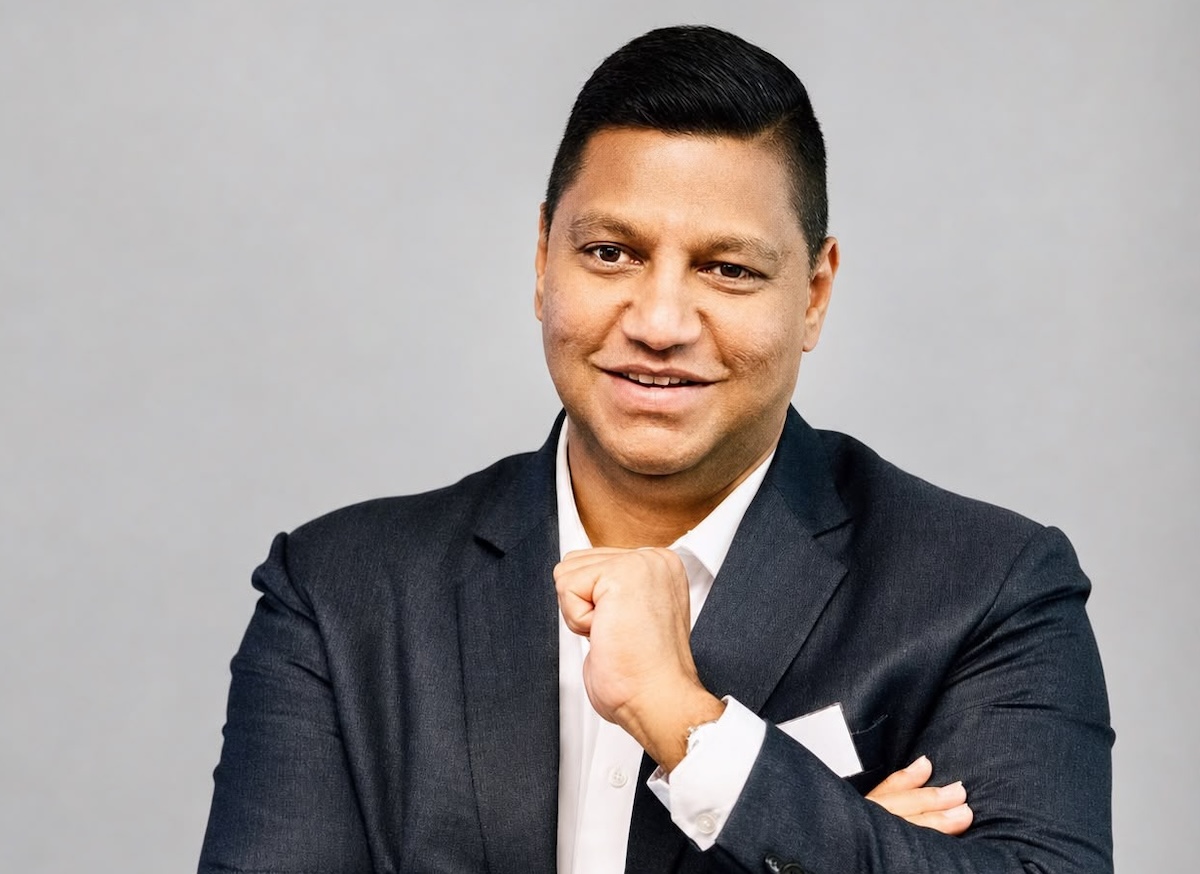
African leaders are urged to approach these global discussions with a clear and bold agenda focused on expanding prosperity through AI. Sunil Geness, SAP's Africa director of government affairs, outlined key priorities including access to compute resources, investment in skills development, establishment of trusted data systems, promotion of open standards, support for local-language innovation, accountable public procurement, and regulatory frameworks that protect citizens without stifling entrepreneurial spirit.
Geness further stressed the importance of translating the African Union's Continental AI Strategy from a policy document into tangible national roadmaps and investment pipelines. He called for the 54 African nations to consolidate their positions before engaging in multilateral negotiations, ensuring a unified and impactful voice. This collective leadership, as emphasized by ITU Secretary-General Doreen Bogdan-Martin, is crucial to realizing AI's potential benefits for everyone, everywhere.
President Kagame framed the promise of technology as an obligation, asserting humanity's responsibility to harness it for good. Similarly, Benioff connected the economic potential of AI directly to public trust, underscoring that confidence in the technology is fundamental for its widespread adoption and commercial success. Africa's prominent role in this commission positions the continent to advocate for an AI future that is inclusive, ethical, and economically empowering for its diverse populations.
Source
More in policy
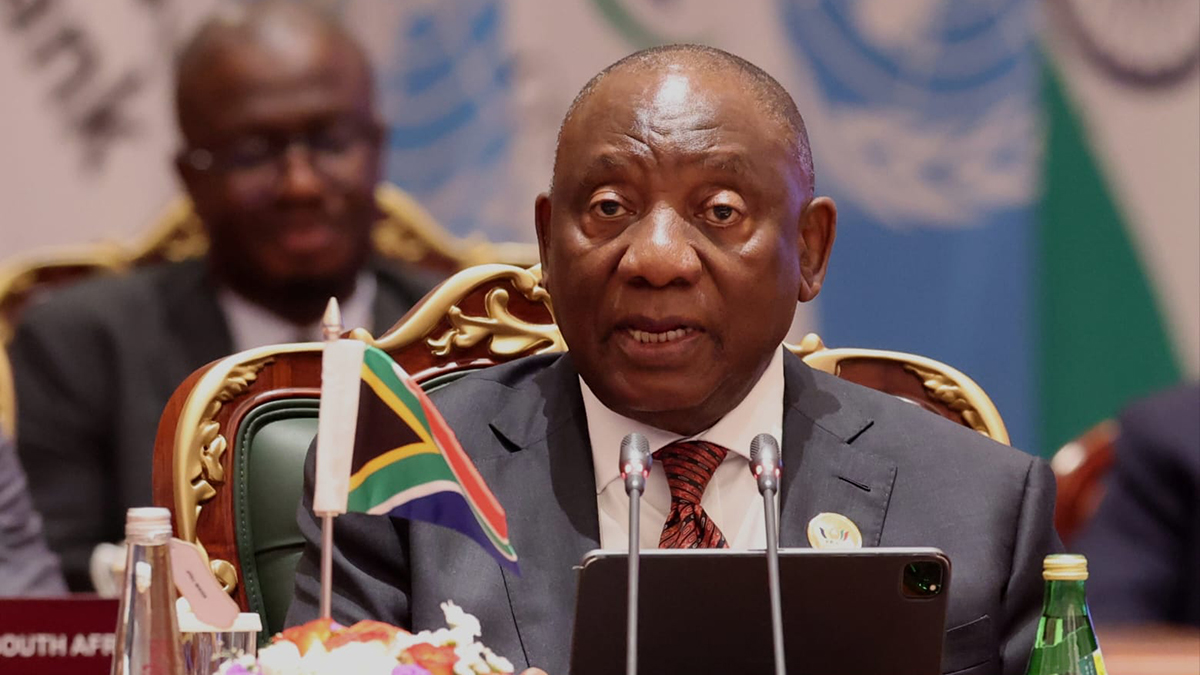
South Africa Leads BRICS Call for Global AI Governance and Independent Evaluation
South Africa, through President Cyril Ramaphosa, is advocating for a robust international framework for AI governance within the BRICS bloc, including independent scientific…
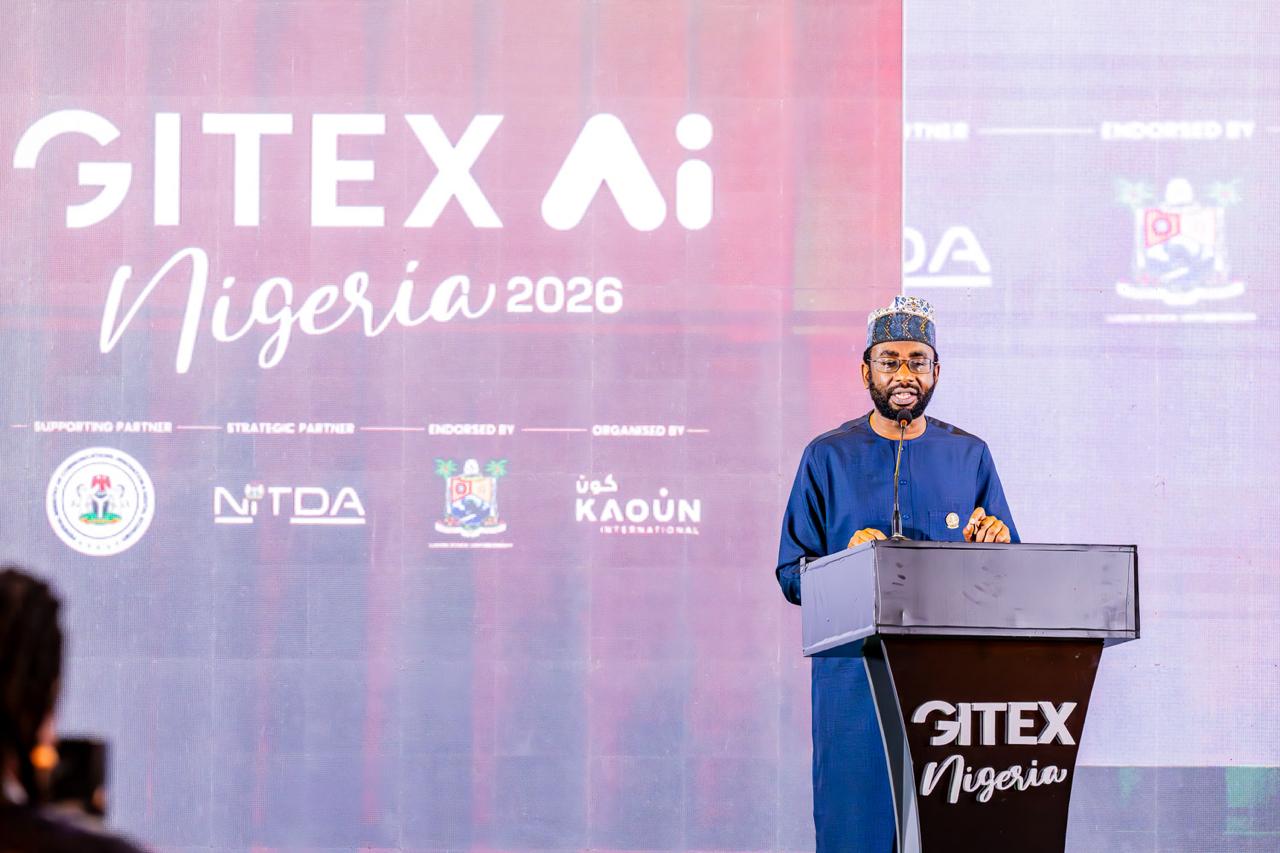
GITEX Nigeria Emphasizes Sovereign AI and Digital Transformation for a $1 Trillion Economy
GITEX Nigeria, a major tech and AI event, has launched in Abuja with a strong focus on advancing the nation's digital transformation and sovereign AI ambitions. Nigerian leaders…

Kenyan Political Operative Used Anthropic's Claude for AI-Generated Election Propaganda
A Kenyan political operative leveraged Anthropic's Claude AI to mass-produce social media propaganda ahead of the 2027 general election, praising government figures and targeting…

Anthropic Uncovers AI-Powered Political Influence Campaign in Kenya
A report by Anthropic details an AI-driven political influence operation in Kenya that used the Claude model to generate social media posts supporting the government and attacking…
The dispatch
One email a day. The AI stories shaping Africa.
Rewritten for clarity, sourced always. No spam; unsubscribe anytime.