Kenya's Senate Debates Pioneering AI Bill to Establish Dedicated Regulator and Risk-Based Framework

Kenya's Senate is currently reviewing a groundbreaking Artificial Intelligence Bill, 2026, which aims to establish the nation's first comprehensive legal framework for AI governance. Sponsored by Senator Karen Nyamu, the proposed legislation seeks to create an independent Office of the Artificial Intelligence Commissioner. This new body would be empowered to inspect, audit, and impose penalties on AI systems operating within Kenya, signaling a proactive approach to managing the burgeoning AI landscape.
The bill adopts a risk-based classification system, mirroring the European Union's AI Act, categorizing AI systems into unacceptable, high, limited, or minimal risk. High-risk applications, spanning critical sectors like healthcare, education, agriculture, finance, and public administration, would face stringent requirements. These include mandatory human rights impact assessments, algorithmic transparency, and a five-year data retention policy, ensuring accountability and ethical deployment of AI technologies.
The proposed Commissioner would oversee a public register of high-risk AI systems, facilitate regulatory sandboxes for innovation, and possess significant authority to inspect AI operations. Violations of the bill's ethical guidelines or the unlawful distribution of deepfakes could lead to fines up to 1 million Kenyan shillings and/or imprisonment. More severe infractions, such as deploying high-risk AI without proper assessments, would incur higher penalties, emphasizing the government's commitment to responsible AI development and usage.
This legislative effort builds upon Kenya's existing National Artificial Intelligence Strategy 2025-2030 and follows a High Court order urging AI regulation. It also comes at a time when Kenya demonstrates a notable AI adoption rate, higher than its East African neighbors, as highlighted by a Microsoft report. The bill's implications are particularly significant for sectors like healthcare, where AI tools are already showing promise in improving diagnostic accuracy, as evidenced by local provider Penda Health.
While the bill represents a crucial step for Kenya in AI governance, it faces scrutiny from legal analysts regarding potential overlaps with existing regulatory bodies and concerns from business groups about compliance costs for small and medium-sized enterprises. Despite these considerations, the proposed legislation positions Kenya as a leader in Africa for establishing a robust and ethical framework for artificial intelligence.
Source
More in policy

South Africa Leads BRICS Call for Global AI Governance and Independent Evaluation
South Africa, through President Cyril Ramaphosa, is advocating for a robust international framework for AI governance within the BRICS bloc, including independent scientific…
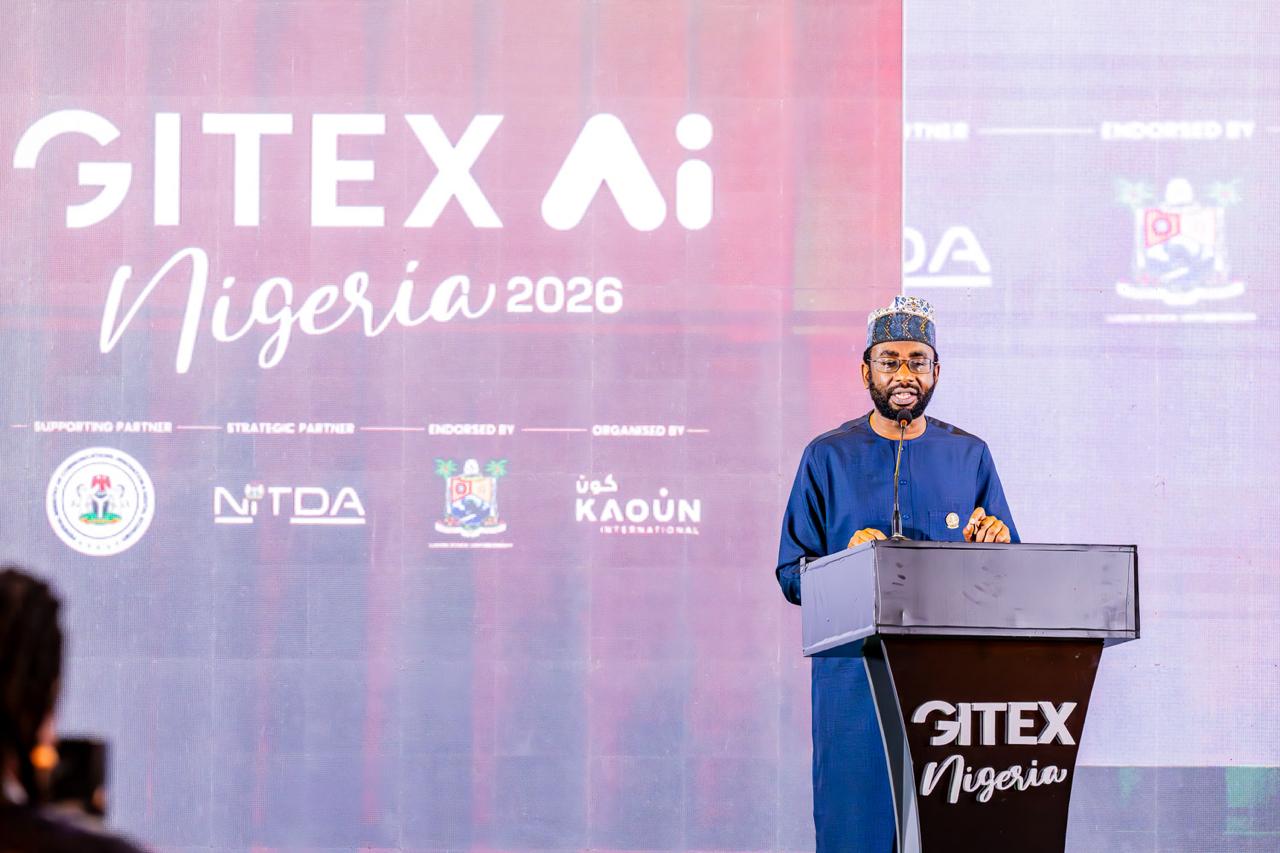
GITEX Nigeria Emphasizes Sovereign AI and Digital Transformation for a $1 Trillion Economy
GITEX Nigeria, a major tech and AI event, has launched in Abuja with a strong focus on advancing the nation's digital transformation and sovereign AI ambitions. Nigerian leaders…

Kenyan Political Operative Used Anthropic's Claude for AI-Generated Election Propaganda
A Kenyan political operative leveraged Anthropic's Claude AI to mass-produce social media propaganda ahead of the 2027 general election, praising government figures and targeting…

Anthropic Uncovers AI-Powered Political Influence Campaign in Kenya
A report by Anthropic details an AI-driven political influence operation in Kenya that used the Claude model to generate social media posts supporting the government and attacking…
The dispatch
One email a day. The AI stories shaping Africa.
Rewritten for clarity, sourced always. No spam; unsubscribe anytime.