African Leaders Push for Continent's Central Role in Global AI Governance

The newly launched AI for Good Global Commission aims to expand access to artificial intelligence, strengthen trust, and accelerate its social and economic impact globally. This initiative brings together representatives from governments, businesses, and international organizations to identify practical approaches for unlocking AI's potential while ensuring equitable access to the technology. A key focus is to bridge the digital divide, with an estimated 2.2 billion people still offline, highlighting the urgency of inclusive AI development.
Africa is asserting its critical role in shaping the future of AI, with Sunil Geness, SAP's Director of Global Government Affairs and CSR for Africa, emphasizing that the continent must be central to AI development, "rather than about or for the continent." Geness, who will participate in the International Telecommunication Union's (ITU) AI for Good Global Summit, advocates for Africa to approach global AI governance with a clear agenda focused on economic growth and inclusion. This includes prioritizing compute access, skills investment, trusted data systems, open standards, local-language innovation, and accountable public procurement.
Further strengthening Africa's influence, Rwandan President Paul Kagame has been appointed as co-chair of the AI for Good Global Commission, alongside Salesforce chair and CEO Marc Benioff. President Kagame reiterated that technology must serve as a force for good, reducing inequality and broadening access to AI's benefits for all citizens. His leadership underscores the continent's commitment to ensuring AI development is equitable and addresses global challenges without deepening existing disparities.
Geness also stressed the importance of turning the African Union's Continental AI Strategy into concrete national roadmaps, investment pipelines, and regional cooperation. This collective approach, where 54 nations align their positions, represents a powerful form of "technology diplomacy." The commission's work, supported by leaders like ITU Secretary-General Doreen Bogdan-Martin, highlights that collaborative, cross-sectoral leadership is essential to ensure AI genuinely benefits all people, everywhere.
More in policy

Kenyan Counties Urged to Implement 'Decision-Recovery Drills' for AI Public Services
Kenyan counties should implement 'decision-recovery drills' for AI-powered public services to ensure staff can correct AI errors and provide accurate information to citizens. This…

Togo Pioneers AI Initiative to Digitize Indigenous Languages for Public Services
Togo has launched a pioneering national AI initiative, "Voix du Togo," to digitize its local languages, including Ewe, Kabiyè, and Moba. This program aims to build AI tools that…

Uganda Lays Data Foundation for Future National AI Strategy
Uganda has launched a five-year National Data Strategy, explicitly stating it is foundational for the country's forthcoming National AI Strategy. This move aims to improve data…
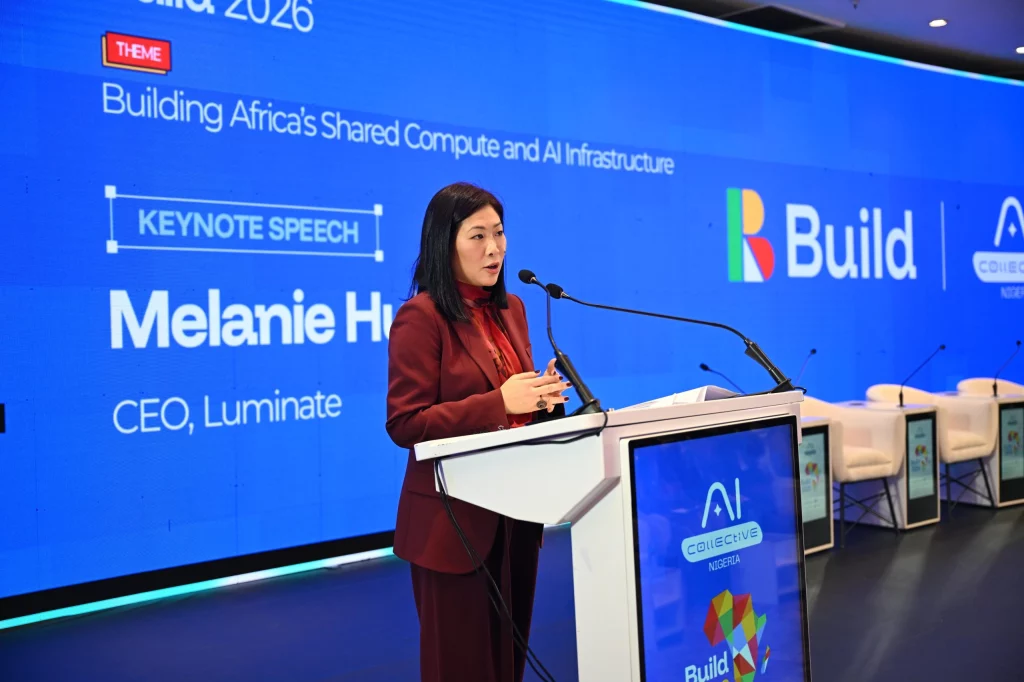
Luminate CEO Urges African Nations to Seize Control of Their Digital Future to Avoid AI Exploitation
Luminate CEO Melanie Hui warned African nations at the Build 2026 Conference in Abuja that they risk exploitation in the global AI economy if they do not secure genuine ownership…
The dispatch
One email a day. The AI stories shaping Africa.
Rewritten for clarity, sourced always. No spam; unsubscribe anytime.