Kenya Unveils Comprehensive AI Bill to Regulate Emerging Technologies and Establish Oversight

Kenya has published its Artificial Intelligence Bill, 2026, marking a significant step towards formalizing AI governance within the country. This proposed legislation aims to introduce a risk-based regulatory framework, moving beyond the existing general data protection laws and sector-specific policies that have previously guided AI development. The Bill addresses a recognized gap in dedicated AI legal frameworks, as highlighted by the National Artificial Intelligence Strategy 2025-2030, and seeks to manage AI-related risks while fostering responsible innovation.
A central feature of the AI Bill is the establishment of an independent Artificial Intelligence Commissioner. This new office would be tasked with overseeing the implementation and enforcement of AI regulations, conducting risk assessments, developing policy guidelines, and promoting AI literacy. An accompanying Advisory Committee, comprising representatives from government, industry, academia, and civil society, would provide counsel on emerging risks, ethical concerns, and the societal impact of AI deployment, including workforce transitions.
The Bill introduces a risk-based classification system for AI, categorizing systems based on their potential impact on health, safety, fundamental rights, the environment, and societal welfare. High-risk AI systems, particularly those deployed in critical sectors like healthcare, education, finance, and public administration, would face stringent compliance obligations. These include mandatory pre-deployment risk and human rights impact assessments, implementation of human oversight, and ensuring transparency, traceability, and explainability in AI-driven decision-making.
Furthermore, the legislation mandates robust record-keeping for high-risk systems and requires compliance with cybersecurity standards. For generative AI that manipulates images or voice, explicit consent and labeling requirements are introduced to combat misinformation and rights infringements. The Bill also integrates closely with Kenya's Data Protection Act, reinforcing safeguards for automated decisions and mandating annual compliance reporting for high-risk AI systems.
This legislative move signifies Kenya's commitment to embedding AI regulation within its broader digital economy framework. For businesses and investors, the AI Bill offers increased regulatory clarity and long-term certainty, emphasizing the importance of mature governance and responsible AI practices. While the success of the Bill will depend on effective implementation, including the development of secondary regulations and institutional capacity, Kenya is clearly positioning itself as a leader in AI governance on the African continent.
Source
More in policy

South Africa Leads BRICS Call for Global AI Governance and Independent Evaluation
South Africa, through President Cyril Ramaphosa, is advocating for a robust international framework for AI governance within the BRICS bloc, including independent scientific…
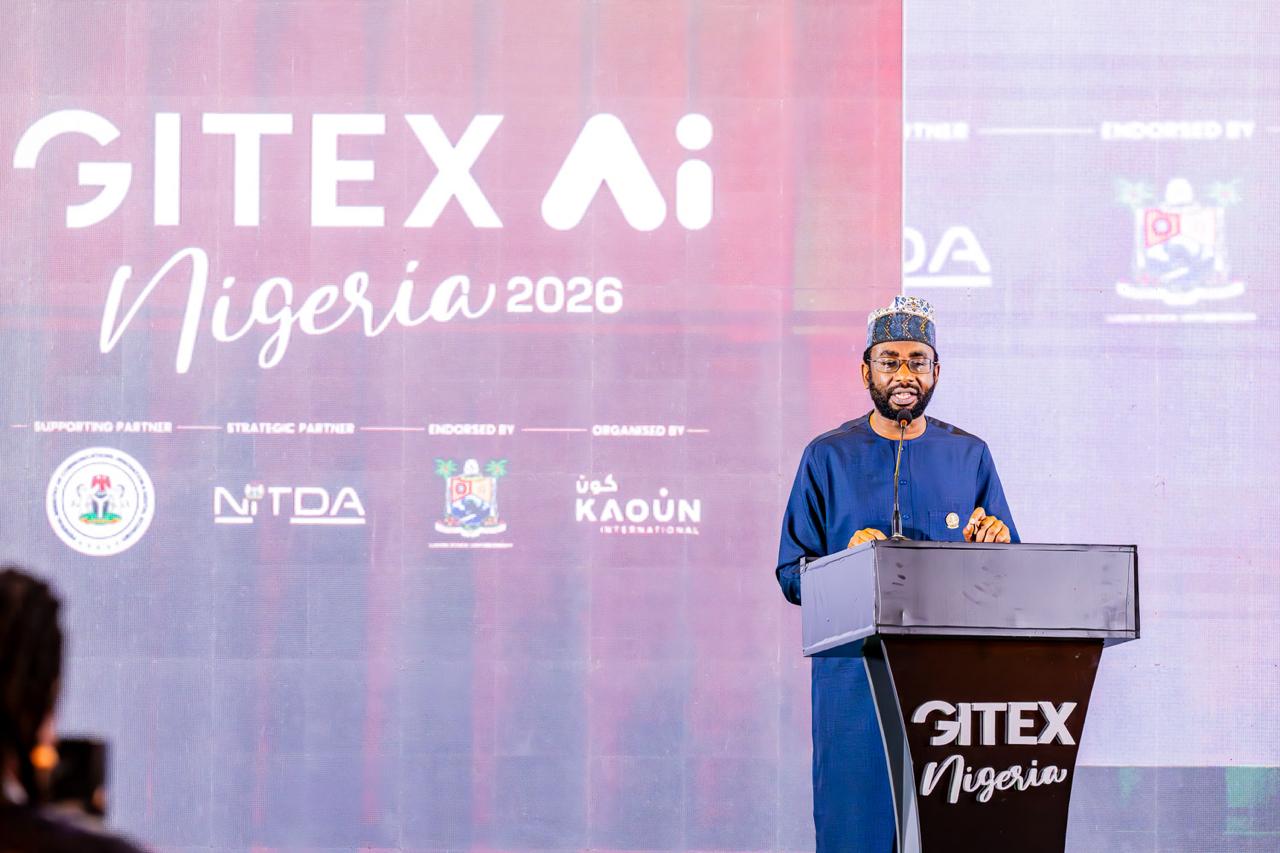
GITEX Nigeria Emphasizes Sovereign AI and Digital Transformation for a $1 Trillion Economy
GITEX Nigeria, a major tech and AI event, has launched in Abuja with a strong focus on advancing the nation's digital transformation and sovereign AI ambitions. Nigerian leaders…

Kenyan Political Operative Used Anthropic's Claude for AI-Generated Election Propaganda
A Kenyan political operative leveraged Anthropic's Claude AI to mass-produce social media propaganda ahead of the 2027 general election, praising government figures and targeting…

Anthropic Uncovers AI-Powered Political Influence Campaign in Kenya
A report by Anthropic details an AI-driven political influence operation in Kenya that used the Claude model to generate social media posts supporting the government and attacking…
The dispatch
One email a day. The AI stories shaping Africa.
Rewritten for clarity, sourced always. No spam; unsubscribe anytime.