Africa Risks Economic Marginalization Without Strategic AI Investment

A new report by Boston Consulting Group (BCG) warns that Africa is at a critical juncture in the global artificial intelligence (AI) revolution. Despite possessing a young, digitally adopting population, the continent risks becoming a mere consumer of AI technologies rather than a producer, potentially missing out on a significant share of the projected $15.7 trillion global AI economy by 2030. The report, "Advancing Africa's AI and Digital Economy," emphasizes the urgent need for African governments and the private sector to accelerate investment in digital infrastructure, data capabilities, and homegrown innovation to foster a competitive, AI-driven economy.
The BCG analysis highlights a widening digital economy gap, with Africa's digital sector contributing only 5% to its GDP, compared to 15% globally. This slow progress is attributed to several structural challenges, including economic fragmentation across 54 countries, a severe shortage of AI talent (Africa accounts for less than 5% of the global AI workforce), and a heavy reliance on imported technology, which stifles local innovation and value creation. Furthermore, Africa holds less than 1% of global data center capacity despite having 18% of the world's population, and fewer than 2% of its 2,000 languages are supported by large language models, limiting AI's accessibility and relevance.
The report underscores that traditional growth sectors for emerging economies, such as BPO and manufacturing, are increasingly susceptible to automation by AI. Without actively participating in AI production, Africa faces the prospect of exporting raw data while importing expensive AI services, perpetuating historical patterns of extracting raw materials without capturing downstream value. This scenario could lead to a loss of economic opportunities and exacerbate existing inequalities.
To counteract these threats, BCG recommends a proactive approach focused on building digital public infrastructure through public-private partnerships. This includes establishing core components like digital identity systems, payment platforms, and secure data exchange networks. The report also stresses the importance of robust data governance to ensure African ownership and control of information, alongside fostering cross-border collaboration to pool investments, share infrastructure, and promote open systems. This coordinated action, according to BCG, is vital for Africa to transition from a disadvantaged digital consumer to an empowered digital value creator.
Source
More in policy

South Africa Leads BRICS Call for Global AI Governance and Independent Evaluation
South Africa, through President Cyril Ramaphosa, is advocating for a robust international framework for AI governance within the BRICS bloc, including independent scientific…
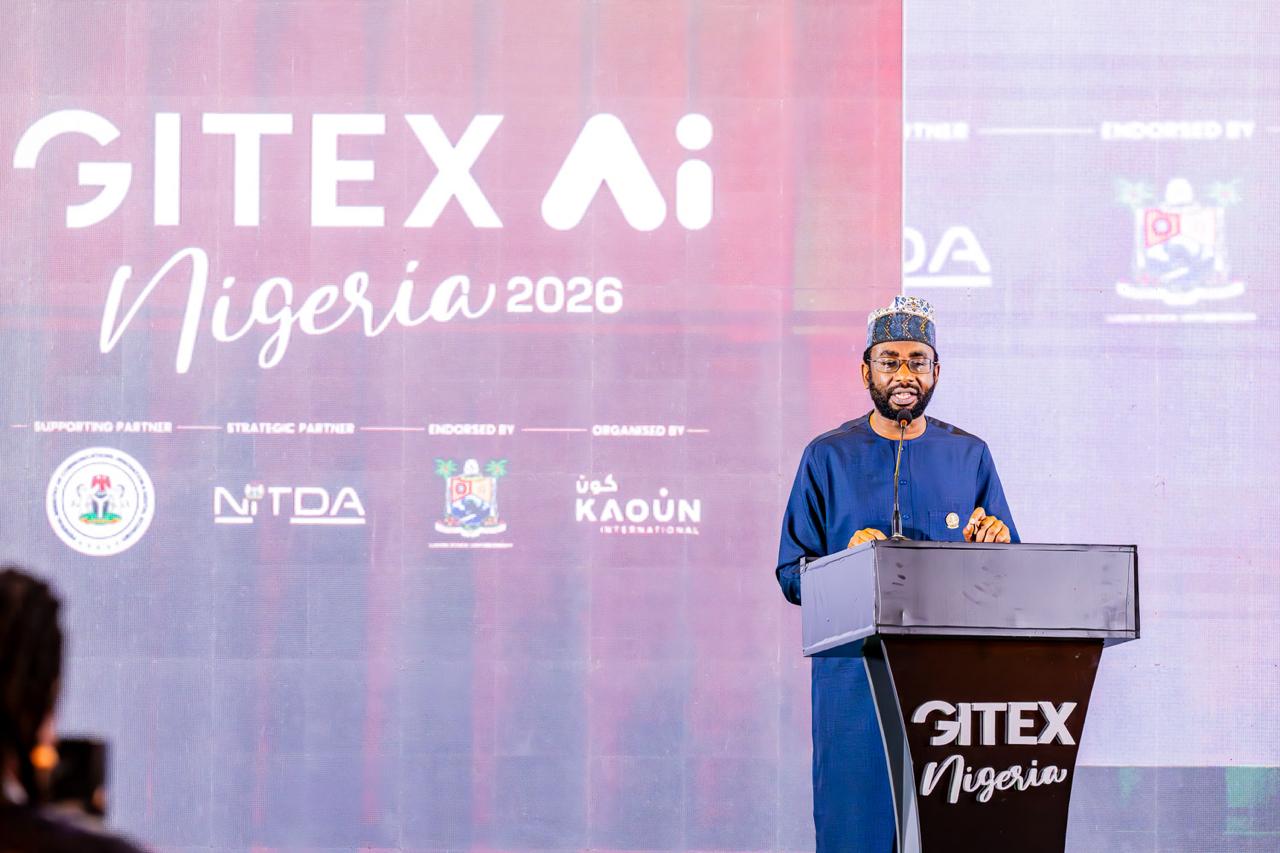
GITEX Nigeria Emphasizes Sovereign AI and Digital Transformation for a $1 Trillion Economy
GITEX Nigeria, a major tech and AI event, has launched in Abuja with a strong focus on advancing the nation's digital transformation and sovereign AI ambitions. Nigerian leaders…

Kenyan Political Operative Used Anthropic's Claude for AI-Generated Election Propaganda
A Kenyan political operative leveraged Anthropic's Claude AI to mass-produce social media propaganda ahead of the 2027 general election, praising government figures and targeting…

Anthropic Uncovers AI-Powered Political Influence Campaign in Kenya
A report by Anthropic details an AI-driven political influence operation in Kenya that used the Claude model to generate social media posts supporting the government and attacking…
The dispatch
One email a day. The AI stories shaping Africa.
Rewritten for clarity, sourced always. No spam; unsubscribe anytime.