FAO and Smart Africa Launch Innovate Africa Challenge to Scale AI for Climate-Smart Agriculture
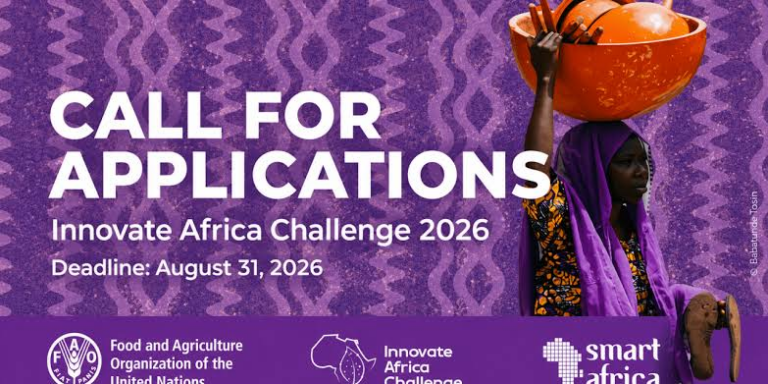
The Food and Agriculture Organization of the United Nations (FAO), in collaboration with the Smart Africa Secretariat, has initiated the third Innovate Africa Challenge. This continent-wide initiative aims to transition artificial intelligence (AI) solutions for climate-smart agriculture from pilot projects to actual deployment on farms across Africa. Unlike previous editions that focused on concepts, this year's challenge prioritizes identifying and implementing a proven AI-driven solution within a Smart Africa member state, working closely with national governments, FAO country offices, and local agricultural stakeholders.
African agriculture faces significant challenges, including climate variability, food insecurity, limited access to timely information, low digital adoption, and fragmented data systems. While AI and digital tools offer considerable potential to address these issues, many promising innovations fail to scale beyond the pilot phase. The Innovate Africa Challenge is specifically designed to bridge this gap by supporting technologies that have demonstrated effectiveness and are ready for widespread use, thereby delivering tangible results in real-world farming conditions.
The 2026 challenge seeks solutions in key areas such as precision agriculture, crop yield prediction, pest and disease surveillance, climate risk modeling, and water management. Selected technologies must integrate seamlessly with existing national agricultural information systems and operate effectively in low-connectivity, mobile-first environments with diverse languages and farming contexts. The deployment will focus on five Smart Africa member states: Rwanda, Kenya, Ghana, Malawi, and Uganda, in partnership with relevant ministries and FAO offices.
Applicants must be legally registered entities with a track record in AI solutions, with solutions at a Technology Readiness Level of 3-6 and backed by evidence of prior pilots or customer engagements. They must also demonstrate the capacity to deploy in other African countries and adhere to responsible AI principles, including transparency, bias mitigation, and data privacy. This initiative represents a crucial step towards leveraging AI to enhance agricultural resilience and productivity across the continent, ensuring that innovative tools reach the farmers who need them most.
Source
More in business

Egyptian AI Firm Synapse Analytics Secures $13M Series A to Expand Financial Decisioning Platform Across Africa
Egyptian AI firm Synapse Analytics has secured $13 million in Series A funding to expand its financial decisioning platform across Africa. The company's technology helps financial…

Nigerian Cybersecurity Startup Aeon Secures $1 Million Pre-Seed for AI-Powered Defence Platform
Nigerian startup Aeon has raised $1 million in pre-seed funding to develop its AI-powered cyberdefence platform, targeting high-trust organizations in the Global South. The…

Kenyan Agri-Insurtech Pula Named Earthshot Prize Finalist for Climate Resilience in African Farming
Kenyan climate-risk and agri-tech firm Pula has been named an Earthshot Prize finalist for its innovative parametric insurance, which uses satellite data to protect 24 million…

South African Banks Integrate AI for Efficiency and Customer Service, Shifting Focus to ROI
South Africa's leading banks are strategically integrating AI into daily operations, moving beyond initial adoption to focus on tangible business outcomes like efficiency, fraud…
The dispatch
One email a day. The AI stories shaping Africa.
Rewritten for clarity, sourced always. No spam; unsubscribe anytime.