Africa's AI Autonomy: Building Local Foundations to Avoid Foreign Dependence

The recent incident where a US government directive forced an American AI company to disable its model globally, including for African users, highlights a critical vulnerability for the continent. This event underscores that reliance on foreign-controlled AI services is not true capability, but rather a "subscription with a kill switch" that can be revoked without notice or recourse, impacting crucial public services and innovation in Africa.
The article argues against merely closing the "AI divide" by importing frontier models and data centers. Instead, it emphasizes the need for African countries to own key layers of the AI stack. Currently, Africa holds less than 1% of global data center capacity, with most African data residing on foreign servers, subjecting it to foreign laws and potential withdrawal. This dependence means that decisions made by external powers, often unrelated to Africa's needs, can undermine local development.
The concept of "Made in Africa" AI, as defined by Varaidzo Matimba, is presented as a strategy for systems that originate from, are accountable to, and serve African communities. This involves owning elements like data training, language support, problem definition, and evaluation. While full ownership of high-end compute or frontier model pre-training may be unrealistic for now, Africa can prioritize developing small, open, on-device models fine-tuned with local data and languages. Initiatives like Masakhane and Lelapa AI's InkubaLM exemplify this by building localized language models that run independently of foreign hyperscalers, making them un-revocable.
Economically, the shift towards inference (running models) over training is significant, as inference is highly distributable and benefits from being close to users. This presents an opportunity for Africa to own the inference layer, which is cheaper and more resilient. While securing base models and chips still involves foreign dependencies, owning the model layer shifts the risk from immediate shutdown to a more manageable, slower disadvantage.
To achieve this, the article recommends that African blocs like Smart Africa pool demand for affordable devices and fund shared open models and local-language datasets. Donors should pivot from funding only application pilots to investing in foundational infrastructure like open language datasets and regional compute. Funders supporting AI tools in health or agriculture must ensure that the underlying systems are locally owned, data governance is clear, and there is no single foreign vendor with a kill switch, thereby returning the decision-making power about AI's benefits to Africans.
Source
More in policy

South Africa Leads BRICS Call for Global AI Governance and Independent Evaluation
South Africa, through President Cyril Ramaphosa, is advocating for a robust international framework for AI governance within the BRICS bloc, including independent scientific…
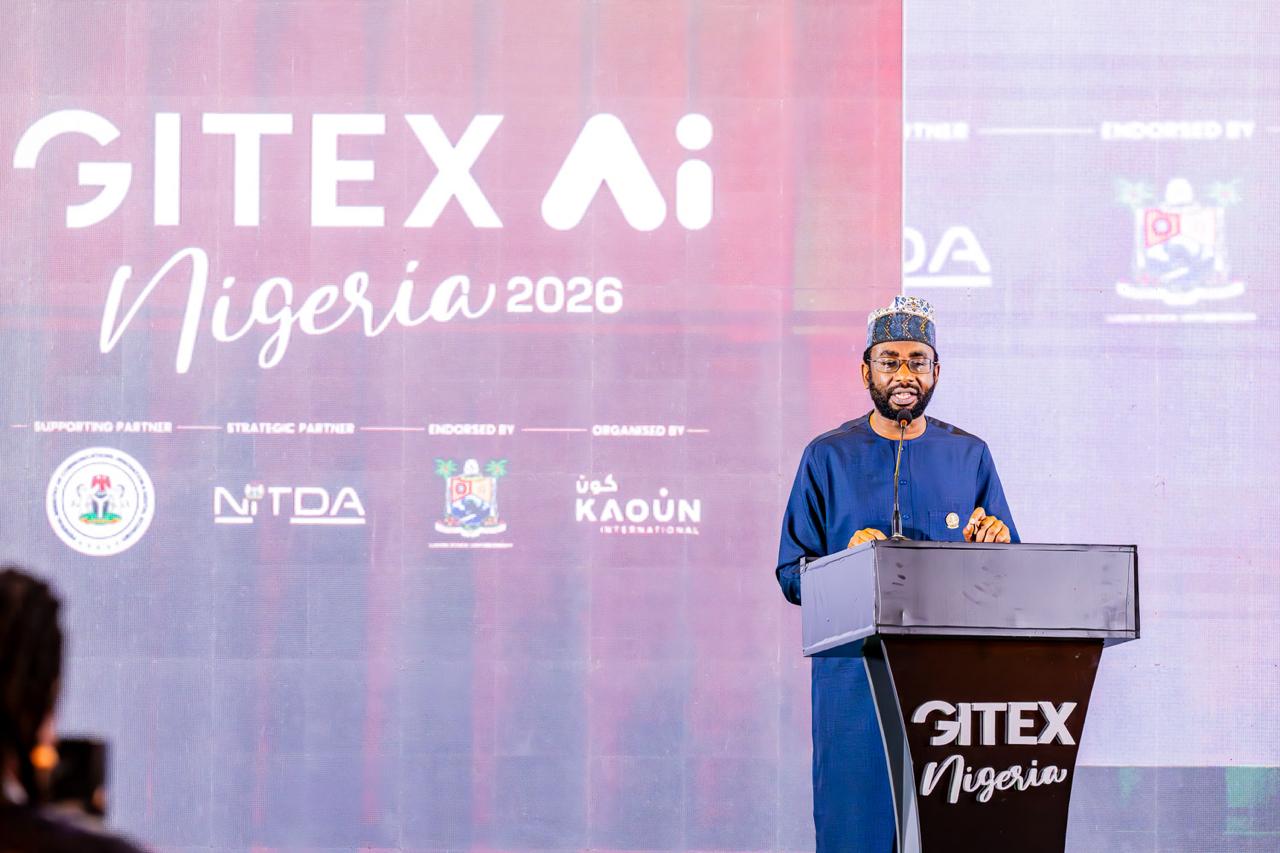
GITEX Nigeria Emphasizes Sovereign AI and Digital Transformation for a $1 Trillion Economy
GITEX Nigeria, a major tech and AI event, has launched in Abuja with a strong focus on advancing the nation's digital transformation and sovereign AI ambitions. Nigerian leaders…

Kenyan Political Operative Used Anthropic's Claude for AI-Generated Election Propaganda
A Kenyan political operative leveraged Anthropic's Claude AI to mass-produce social media propaganda ahead of the 2027 general election, praising government figures and targeting…

Anthropic Uncovers AI-Powered Political Influence Campaign in Kenya
A report by Anthropic details an AI-driven political influence operation in Kenya that used the Claude model to generate social media posts supporting the government and attacking…
The dispatch
One email a day. The AI stories shaping Africa.
Rewritten for clarity, sourced always. No spam; unsubscribe anytime.