Geopolitical AI Rivalry: US and China Vie for Influence Across Africa
The article from the Georgetown Journal of International Affairs examines the intensifying competition between the United States and China for technological influence, particularly in artificial intelligence, across the African continent. This rivalry is not merely economic but deeply strategic, with both global powers seeking to shape Africa's digital future through investments in AI infrastructure, data centers, surveillance technologies, and talent development initiatives. The stakes are high, as the outcome could significantly impact Africa's economic trajectory, data governance, and geopolitical alignment.
China's approach often involves extensive infrastructure development, including 5G networks and smart city projects, coupled with significant AI technology transfers and training programs. This strategy provides African nations with readily available, often more affordable, technological solutions but raises concerns about data sovereignty, dependency, and the potential for surveillance. The United States, on the other hand, emphasizes partnerships, ethical AI development, and promoting democratic values, though its engagement often faces challenges in matching the scale and speed of Chinese investment.
For African nations, this geopolitical competition presents a complex landscape of opportunities and risks. On one hand, it can accelerate technological adoption, foster innovation, and attract much-needed foreign direct investment into the burgeoning AI sector. On the other hand, it necessitates careful navigation to avoid becoming a battleground for external powers, ensuring that technology serves local development priorities rather than external strategic interests. African governments must develop robust regulatory frameworks and negotiation strategies to safeguard their interests, promote local innovation, and prevent digital colonialism.
The article likely concludes by offering critical lessons for other countries in the Global South. It highlights the importance of strategic autonomy, diversified partnerships, and the development of indigenous AI capabilities to leverage the benefits of global AI advancements while mitigating the risks associated with great power competition. The African experience serves as a crucial case study for understanding how developing regions can harness AI for progress amidst complex international dynamics.
More in policy

South Africa Leads BRICS Call for Global AI Governance and Independent Evaluation
South Africa, through President Cyril Ramaphosa, is advocating for a robust international framework for AI governance within the BRICS bloc, including independent scientific…
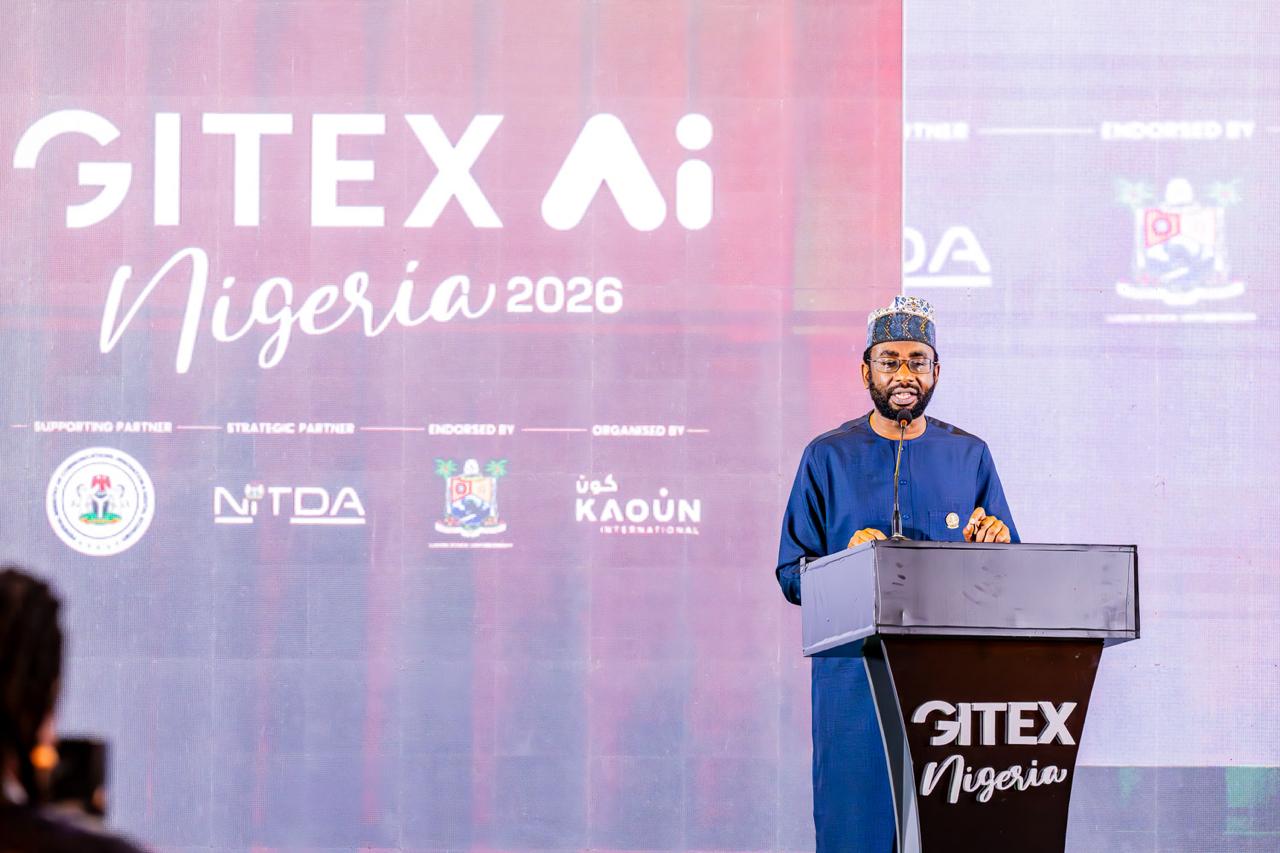
GITEX Nigeria Emphasizes Sovereign AI and Digital Transformation for a $1 Trillion Economy
GITEX Nigeria, a major tech and AI event, has launched in Abuja with a strong focus on advancing the nation's digital transformation and sovereign AI ambitions. Nigerian leaders…

Kenyan Political Operative Used Anthropic's Claude for AI-Generated Election Propaganda
A Kenyan political operative leveraged Anthropic's Claude AI to mass-produce social media propaganda ahead of the 2027 general election, praising government figures and targeting…

Anthropic Uncovers AI-Powered Political Influence Campaign in Kenya
A report by Anthropic details an AI-driven political influence operation in Kenya that used the Claude model to generate social media posts supporting the government and attacking…
The dispatch
One email a day. The AI stories shaping Africa.
Rewritten for clarity, sourced always. No spam; unsubscribe anytime.