Kenya Introduces Comprehensive Stablecoin Regulations to Integrate Digital Assets into Formal Finance
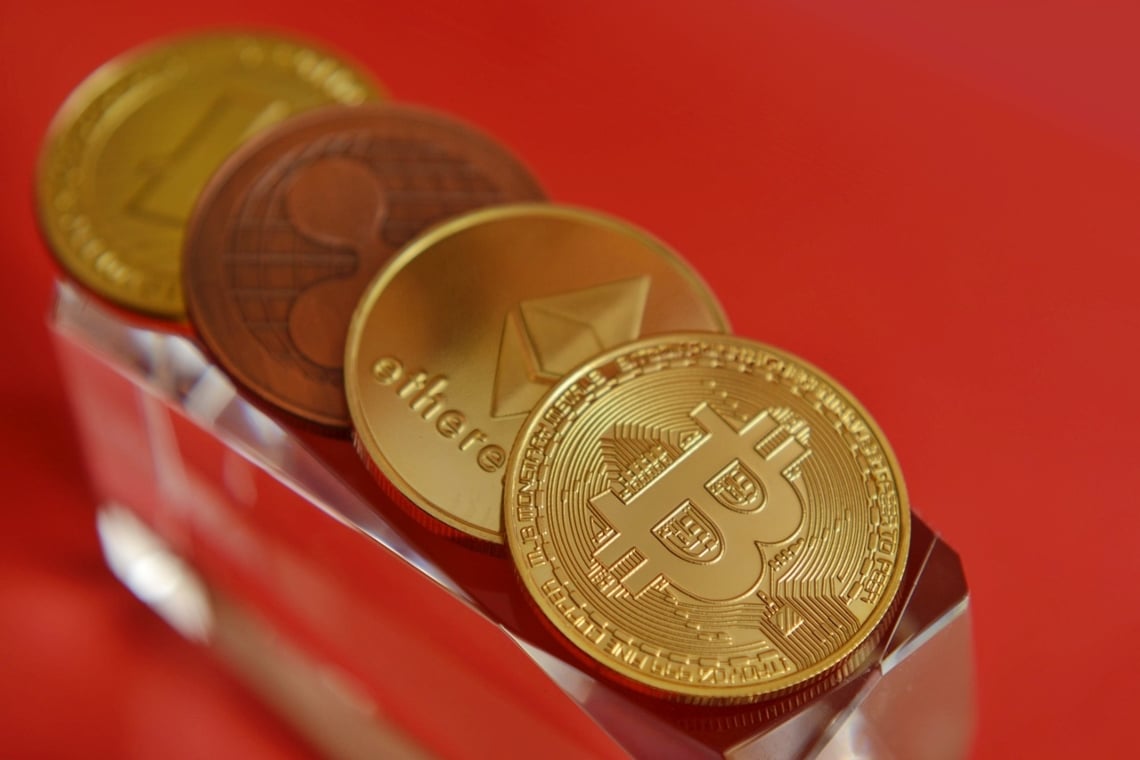
Kenya has enacted the Virtual Asset Service Providers (VASP) Regulations, 2026, establishing a formal framework for stablecoins. This move follows the rapid growth of stablecoins as a parallel financial system in Kenya, driven by young, digitally native users seeking alternatives to expensive remittances and currency volatility. The regulations aim to legitimize stablecoin activities, impose strict operational conditions, and place issuers under the supervision of financial authorities like the Central Bank of Kenya and the Capital Markets Authority.
A key provision of the new rules is the requirement for stablecoin issuers to hold at least 30% of their reserves in segregated accounts within Kenyan commercial banks, with the remainder in low-risk liquid assets. This measure integrates digital assets into the traditional banking system, ensuring local liquidity and redemption capabilities. The timing of these regulations is influenced by Kenya's grey-listing by the Financial Action Task Force (FATF) due to weaknesses in anti-money laundering frameworks, making VASP regulation a corrective action.
The regulations also address economic concerns, as stablecoins facilitate capital movement outside the domestic financial system, posing a dilemma for economies managing currency stability. While the framework brings clarity, it faces resistance from industry players, particularly regarding the local reserve requirement. Global stablecoin issuers anticipate increased costs and operational complexities due to the need to split funds and manage multiple reserve pools across jurisdictions.
Kenya's approach aligns with global regulatory trends that treat stablecoins as quasi-banking instruments rather than tech products. The country's specific focus on stablecoin mechanics, including reserves, licensing, and operational structure, distinguishes it from many other African markets still developing broader crypto frameworks. This positions Kenya among more mature regulatory environments, despite the nascent nature of its digital asset market.
Source
More in policy
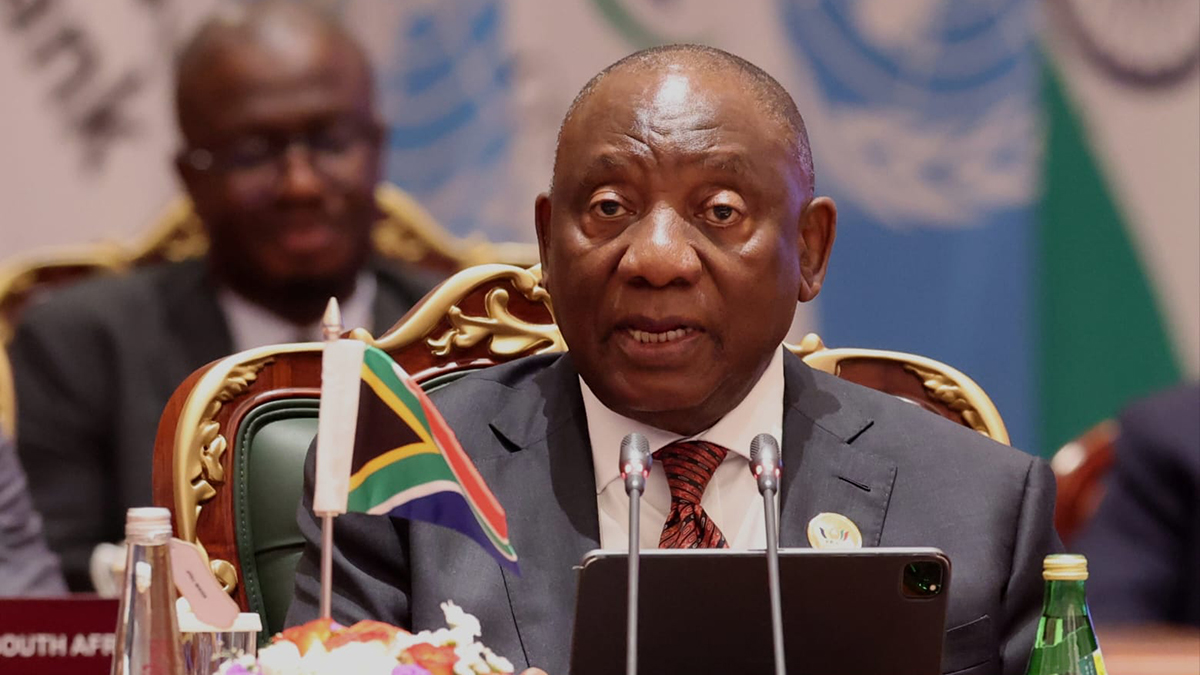
South Africa Leads BRICS Call for Global AI Governance and Independent Evaluation
South Africa, through President Cyril Ramaphosa, is advocating for a robust international framework for AI governance within the BRICS bloc, including independent scientific…
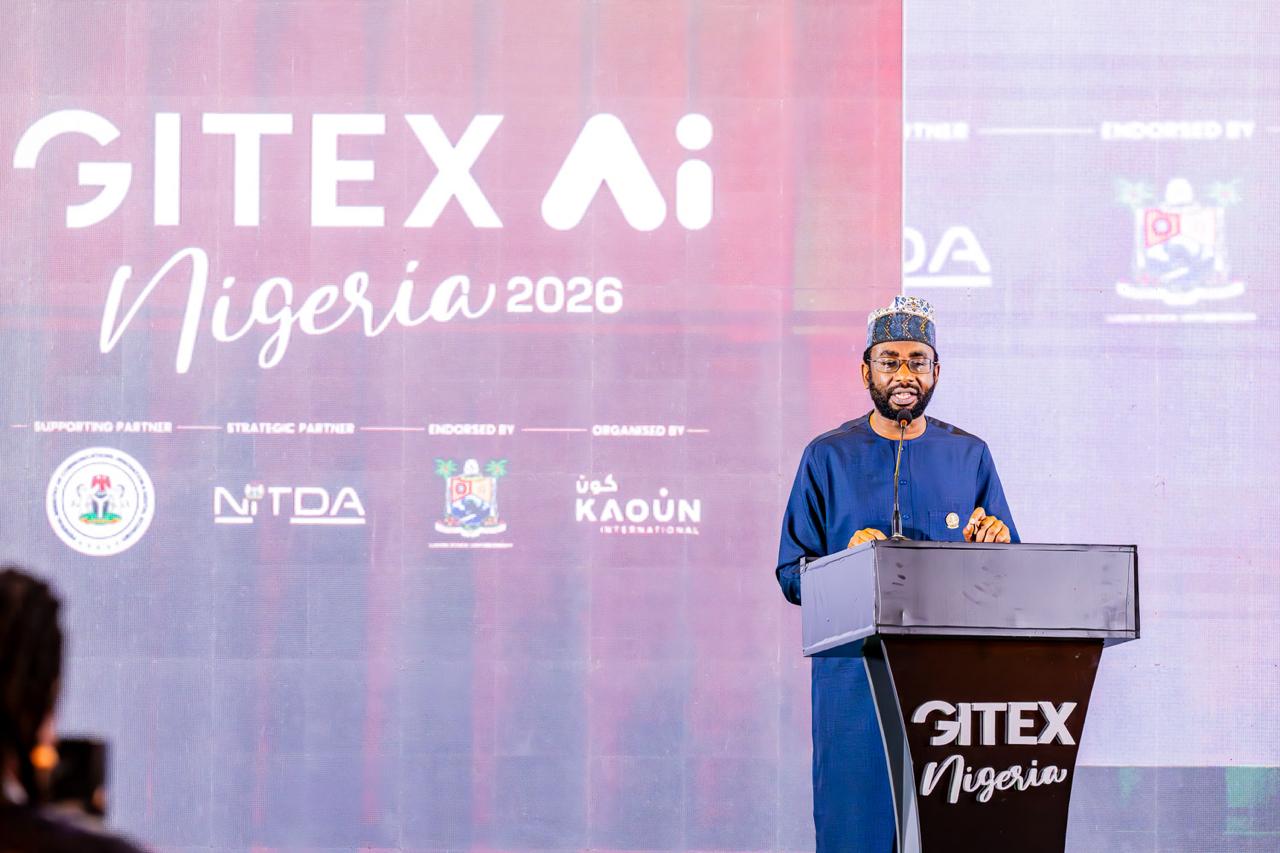
GITEX Nigeria Emphasizes Sovereign AI and Digital Transformation for a $1 Trillion Economy
GITEX Nigeria, a major tech and AI event, has launched in Abuja with a strong focus on advancing the nation's digital transformation and sovereign AI ambitions. Nigerian leaders…

Kenyan Political Operative Used Anthropic's Claude for AI-Generated Election Propaganda
A Kenyan political operative leveraged Anthropic's Claude AI to mass-produce social media propaganda ahead of the 2027 general election, praising government figures and targeting…

Anthropic Uncovers AI-Powered Political Influence Campaign in Kenya
A report by Anthropic details an AI-driven political influence operation in Kenya that used the Claude model to generate social media posts supporting the government and attacking…
The dispatch
One email a day. The AI stories shaping Africa.
Rewritten for clarity, sourced always. No spam; unsubscribe anytime.