African Cybercriminals Outpace Law Enforcement in AI Adoption, Interpol Report Reveals

A new report from Interpol, the African Cyberthreat Assessment Report 2026, highlights a concerning trend: cybercriminals in Africa are integrating artificial intelligence into their operations at a much faster rate than the law enforcement agencies tasked with stopping them. The report indicates that AI was involved in 55% of cybercrime cases observed by African countries in 2025, with deepfake incidents alone increasing sevenfold in the latter half of 2024. Criminals are leveraging AI for sophisticated phishing, identity fabrication, executive impersonation, and other forms of fraud, operating with "machine speed."
In stark contrast, African law enforcement agencies are struggling to keep up. Only 8% of intelligence analysts surveyed possess advanced AI expertise, and a staggering 92% cited a lack of technical expertise as their primary barrier to AI adoption. Most agencies continue to rely on manual processes, hampered by bureaucratic delays, legal complexities, and insufficient digital forensics tools. This technological and institutional imbalance is creating a significant vulnerability across the continent.
The implications for Africa are profound, given its rapid digitization and the widespread adoption of mobile-based financial systems. With over 1.1 billion mobile subscriptions and $1.1 trillion in digital transactions processed in 2025, the continent presents a lucrative target. The report notes a 62% year-on-year increase in African-origin data, including identity documents and banking credentials, appearing on dark web forums. AI can transform this stolen information into highly convincing and scalable fraud.
The report details how AI is being used across the entire attack cycle, from victim targeting to extortion and evasion. Deepfakes, for instance, have been used to impersonate public figures in fraudulent investment schemes, such as a case in Uganda that resulted in over $2 million in losses. Furthermore, cybercrime is becoming increasingly industrialized, with 72% of surveyed African countries reporting the presence of organized scam centers, particularly in Southern and Western Africa, which utilize AI for personalized lures and cloned voices.
Interpol emphasizes that the challenge for African governments is not just technological but also institutional. While criminals can readily access and deploy advanced AI tools with minimal infrastructure, law enforcement faces complex procurement, training, and legal hurdles. The fragmented nature of information sharing between agencies and across borders, coupled with the lack of real-time integration between financial institutions and national law enforcement, further exacerbates the problem, leaving critical data scattered and investigations significantly delayed.
Source
More in policy

South Africa Leads BRICS Call for Global AI Governance and Independent Evaluation
South Africa, through President Cyril Ramaphosa, is advocating for a robust international framework for AI governance within the BRICS bloc, including independent scientific…
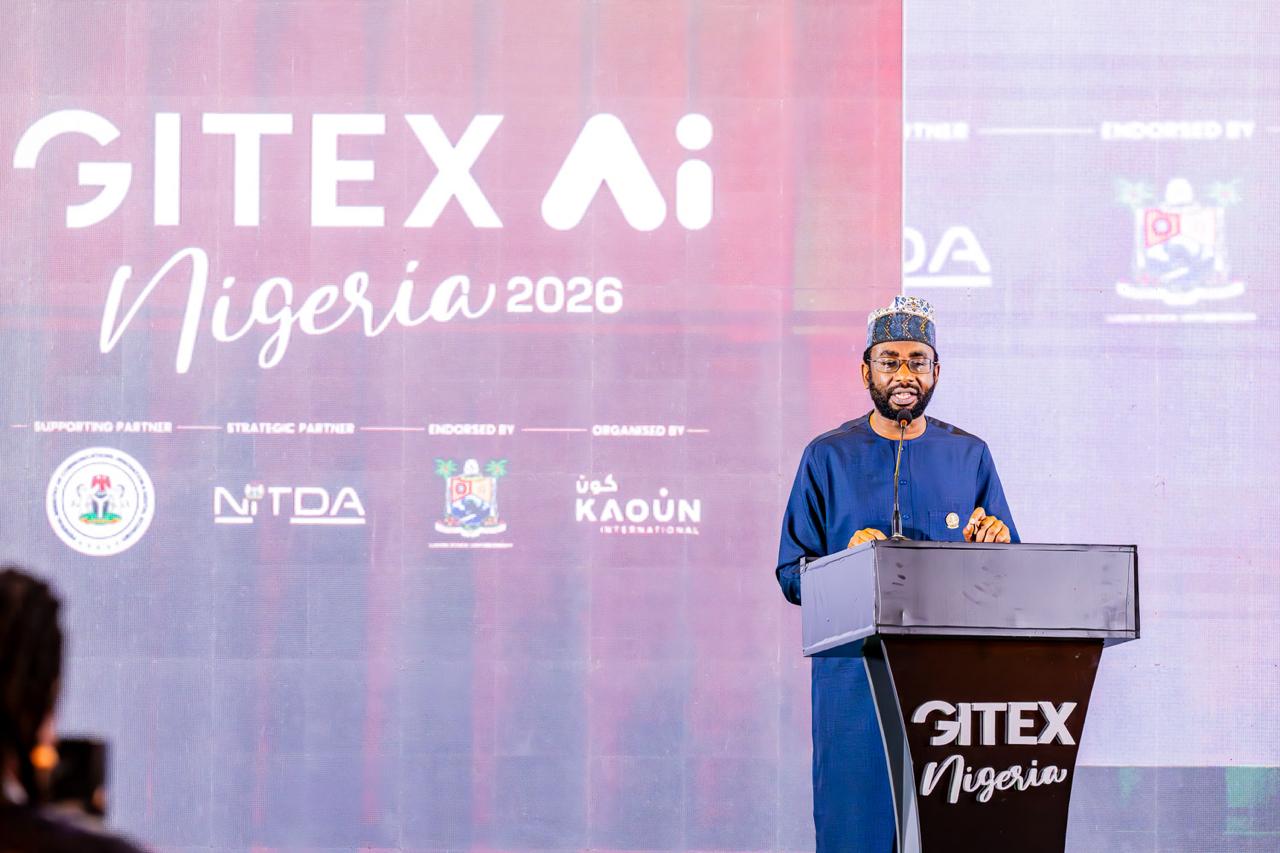
GITEX Nigeria Emphasizes Sovereign AI and Digital Transformation for a $1 Trillion Economy
GITEX Nigeria, a major tech and AI event, has launched in Abuja with a strong focus on advancing the nation's digital transformation and sovereign AI ambitions. Nigerian leaders…

Kenyan Political Operative Used Anthropic's Claude for AI-Generated Election Propaganda
A Kenyan political operative leveraged Anthropic's Claude AI to mass-produce social media propaganda ahead of the 2027 general election, praising government figures and targeting…

Anthropic Uncovers AI-Powered Political Influence Campaign in Kenya
A report by Anthropic details an AI-driven political influence operation in Kenya that used the Claude model to generate social media posts supporting the government and attacking…
The dispatch
One email a day. The AI stories shaping Africa.
Rewritten for clarity, sourced always. No spam; unsubscribe anytime.