African Nations Must Shift AI Strategy from Readiness to Competitive Advantage

African countries have largely overcome the initial hurdle of AI awareness, with numerous governments actively developing national AI strategies, advisory bodies, and regulatory frameworks. While this foundational work on "readiness" – focusing on infrastructure, skills, and data – is crucial, the article argues it is not an end in itself. The true measure of success lies in whether these strategies translate into tangible economic competitiveness, where firms produce more, entrepreneurs build valuable companies, and local solutions succeed in both domestic and international markets.
The piece highlights Kenya's draft AI policy as an example of strong foundational efforts, but emphasizes the need to move beyond these priorities to measurable economic advantages like improved agricultural yields or scalable local AI firms. AI competitiveness, as defined, is a nation's capacity to leverage, adapt, and create AI-driven solutions that boost productivity, strengthen institutions, foster competitive enterprises, and capture value globally. This doesn't necessitate competing with tech giants on all fronts, but rather building specialized advantages in sectors where African countries already possess expertise, data, or pressing problems, such as agriculture, healthcare, or financial services.
The author stresses the importance of "productive adoption" over "passive consumption." While Africans are already experimenting with AI tools, the policy challenge is to ensure these tools enhance local capabilities and create value within the continent, rather than merely consuming imported technologies without significant economic transformation. This means AI should empower local firms to be more productive and competitive, even if using foreign models.
A critical test for AI's impact in Africa will be its integration into the informal economy, which employs millions across the continent. If AI tools can reach small farms, market traders, and informal businesses – for inventory management, weather advice, or route optimization – the economic benefits could be far-reaching. This widespread adoption could lead to improved access to credit, stronger commercial identities, and a more formalized economy driven by the commercial value of increased visibility and productivity, ultimately fostering greater economic power across Africa.
Source
More in policy

South Africa Leads BRICS Call for Global AI Governance and Independent Evaluation
South Africa, through President Cyril Ramaphosa, is advocating for a robust international framework for AI governance within the BRICS bloc, including independent scientific…
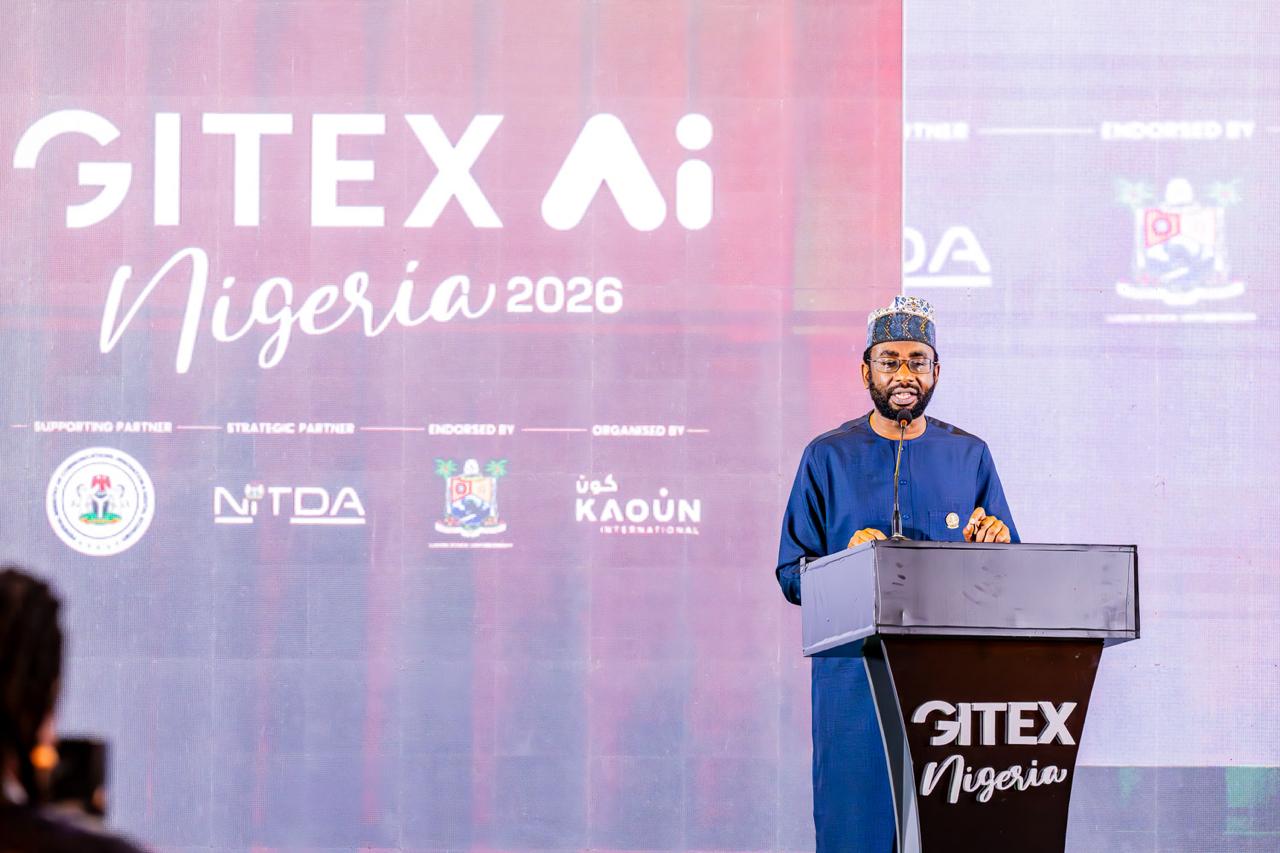
GITEX Nigeria Emphasizes Sovereign AI and Digital Transformation for a $1 Trillion Economy
GITEX Nigeria, a major tech and AI event, has launched in Abuja with a strong focus on advancing the nation's digital transformation and sovereign AI ambitions. Nigerian leaders…

Kenyan Political Operative Used Anthropic's Claude for AI-Generated Election Propaganda
A Kenyan political operative leveraged Anthropic's Claude AI to mass-produce social media propaganda ahead of the 2027 general election, praising government figures and targeting…

Anthropic Uncovers AI-Powered Political Influence Campaign in Kenya
A report by Anthropic details an AI-driven political influence operation in Kenya that used the Claude model to generate social media posts supporting the government and attacking…
The dispatch
One email a day. The AI stories shaping Africa.
Rewritten for clarity, sourced always. No spam; unsubscribe anytime.