Nigerian Startup NSKAI Aims to Train 500,000 Africans in AI, Eyes Guinness World Record

NSKAI, a Nigerian artificial intelligence startup, has set an ambitious goal to train half a million individuals across Africa in AI, exploring a Guinness World Record attempt to spotlight this initiative. Founder Ifeanyi Okala envisions establishing a new record category for AI education, emphasizing an African-led contribution to the global AI landscape rather than merely surpassing existing benchmarks. This bold move is designed to attract significant global attention and funding to their mission of empowering Africans as creators, not just consumers, of AI technologies.
The startup's "Udara Project" has already seen substantial interest, with approximately 21,000 registrations from 290 institutions across 30 African nations. This builds on an earlier successful bootcamp that attracted 1,370 participants from 55 countries, demonstrating a clear demand for AI education on the continent. NSKAI's programs focus on practical application, with participants developing products and gaining employment opportunities, underscoring the tangible impact of their training.
However, NSKAI faces challenges in scaling its programs, particularly concerning communication and language barriers. The Udara program, which saw only about 2,000 completions from 22,000 registrations, highlighted issues with email as a primary communication channel and the dominance of English instruction. To address these, NSKAI plans to leverage YouTube for broader access and translation tools, introduce French-speaking support, and consider physical training partnerships with universities to cater to diverse learning needs.
Funding remains a critical hurdle for NSKAI. Operating its largest program to date without external funding, the organization is now actively seeking institutional partnerships and significant investment. Okala estimates that expanding online training would require millions in Naira, while incorporating physical training across multiple countries could necessitate around $1 million. This investment would cover compensation for ambassadors and organizers, enhance communication systems, and support on-ground training teams, moving away from a volunteer-reliant model and course sales which proved unsustainable.
Source
More in business
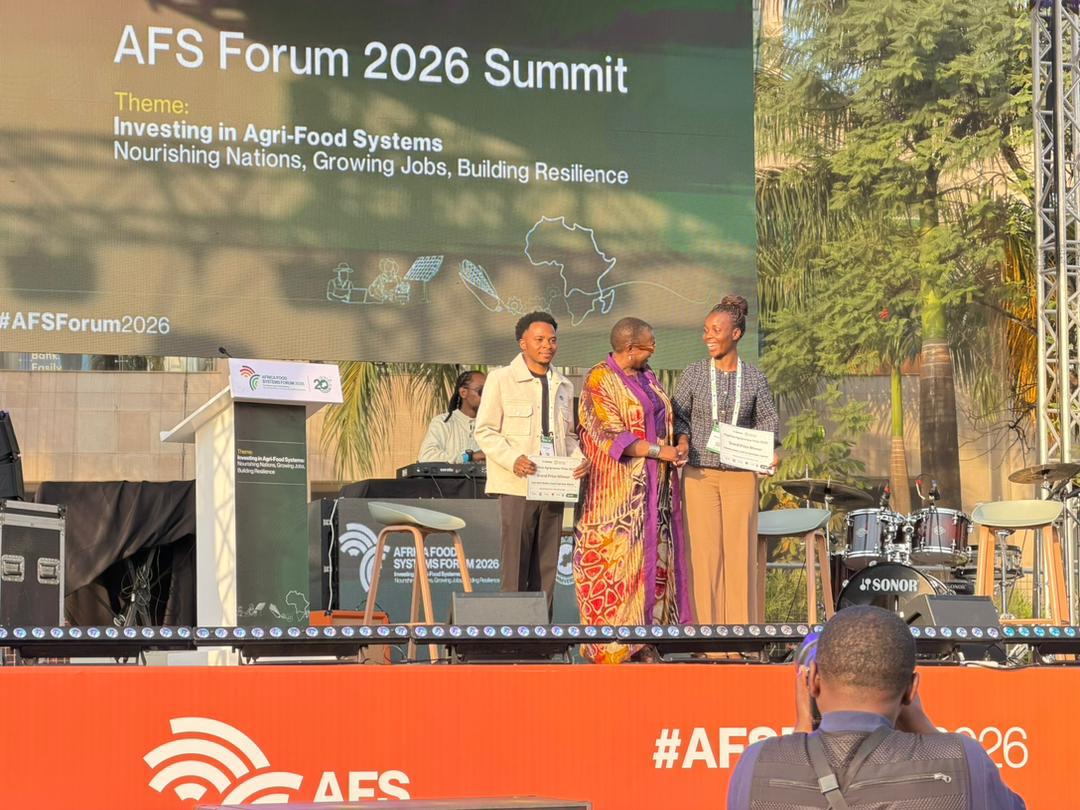
Ugandan Startup SANDI AI Secures $50,000 Prize to Boost Farmer Loan Access
Ugandan startup SANDI AI has won a $50,000 prize for its AI-driven platform designed to help smallholder farmers access loans without traditional collateral. This innovation aims…

Nigerian Innovator Uses AI to Safeguard Catfish Farms from Devastating Water Quality Issues
A Nigerian innovator developed an AI-powered device, Aquamanne, to help local fish farmers monitor water quality and prevent mass fish deaths. The system provides real-time alerts…
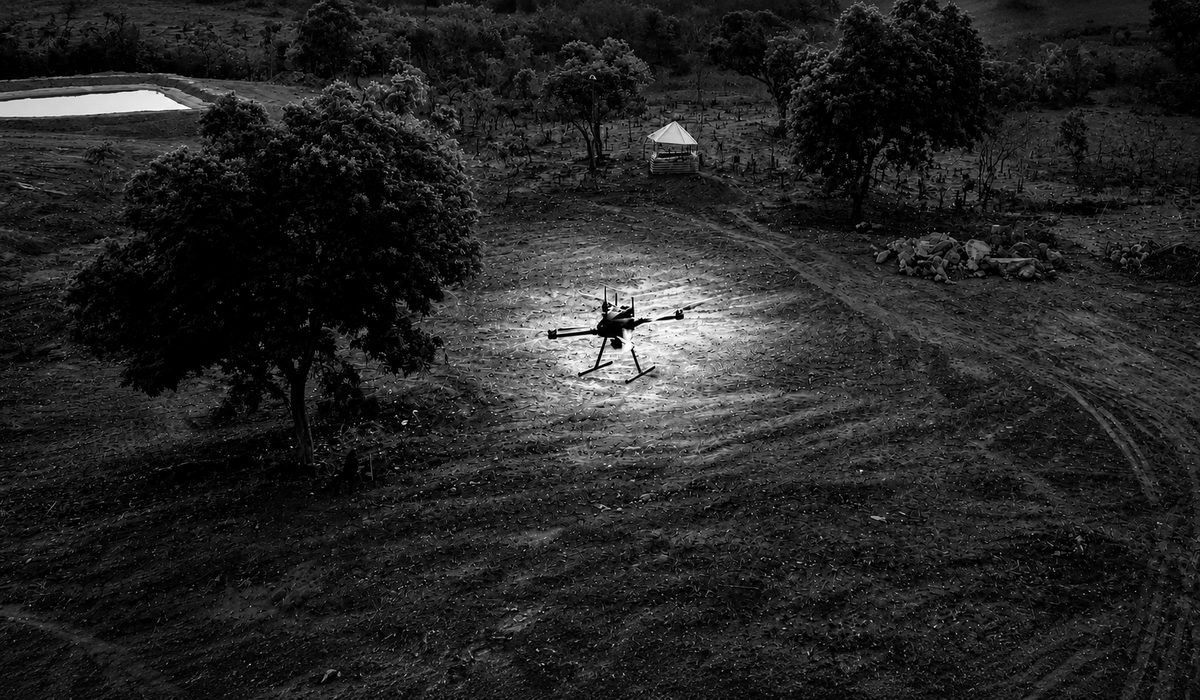
Nigerian AI Startup Secures $2M Deals to Protect Lithium Mines, Raising Data Sovereignty Questions
Nigerian defense-tech startup Terra Industries has secured $2 million in contracts to deploy AI-powered autonomous security systems at lithium mining sites across Nigeria. These…

Injini Launches AI-Focused EdTech Accelerator for Southern African Startups
Injini, an African EdTech accelerator, has launched a $125,000 AI education program for startups in nine Southern African countries. The initiative will support early-stage teams…
The dispatch
One email a day. The AI stories shaping Africa.
Rewritten for clarity, sourced always. No spam; unsubscribe anytime.