IMF Warns Africa's AI Ambitions Hinge on Basic Infrastructure and Localized Solutions

A recent report from the International Monetary Fund (IMF) highlights a critical challenge for sub-Saharan Africa's pursuit of artificial intelligence: the continent's persistent lack of reliable electricity and digital infrastructure. While investments in data centers and AI strategies are emerging, nearly half of sub-Saharan Africa still lacks consistent power, threatening to drastically limit the economic benefits AI could offer. The IMF estimates that without significant investment in foundational infrastructure and skills, AI's economic contribution to the region could be a mere 0.2% over the next decade, a stark contrast to a potential 4% with proper investment.
The report emphasizes that Africa's AI challenge is not primarily about job displacement, as seen in Western economies, but rather about ensuring widespread adoption to achieve meaningful economic gains. Many African workers are in sectors less susceptible to current AI automation. However, businesses could still face disadvantages if competitors elsewhere leverage AI to boost productivity, making it crucial for African enterprises to integrate AI tools rapidly.
To unlock AI's potential, the IMF advocates for practical, localized applications that cater to Africa's unique realities. This means moving beyond imported models that demand constant broadband and expensive subscriptions, towards solutions like voice assistants in local languages, WhatsApp-integrated tools, or systems resilient to low-cost devices and intermittent internet. The success of mobile money, which adapted to existing mobile phone and agent networks, serves as a blueprint for AI's necessary evolution on the continent.
Furthermore, the concentration of data centers in a few key markets like South Africa, Nigeria, and Kenya risks creating a two-speed AI economy. This could leave smaller or landlocked countries at a disadvantage, reliant on more costly and delayed access to computing power hosted abroad. The report stresses that regional cooperation is vital to share infrastructure, harmonize regulations, and create larger markets, ensuring that the benefits of AI are distributed more equitably across the continent.
Source
More in policy
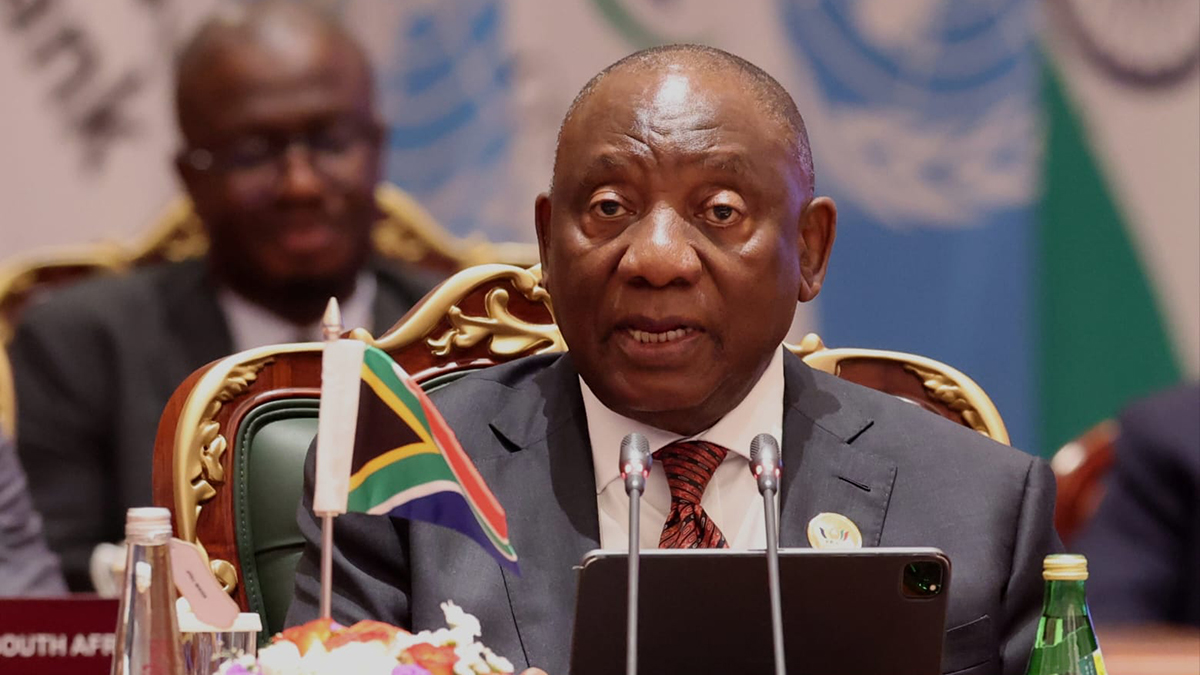
South Africa Leads BRICS Call for Global AI Governance and Independent Evaluation
South Africa, through President Cyril Ramaphosa, is advocating for a robust international framework for AI governance within the BRICS bloc, including independent scientific…
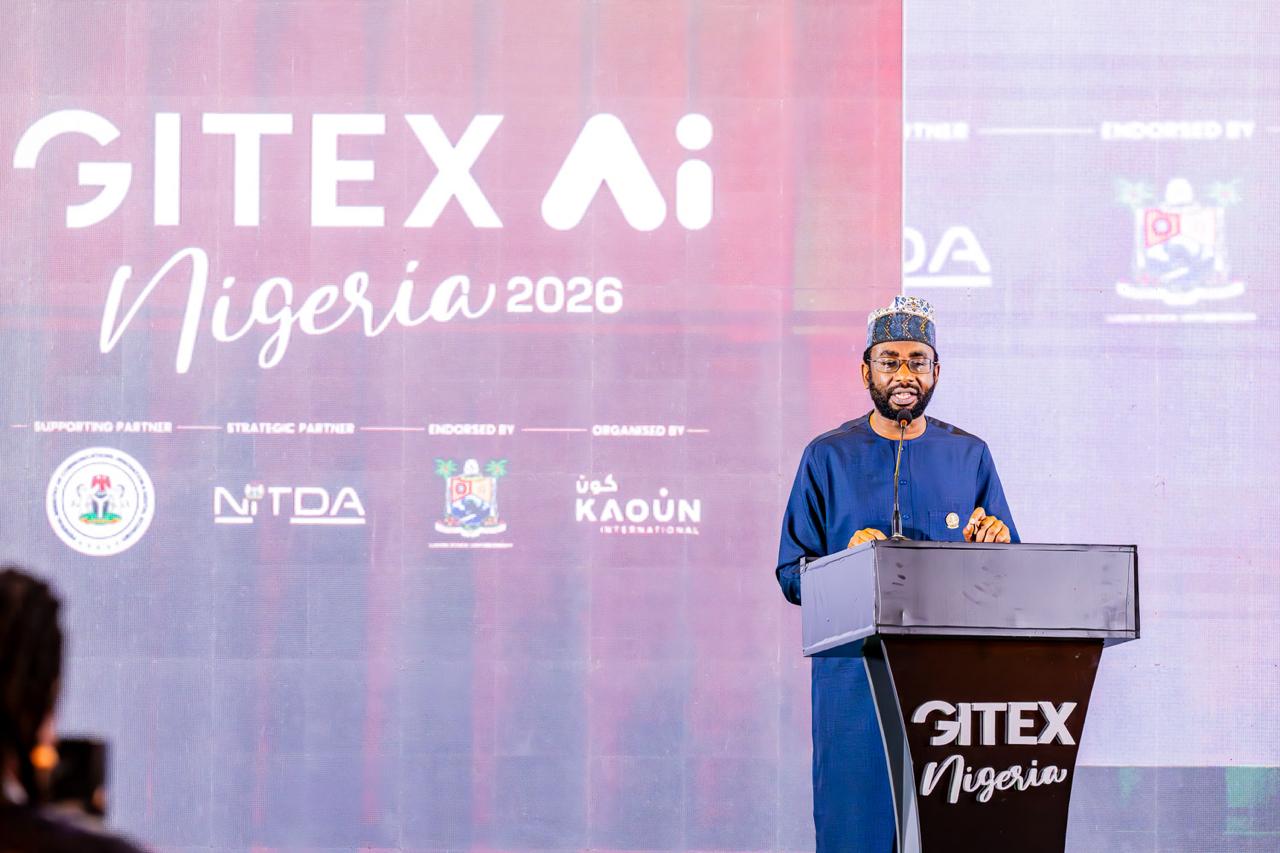
GITEX Nigeria Emphasizes Sovereign AI and Digital Transformation for a $1 Trillion Economy
GITEX Nigeria, a major tech and AI event, has launched in Abuja with a strong focus on advancing the nation's digital transformation and sovereign AI ambitions. Nigerian leaders…

Kenyan Political Operative Used Anthropic's Claude for AI-Generated Election Propaganda
A Kenyan political operative leveraged Anthropic's Claude AI to mass-produce social media propaganda ahead of the 2027 general election, praising government figures and targeting…

Anthropic Uncovers AI-Powered Political Influence Campaign in Kenya
A report by Anthropic details an AI-driven political influence operation in Kenya that used the Claude model to generate social media posts supporting the government and attacking…
The dispatch
One email a day. The AI stories shaping Africa.
Rewritten for clarity, sourced always. No spam; unsubscribe anytime.