Unlocking Africa's Agrivoltaics Potential: Shifting Concessional Capital to De-risk Farming
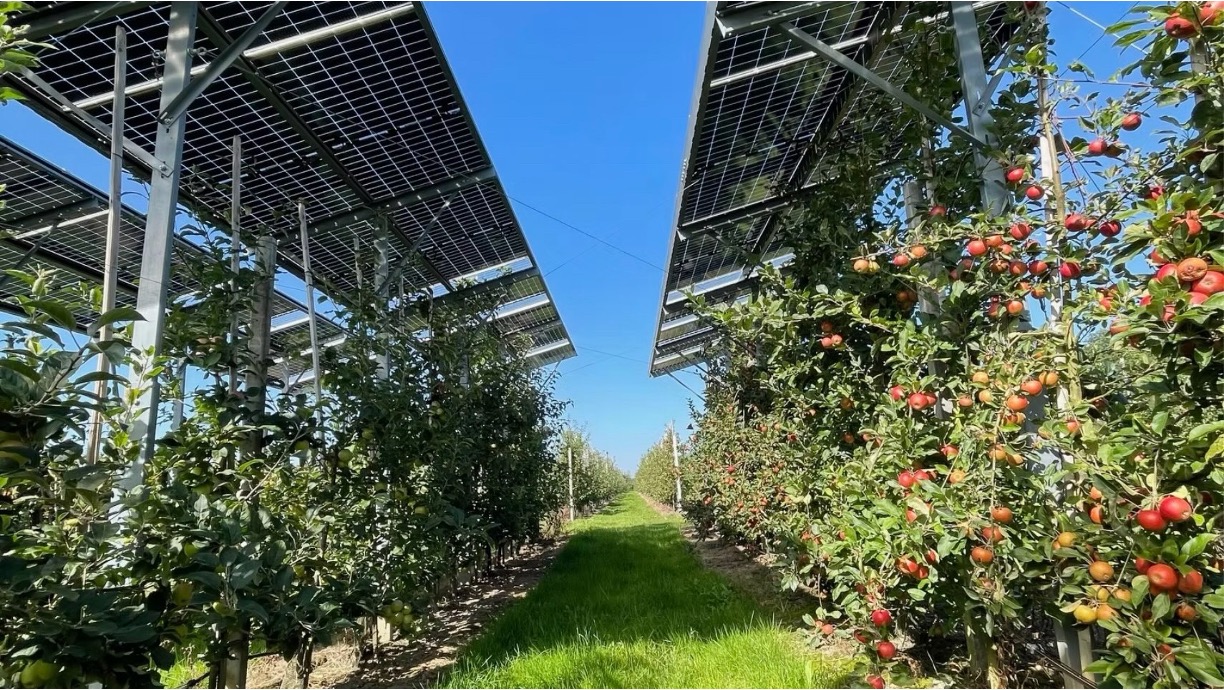
A seasoned expert in renewable energy and agricultural finance in Africa argues for a strategic shift in how concessional capital is deployed within agrivoltaics projects. Historically, finance has favored the more predictable energy generation side, while the riskier agricultural component, with its unpredictable yields and complex underwriting challenges, has been underserved. This approach overlooks the significant potential of agrivoltaics to simultaneously address critical issues of energy access, food security, water optimization, and climate resilience across the continent.
The core argument is that concessional funding should be directed towards the agricultural layer beneath the solar panels, specifically for crop trials, farmer aggregation, and off-take arrangements. This is where the true financing gap and unpriced risk lie in many African markets. By providing grants and guarantees for these agronomic and commercial aspects, a track record can be established, enabling commercial lenders to confidently underwrite the agricultural side of these integrated projects.
The article highlights successful pilot projects in Kenya and Tanzania, demonstrating the viability of growing crops like maize and beans under elevated solar panels. It emphasizes that the crucial missing element in Africa is not solar engineering, but rather site-specific data on which crops and configurations yield the best results locally. Bridging this data gap through targeted concessional capital is presented as the key to unlocking larger commercial investment in the energy component of agrivoltaics.
This reframing of capital allocation is gaining traction, exemplified by the African Agrivoltaics Platform Initiative. This collaborative effort, involving the C4SA Foundation, OECD Development Centre, Akademiya2063, and the UN Joint SDG Fund, aims to build a pipeline of bankable projects by addressing data and capacity gaps on the agricultural side. The ultimate goal is to enable Africa to leverage agrivoltaics to meet both its food and energy needs without having to choose between them.
Source
More in business

Egyptian AI Firm Synapse Analytics Secures $13M Series A to Expand Financial Decisioning Platform Across Africa
Egyptian AI firm Synapse Analytics has secured $13 million in Series A funding to expand its financial decisioning platform across Africa. The company's technology helps financial…

Nigerian Cybersecurity Startup Aeon Secures $1 Million Pre-Seed for AI-Powered Defence Platform
Nigerian startup Aeon has raised $1 million in pre-seed funding to develop its AI-powered cyberdefence platform, targeting high-trust organizations in the Global South. The…

Kenyan Agri-Insurtech Pula Named Earthshot Prize Finalist for Climate Resilience in African Farming
Kenyan climate-risk and agri-tech firm Pula has been named an Earthshot Prize finalist for its innovative parametric insurance, which uses satellite data to protect 24 million…

South African Banks Integrate AI for Efficiency and Customer Service, Shifting Focus to ROI
South Africa's leading banks are strategically integrating AI into daily operations, moving beyond initial adoption to focus on tangible business outcomes like efficiency, fraud…
The dispatch
One email a day. The AI stories shaping Africa.
Rewritten for clarity, sourced always. No spam; unsubscribe anytime.