IMF Report: AI Could Boost Sub-Saharan Africa's Economy by 4% with Strategic Investments

A recent International Monetary Fund (IMF) report, "Unlocking the Potential: AI in Sub-Saharan Africa," projects that artificial intelligence could increase Sub-Saharan Africa's economic output by approximately 4% over the next decade. However, this significant growth is contingent upon governments proactively addressing critical infrastructure deficiencies in electricity, broadband connectivity, and computing capacity. Without these foundational improvements, the IMF estimates AI's contribution to regional productivity and economic growth will remain a modest 0.2% and 0.4% respectively.
The report identifies several countries, including Nigeria, South Africa, Mauritius, Botswana, and Namibia, as having the greatest potential to benefit from AI-driven productivity gains due to their economic structures, which feature larger shares of workers in sectors like finance and ICT. Despite this potential, Sub-Saharan Africa currently ranks at the bottom of the IMF's AI Preparedness Index, highlighting substantial barriers across digital infrastructure, human capital, innovation ecosystems, and AI governance that need to be overcome to realize these benefits.
The IMF pinpoints three key bottlenecks: unreliable electricity access affecting nearly half the population, low internet penetration (38% compared to a 68% global average), and limited computing infrastructure, with only about 5.5% of global data center capacity located in Africa, predominantly in South Africa, Nigeria, and Kenya. The report advocates for substantial investment in national grids, mini-grids, fiber-optic networks, open-access broadband models, and broader data center development to prevent widening digital inequalities.
Despite the challenges, the report showcases practical AI applications already yielding positive results in Africa. Examples include AI-powered advisory platforms for agriculture in Kenya, Ghana, Nigeria, Rwanda, and Uganda; AI tutors addressing teacher shortages in Nigeria; and data analytics improving tax collection in South Africa. These cases suggest that immediate AI impact will likely stem from practical, sector-specific solutions to existing development challenges.
African governments are beginning to respond. Nigeria's Minister of Communications, Innovation and Digital Economy, Dr. Bosun Tijani, acknowledged the report's findings and highlighted ongoing national AI strategies and infrastructure initiatives. Mauritius and Kenya also have national AI strategies, and recent commitments like the Abuja Declaration on Meaningful Connectivity underscore a growing regional focus on infrastructure sharing and coordinated digital development.
Source
More in policy
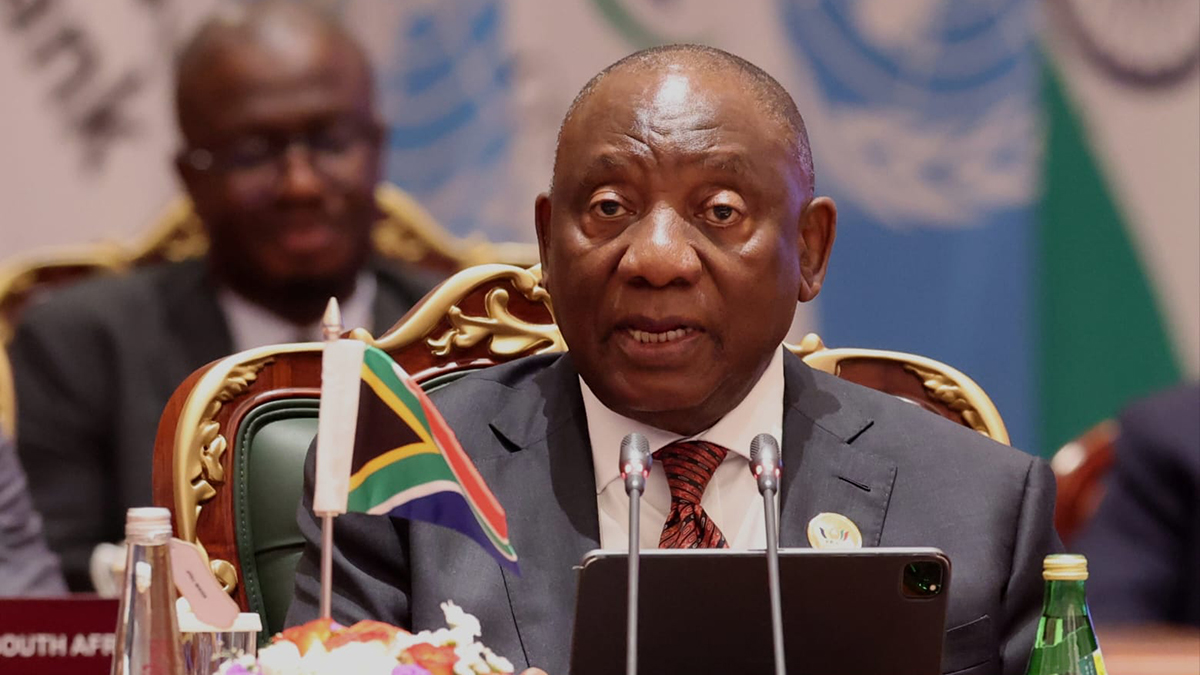
South Africa Leads BRICS Call for Global AI Governance and Independent Evaluation
South Africa, through President Cyril Ramaphosa, is advocating for a robust international framework for AI governance within the BRICS bloc, including independent scientific…
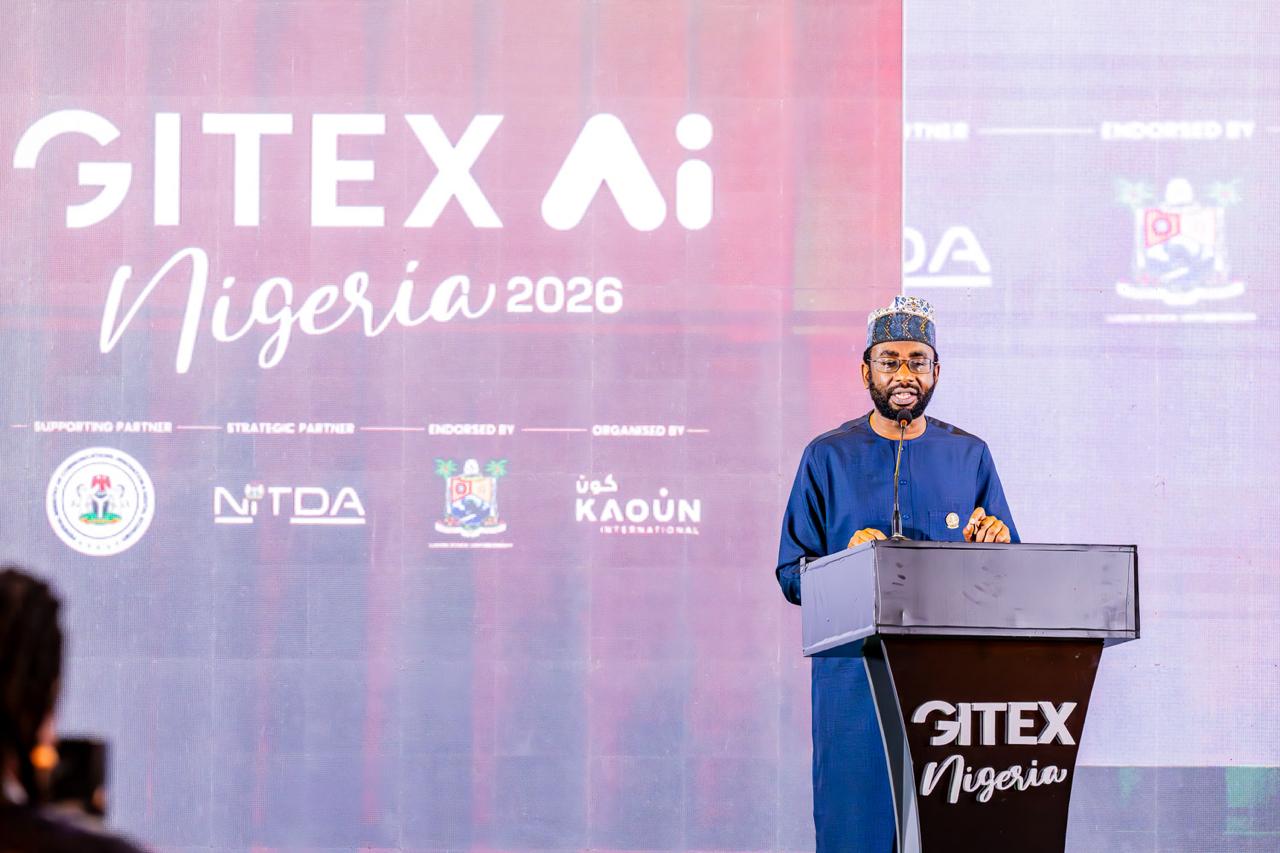
GITEX Nigeria Emphasizes Sovereign AI and Digital Transformation for a $1 Trillion Economy
GITEX Nigeria, a major tech and AI event, has launched in Abuja with a strong focus on advancing the nation's digital transformation and sovereign AI ambitions. Nigerian leaders…

Kenyan Political Operative Used Anthropic's Claude for AI-Generated Election Propaganda
A Kenyan political operative leveraged Anthropic's Claude AI to mass-produce social media propaganda ahead of the 2027 general election, praising government figures and targeting…

Anthropic Uncovers AI-Powered Political Influence Campaign in Kenya
A report by Anthropic details an AI-driven political influence operation in Kenya that used the Claude model to generate social media posts supporting the government and attacking…
The dispatch
One email a day. The AI stories shaping Africa.
Rewritten for clarity, sourced always. No spam; unsubscribe anytime.