Zipline's AI-Driven Drone Logistics Poised for National Scale-Up in Nigeria
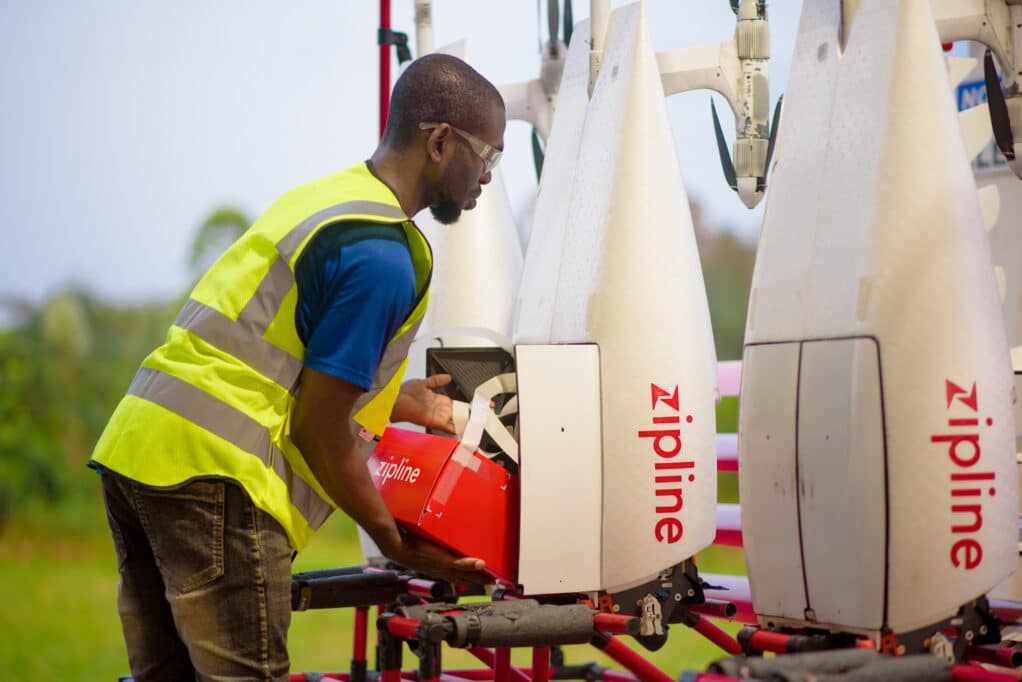
Zipline, the autonomous logistics company known for its drone delivery systems, is embarking on a significant national expansion across Nigeria. Having successfully delivered over 6.1 million vaccine doses and one million medical product units in Kaduna, Cross River, and Bayelsa states over the past four years, the company now aims to extend its reach to up to 100 million people throughout the country. This ambitious plan marks a shift from state-by-state partnerships to a comprehensive engagement model involving local, state, and national healthcare stakeholders.
Anthonio Pinheiro, Zipline's Nigeria Country Director, highlighted the company's achievements, including a 30% increase in treatment among malnourished children and a 42% reduction in zero-dose prevalence in its operational areas. These results are particularly critical for Nigeria, which faces the challenge of having the highest number of unvaccinated children globally. The expansion will see the construction of 12 new distribution centers, referred to as "nests," over the next two years, with funding secured through a grant from the US government covering infrastructure and equipment costs, while the Nigerian government commits to operational expenses.
Pinheiro describes Zipline as an "AI robotic infrastructure company," emphasizing that drone operations constitute only about 20% of its overall work. The core of its system lies in sophisticated logistics infrastructure, which includes storage facilities, cold chain solutions, on-site pharmacists, and detailed AI-powered tracking systems. When an order is placed, a precise chain of events is triggered, from pharmacist verification and secure packaging to drone programming and parachute delivery at pre-mapped sites, ensuring efficient and safe delivery of vital medical supplies.
The current nests already employ nearly 80 people, a number expected to grow with the expansion. While healthcare, particularly vaccine and medicine delivery, remains the primary focus, Zipline envisions future applications in animal health, agriculture, and commercial delivery, contingent on market demand. The company's proven model has demonstrated its potential to significantly improve vaccination rates, especially in remote and conflict-affected regions where traditional road logistics are challenging.
However, the success of this national rollout hinges on Zipline's ability to effectively collaborate with diverse governmental agencies and integrate various health initiatives, such as those from the National Primary Health Care Development Agency. This multi-level engagement is crucial to navigating Nigeria's complex administrative landscape and ensuring a smooth, impactful expansion that leverages the existing commitment to healthcare improvement across the nation.
Source
More in business
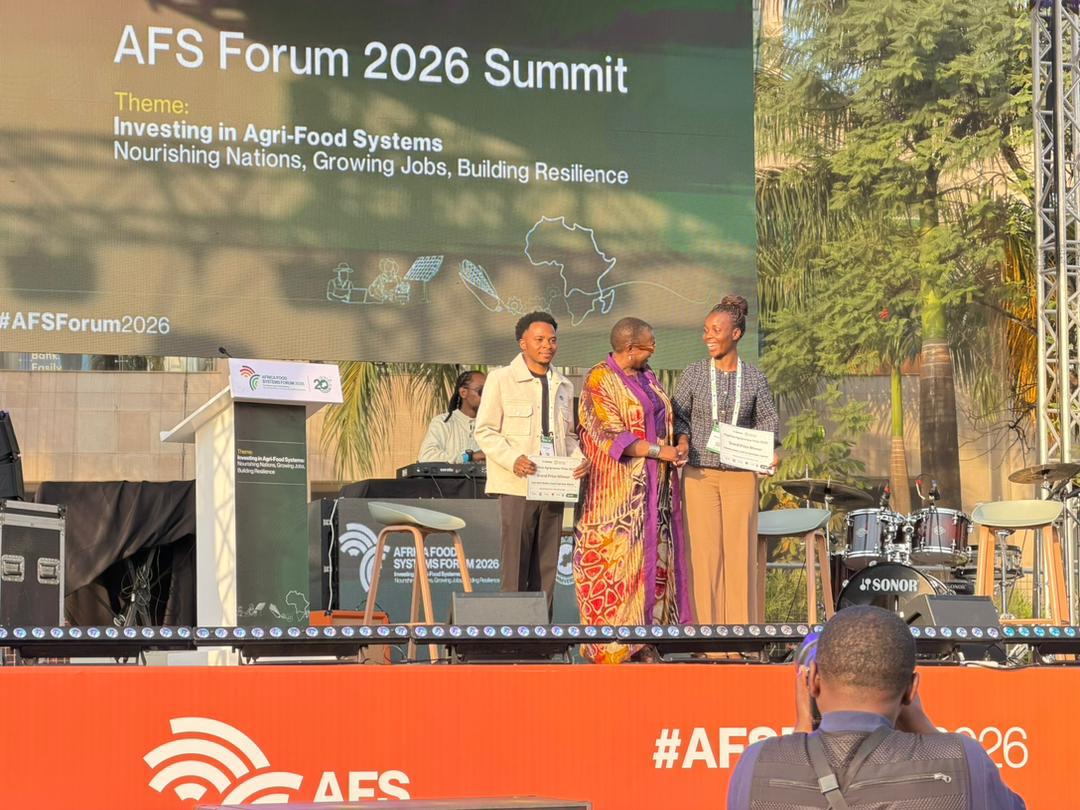
Ugandan Startup SANDI AI Secures $50,000 Prize to Boost Farmer Loan Access
Ugandan startup SANDI AI has won a $50,000 prize for its AI-driven platform designed to help smallholder farmers access loans without traditional collateral. This innovation aims…

Nigerian Innovator Uses AI to Safeguard Catfish Farms from Devastating Water Quality Issues
A Nigerian innovator developed an AI-powered device, Aquamanne, to help local fish farmers monitor water quality and prevent mass fish deaths. The system provides real-time alerts…
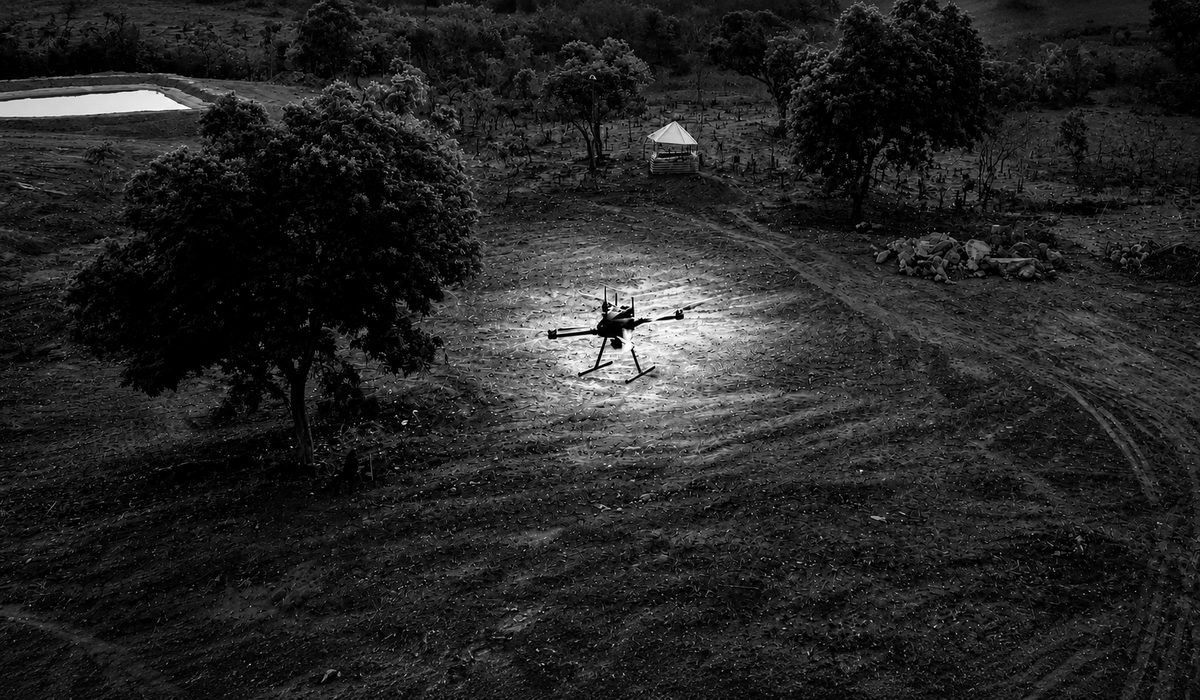
Nigerian AI Startup Secures $2M Deals to Protect Lithium Mines, Raising Data Sovereignty Questions
Nigerian defense-tech startup Terra Industries has secured $2 million in contracts to deploy AI-powered autonomous security systems at lithium mining sites across Nigeria. These…

Injini Launches AI-Focused EdTech Accelerator for Southern African Startups
Injini, an African EdTech accelerator, has launched a $125,000 AI education program for startups in nine Southern African countries. The initiative will support early-stage teams…
The dispatch
One email a day. The AI stories shaping Africa.
Rewritten for clarity, sourced always. No spam; unsubscribe anytime.