African Leaders Explore Sustainable AI Strategies at UNESCO-World Bank Summit

African nations are increasingly focusing on integrating artificial intelligence into their national development strategies, prompting a critical examination of the technology's environmental footprint. In response, UNESCO and the World Bank recently convened a workshop in Conakry, Guinea, bringing together ICT policymakers, regulators, and industry leaders from across the continent. The primary objective was to guide these stakeholders in developing "Green AI" pathways, ensuring that AI development in Africa is both innovative and environmentally responsible.
The workshop highlighted the often-overlooked environmental costs associated with AI deployment, such as significant energy, water, and land consumption. Discussions centered on two complementary approaches: "Greening AI," which involves enhancing the resource efficiency of AI systems themselves, and "Greening with AI," which focuses on leveraging AI to achieve broader environmental and sustainability goals. This dual perspective is crucial for African countries aiming to harness AI for progress without exacerbating ecological challenges.
Key technical insights were shared, including findings from UNESCO's report, "Smarter, Smaller, Stronger." The report detailed methods like model compression (e.g., quantization), which can drastically reduce energy consumption by up to 44%, and the efficiency benefits of shorter prompts and outputs. Emphasizing the utility of task-specific Small Language Models (SLMs) over larger counterparts, experts showed how SLMs could offer up to 90% energy savings while maintaining accuracy, a particularly relevant consideration for low-resource environments prevalent in many African contexts.
Beyond technical solutions, the workshop stressed the vital role of policy. Participants discussed how national digital and AI policies, alongside sectoral policies governing water, energy, and environmental management, are essential for fostering Green AI. The World Bank presented diverse case studies, including Nigeria, to demonstrate how varied policy frameworks can effectively promote sustainable AI practices.
This collaborative effort, held as part of the 7th Transform Africa Summit, underscores a growing regional commitment to building an AI-ready digital future that aligns with global climate action goals. By supporting African countries in developing inclusive and sustainable AI ecosystems and strengthening capacities for green digital transformation, UNESCO and the World Bank are facilitating a balanced approach to technological advancement on the continent.
More in policy
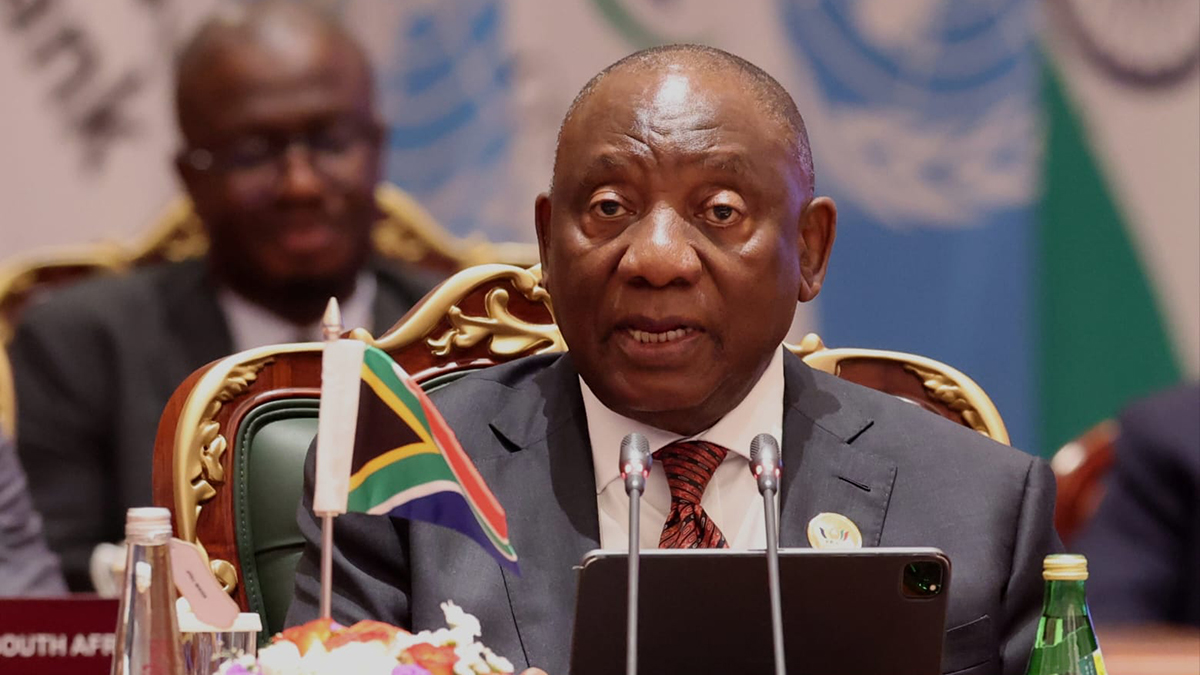
South Africa Leads BRICS Call for Global AI Governance and Independent Evaluation
South Africa, through President Cyril Ramaphosa, is advocating for a robust international framework for AI governance within the BRICS bloc, including independent scientific…
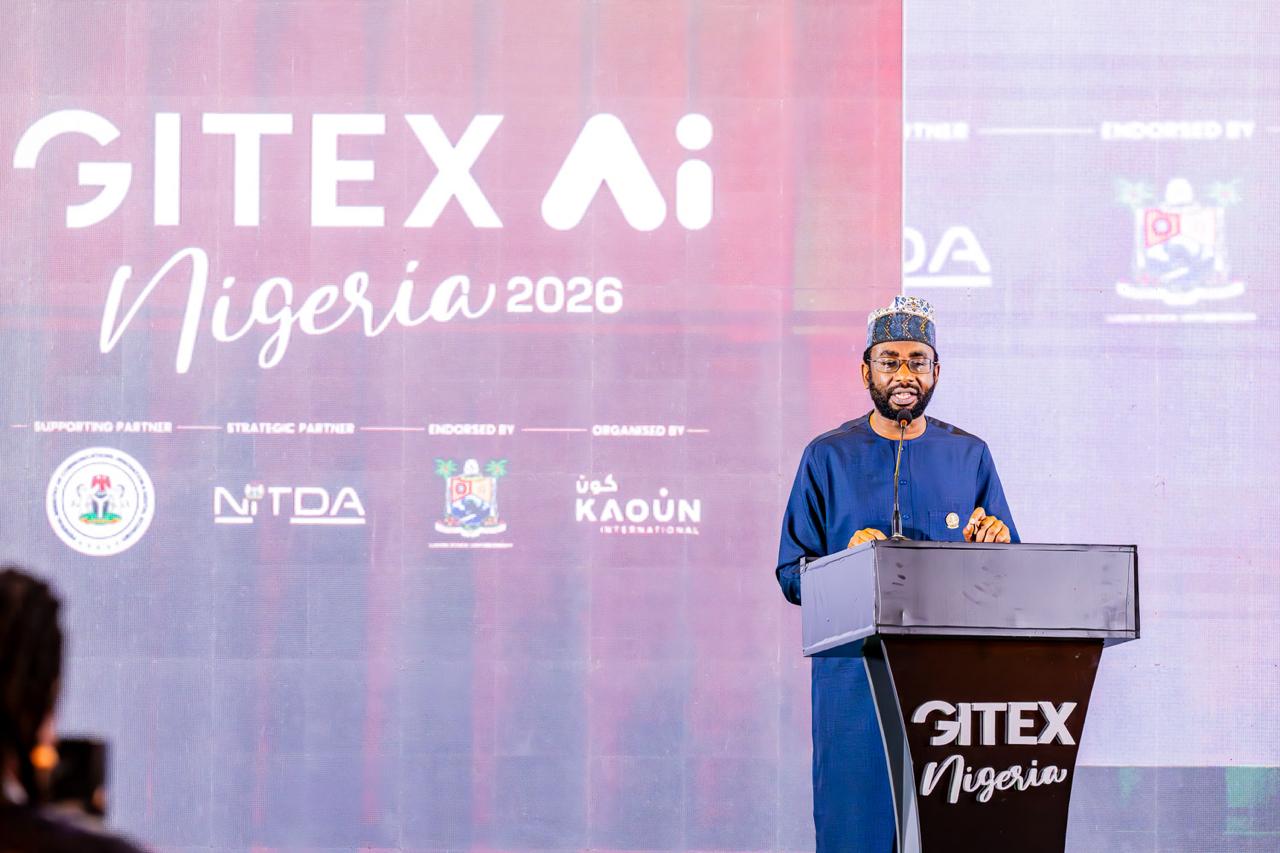
GITEX Nigeria Emphasizes Sovereign AI and Digital Transformation for a $1 Trillion Economy
GITEX Nigeria, a major tech and AI event, has launched in Abuja with a strong focus on advancing the nation's digital transformation and sovereign AI ambitions. Nigerian leaders…

Kenyan Political Operative Used Anthropic's Claude for AI-Generated Election Propaganda
A Kenyan political operative leveraged Anthropic's Claude AI to mass-produce social media propaganda ahead of the 2027 general election, praising government figures and targeting…

Anthropic Uncovers AI-Powered Political Influence Campaign in Kenya
A report by Anthropic details an AI-driven political influence operation in Kenya that used the Claude model to generate social media posts supporting the government and attacking…
The dispatch
One email a day. The AI stories shaping Africa.
Rewritten for clarity, sourced always. No spam; unsubscribe anytime.