Zimbabwe Urged to Harness Digital Agriculture and AI for Climate Resilience in Smallholder Farming
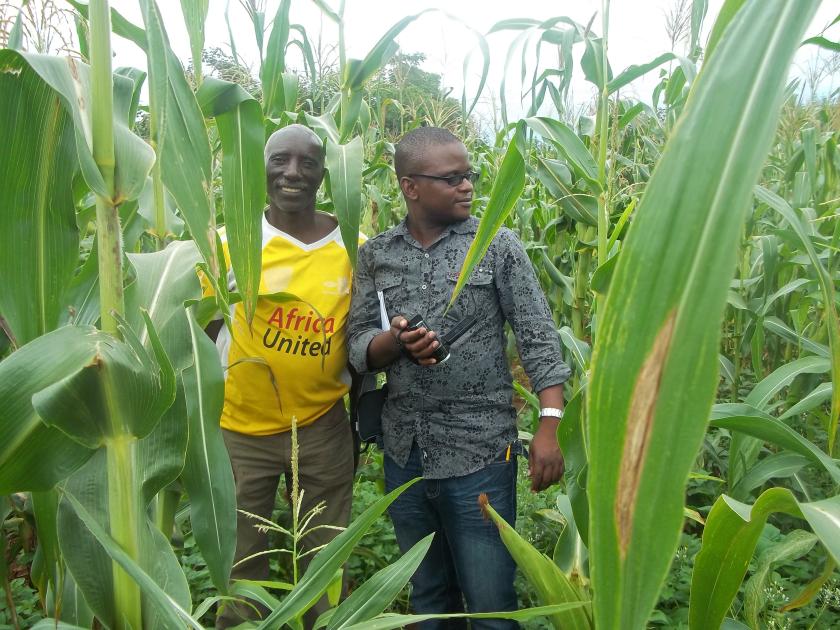
A policy brief from the United Nations University Institute for Water, Environment and Health (UNU-INWEH) highlights the critical role of smallholder farmers in Zimbabwe's food systems and rural livelihoods. Despite their importance, these farmers face significant structural barriers that impede productivity, resilience, and income generation, particularly in the face of increasing climate variability. The brief underscores how these challenges lead to a pronounced gap in rural resilience and hinder the country's progress towards Sustainable Development Goals related to poverty, hunger, gender equality, and climate action.
The document identifies key governance failures, such as fragmented coordination and under-resourced agricultural extension services, which prevent smallholder farmers from accessing timely climate and market information. These deficiencies limit local risk management capabilities and accelerate resource degradation. The UNU-INWEH analysis evaluates critical thresholds for technological adoption by assessing connectivity gaps, affordability, and digital literacy, noting that existing disparities disproportionately affect women and resource-constrained farmers.
The brief points out that while smartphone penetration in sub-Saharan Africa is projected to reach 64% by 2025, the exclusion of vulnerable groups remains a significant concern. Without targeted safeguards, digital transformation risks widening socio-economic disparities rather than narrowing them. Policymakers are encouraged to weigh the fiscal implications of subsidizing rural connectivity against the long-term costs of agricultural vulnerability.
To address these trade-offs, the policy brief proposes an operational framework aligned with Zimbabwe's National Development Strategy 1 (2021-2025) and the Comprehensive Africa Agriculture Development Programme. This framework advocates for integrated planning, focusing on the deployment of off-grid digital infrastructure and enhancing the efficiency of financial and agricultural advisory services. It emphasizes the importance of maximizing synergies between state entities and private service providers to build sustainable and inclusive platforms.
Ultimately, the UNU-INWEH brief issues a prescriptive call for a whole-of-government approach, suggesting the establishment of a national inter-ministerial task force. This coordinated effort, coupled with evidence-based interventions, is deemed essential for securing equitable and climate-resilient agrifood systems across Zimbabwe, ensuring that digital and AI advancements benefit all segments of the farming community.
More in policy

South Africa Leads BRICS Call for Global AI Governance and Independent Evaluation
South Africa, through President Cyril Ramaphosa, is advocating for a robust international framework for AI governance within the BRICS bloc, including independent scientific…
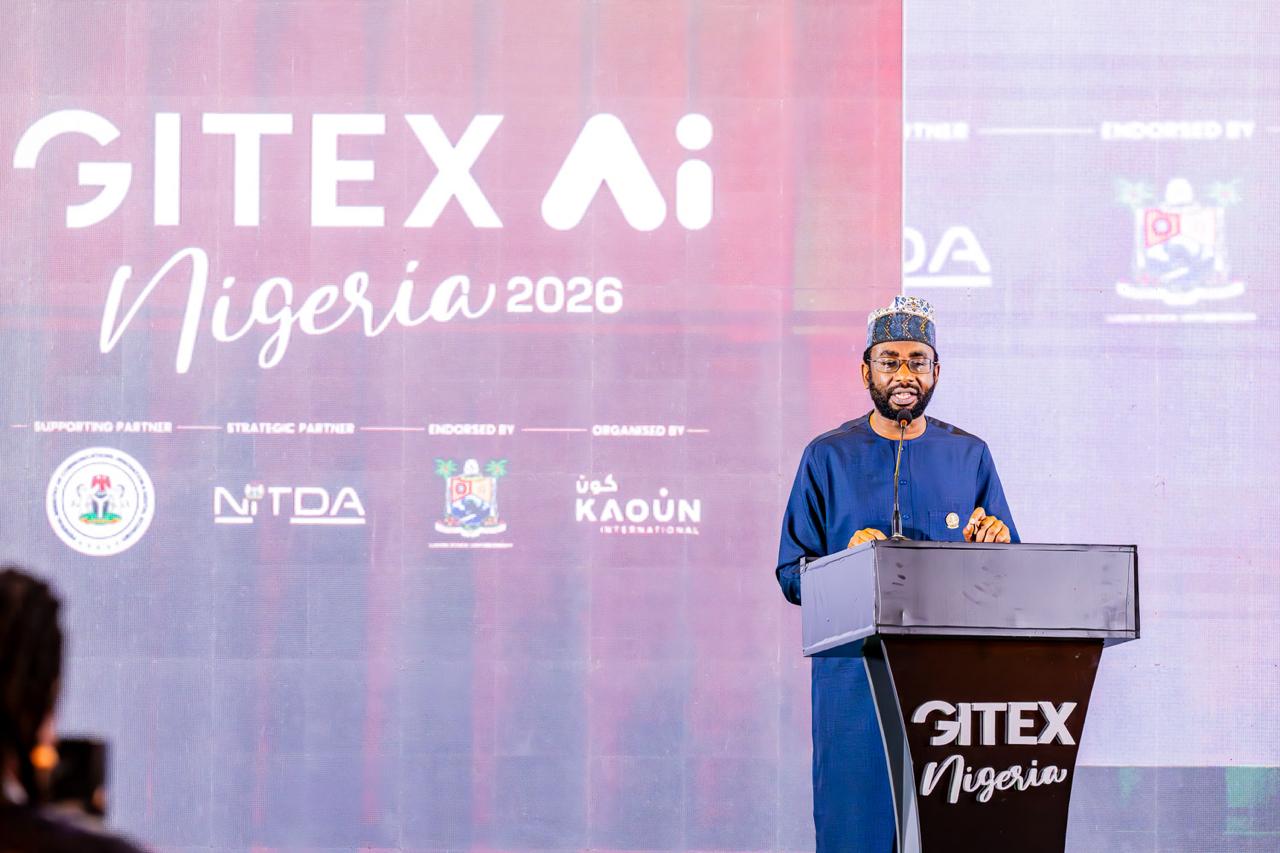
GITEX Nigeria Emphasizes Sovereign AI and Digital Transformation for a $1 Trillion Economy
GITEX Nigeria, a major tech and AI event, has launched in Abuja with a strong focus on advancing the nation's digital transformation and sovereign AI ambitions. Nigerian leaders…

Kenyan Political Operative Used Anthropic's Claude for AI-Generated Election Propaganda
A Kenyan political operative leveraged Anthropic's Claude AI to mass-produce social media propaganda ahead of the 2027 general election, praising government figures and targeting…

Anthropic Uncovers AI-Powered Political Influence Campaign in Kenya
A report by Anthropic details an AI-driven political influence operation in Kenya that used the Claude model to generate social media posts supporting the government and attacking…
The dispatch
One email a day. The AI stories shaping Africa.
Rewritten for clarity, sourced always. No spam; unsubscribe anytime.