Kenyan Startups Receive Funding to Develop AI-Powered EdTech for Vulnerable Learners
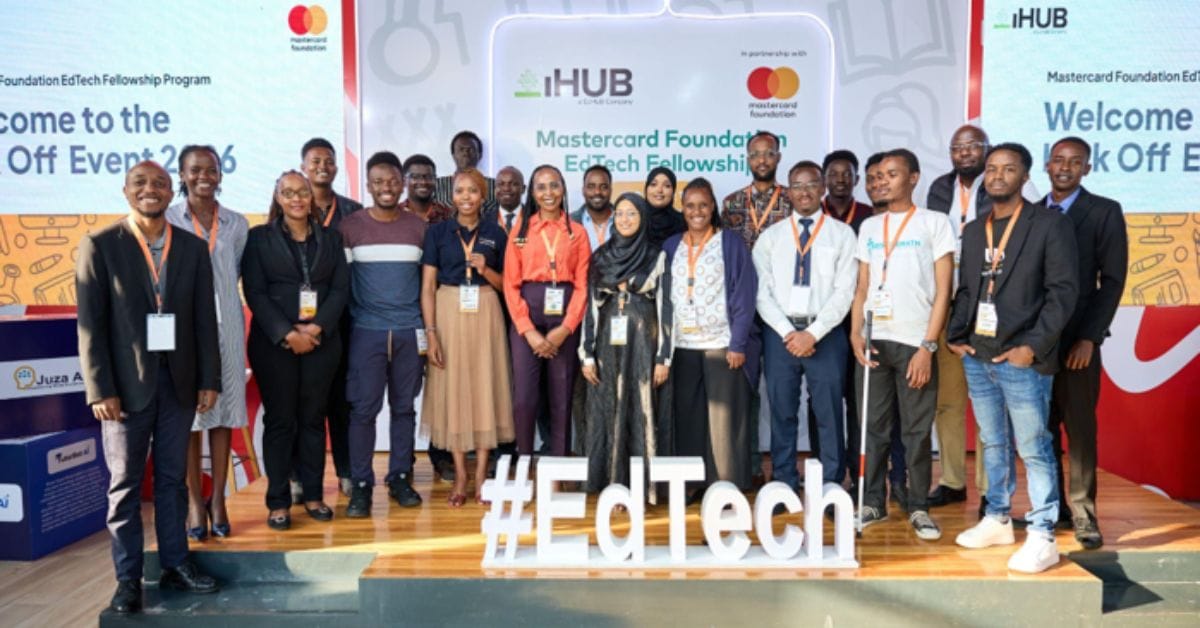
iHUB and the Mastercard Foundation have selected 12 early-stage Kenyan startups for an 18-month EdTech fellowship, providing up to $100,000 in equity-free funding and extensive technical support. This cohort specifically targets the development of assistive technologies and AI-supported learning products designed for learners with disabilities, refugees, displaced communities, girls, young women, and individuals in rural and underserved areas. This marks a strategic shift from previous cohorts, which focused on growth-stage companies.
Six of the chosen startups are dedicated to creating assistive technologies and specialized educational products for learners with disabilities, including solutions for sign language and digital skills. Four others are developing multilingual, offline, and AI-supported learning tools for refugees and those in remote areas, addressing the critical challenge of limited connectivity in East Africa. The remaining two focus on entrepreneurial and digital skills for girls and young women.
The program emphasizes evidence generation and pilot testing, directly addressing a significant gap in the EdTech sector within low- and middle-income countries, where over 93% of products lack proven learning impact. The equity-free funding model also tackles the issue of limited venture capital investment in African EdTech, which currently receives only 2% of global funding. This initiative aims to foster sustainable businesses that can create meaningful and impactful learning experiences for historically excluded populations.
This fellowship is part of a broader wave of AI and digital skills programs across Africa, but it distinguishes itself by its focus on underserved populations. While many programs aim for large-scale reach through existing digital channels, iHUB's cohort specifically targets those structurally missed by such initiatives. The success of this 18-month program will be measured by its ability to produce durable products and generate robust evidence of their effectiveness for these vulnerable groups.
Source
More in business
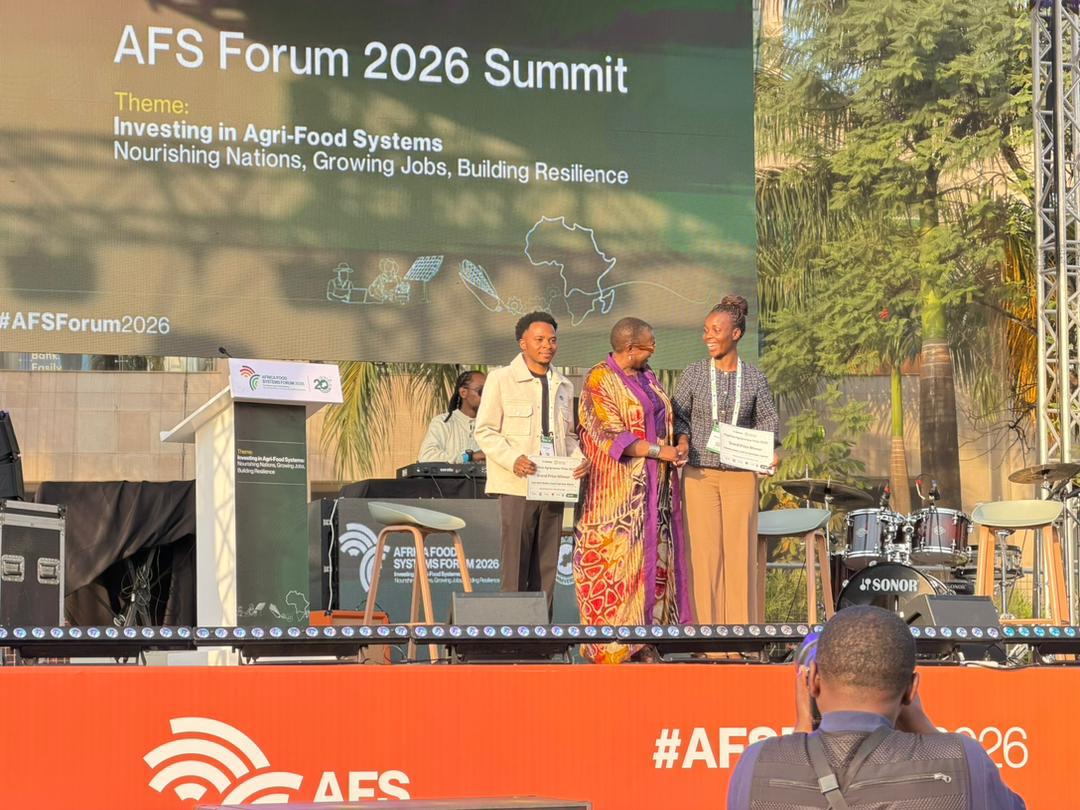
Ugandan Startup SANDI AI Secures $50,000 Prize to Boost Farmer Loan Access
Ugandan startup SANDI AI has won a $50,000 prize for its AI-driven platform designed to help smallholder farmers access loans without traditional collateral. This innovation aims…

Nigerian Innovator Uses AI to Safeguard Catfish Farms from Devastating Water Quality Issues
A Nigerian innovator developed an AI-powered device, Aquamanne, to help local fish farmers monitor water quality and prevent mass fish deaths. The system provides real-time alerts…

Nigerian AI Startup Secures $2M Deals to Protect Lithium Mines, Raising Data Sovereignty Questions
Nigerian defense-tech startup Terra Industries has secured $2 million in contracts to deploy AI-powered autonomous security systems at lithium mining sites across Nigeria. These…
Injini Launches AI-Focused EdTech Accelerator for Southern African Startups
Injini, an African EdTech accelerator, has launched a $125,000 AI education program for startups in nine Southern African countries. The initiative will support early-stage teams…
The dispatch
One email a day. The AI stories shaping Africa.
Rewritten for clarity, sourced always. No spam; unsubscribe anytime.