Nigeria's New Crypto Tax Framework Sparks Concerns Among Local Traders

Nigeria has introduced a new virtual asset tax framework, mandating a 1.5% stamp duty on digital asset transfers, alongside other taxes like withholding tax on crypto asset disposal and a 7.5% VAT on services provided by virtual asset service providers (VASPs). These new regulations, announced by the Nigeria Revenue Service (NRS), aim to increase government revenue but are drawing significant criticism from local cryptocurrency traders and companies.
Peer-to-peer (P2P) traders and over-the-counter (OTC) dealers in Nigeria fear that the cumulative effect of these taxes will drastically increase their operating costs. Traders like Joshua Adedeji, who processes substantial weekly volumes, highlight that the 1.5% stamp duty alone could far exceed their current transaction costs and thin profit margins. This concern is particularly acute for day traders and swing traders who rely on small price differences and high transaction volumes to generate income.
Industry operators and traders, including Kenny Olawale, express worries that the tax framework will negatively impact the local crypto ecosystem, potentially driving trading activity away from regulated platforms into informal channels. They also point out that the tax applies at multiple stages of a transaction—entry, transfer, and sale—and even when no profit is realized, which differs from approaches in many other jurisdictions where tax is typically triggered by a realized gain. This could stifle the adoption of stablecoins for everyday payments and cross-border transactions, which are increasingly used by non-crypto-native users.
The new regulations pose a significant compliance burden for both individual traders and virtual asset companies. While centralized P2P platforms are tasked with deducting applicable taxes, individual traders and OTC dealers are expected to declare and remit taxes directly. The combined impact of company income tax, VAT, and stamp duties on various revenue streams and transactions is seen as a major challenge that could force some businesses to reduce operations or cease trading altogether, ultimately hindering the growth of Nigeria's nascent crypto economy.
Source
More in policy
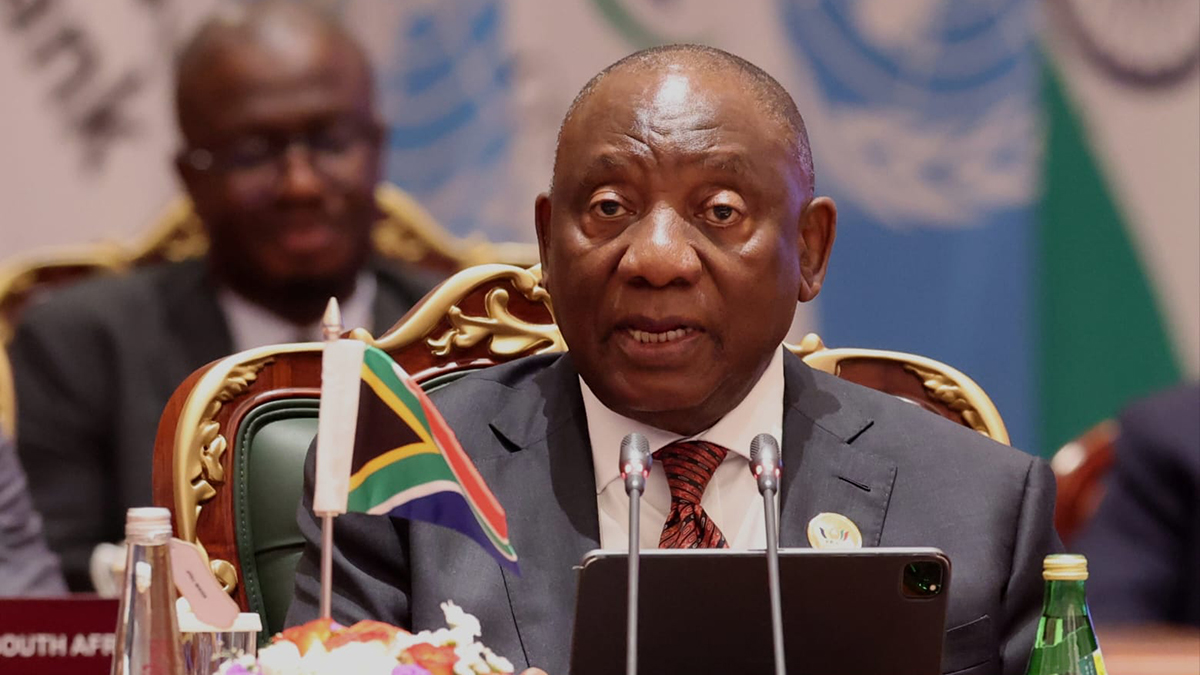
South Africa Leads BRICS Call for Global AI Governance and Independent Evaluation
South Africa, through President Cyril Ramaphosa, is advocating for a robust international framework for AI governance within the BRICS bloc, including independent scientific…
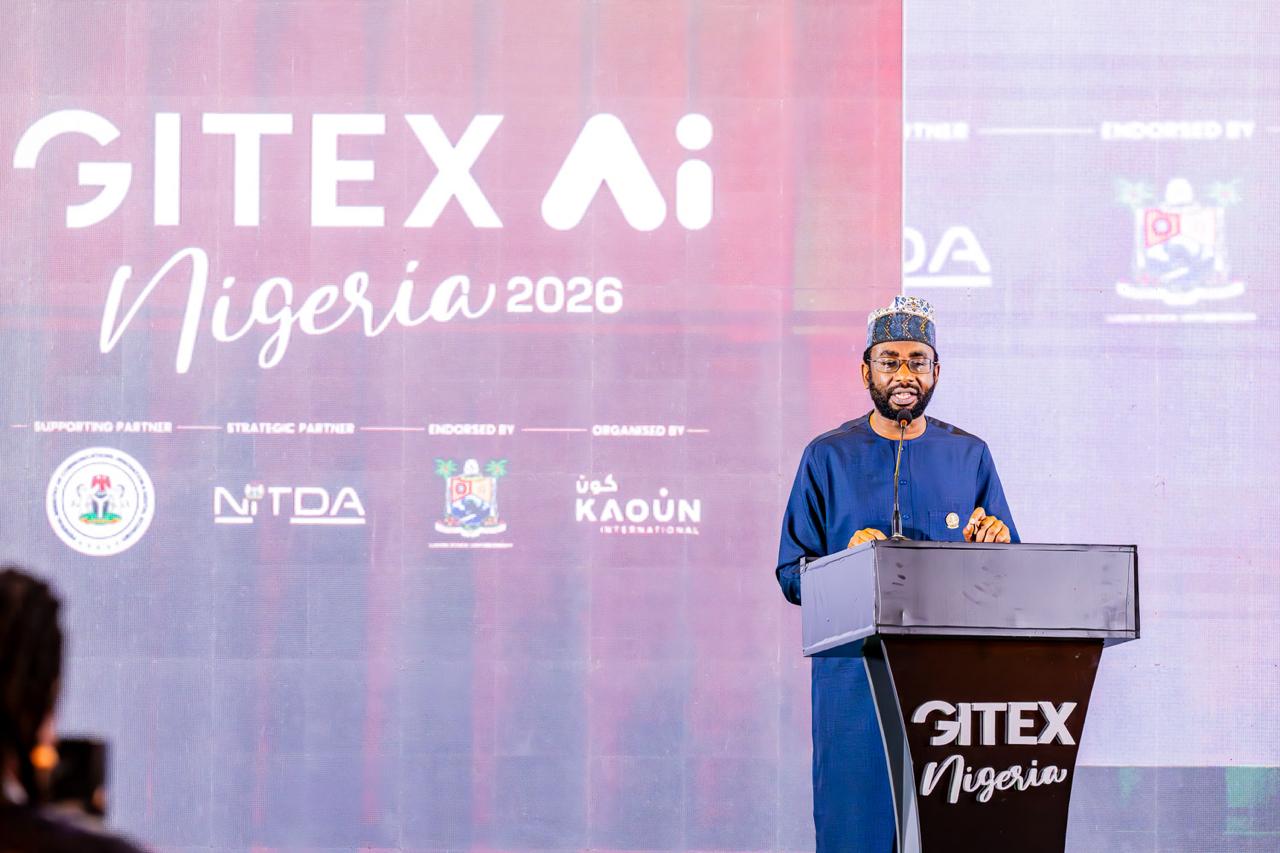
GITEX Nigeria Emphasizes Sovereign AI and Digital Transformation for a $1 Trillion Economy
GITEX Nigeria, a major tech and AI event, has launched in Abuja with a strong focus on advancing the nation's digital transformation and sovereign AI ambitions. Nigerian leaders…

Kenyan Political Operative Used Anthropic's Claude for AI-Generated Election Propaganda
A Kenyan political operative leveraged Anthropic's Claude AI to mass-produce social media propaganda ahead of the 2027 general election, praising government figures and targeting…

Anthropic Uncovers AI-Powered Political Influence Campaign in Kenya
A report by Anthropic details an AI-driven political influence operation in Kenya that used the Claude model to generate social media posts supporting the government and attacking…
The dispatch
One email a day. The AI stories shaping Africa.
Rewritten for clarity, sourced always. No spam; unsubscribe anytime.