Africa's Growing Influence in Global AI Governance Confronts Persistent Infrastructure Deficit
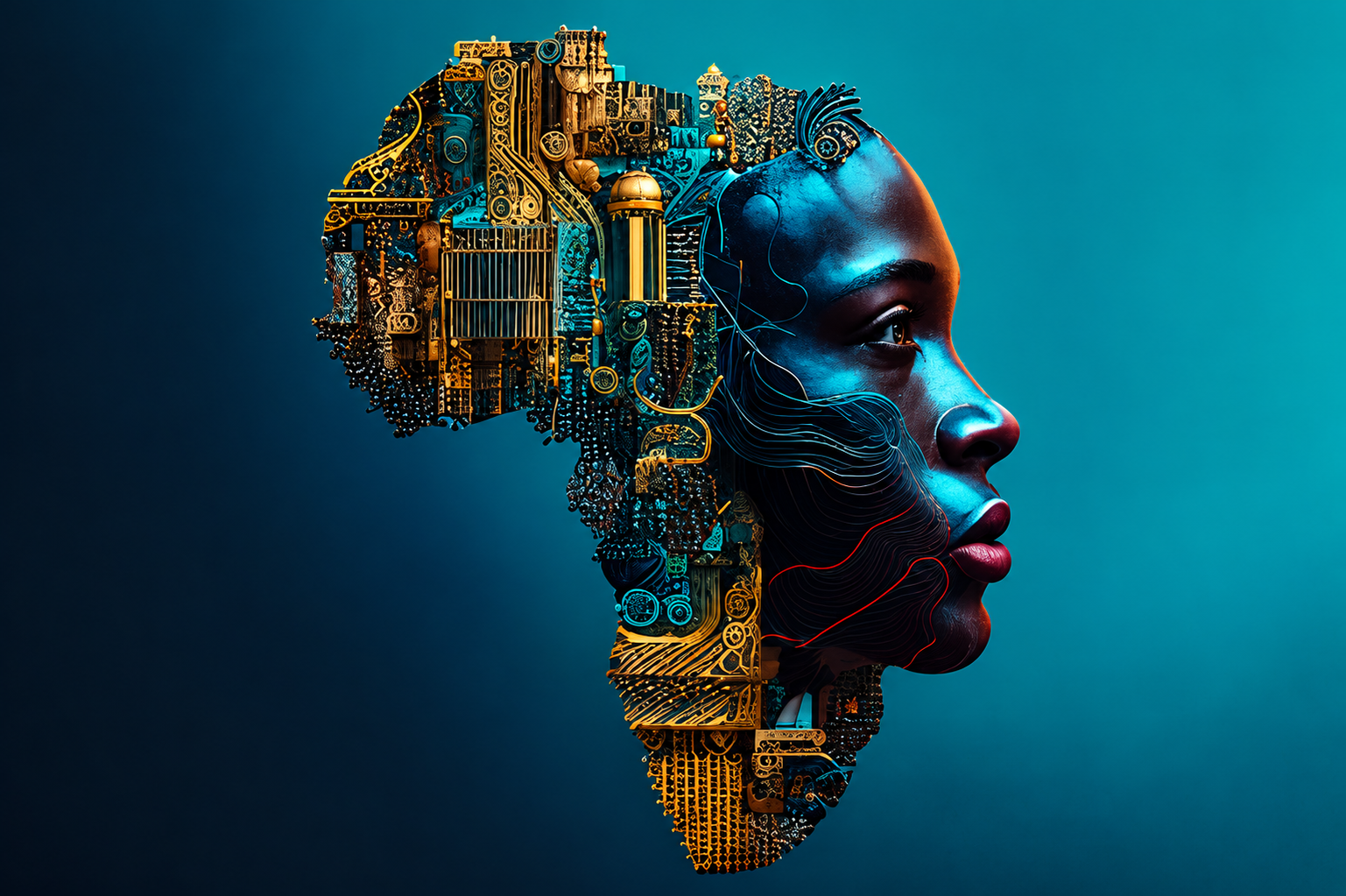
African nations have significantly strengthened their voice in global artificial intelligence governance, marked by key appointments and increased participation at recent UN-hosted summits in Geneva. Rwandan President Paul Kagame was named co-chair of the new AI for Good Global Commission, alongside representation from the African Union, major African telecommunication companies like MTN Group and Orange, and policymakers from Nigeria and Namibia. This elevated presence signifies a shift towards Africa actively shaping global AI policy rather than merely reacting to it, building on existing national AI strategies in countries like Kenya, Ghana, and Nigeria.
The Geneva events also saw substantial commitments towards digital development, with the ITU's Partner2Connect Digital Coalition surpassing its US$100 billion fundraising target. Africa was a prominent beneficiary, notably with South African operator Telkom pledging R100 million to establish an AI Institute focused on skills development. While these pledges underscore international support for expanding digital connectivity and inclusion across developing regions, they represent only a fraction of the trillions required globally to achieve universal and meaningful connectivity by 2030, highlighting the scale of ongoing investment needs.
Despite these gains in representation and digital connectivity pledges, a critical challenge for Africa's AI ambitions remains largely unaddressed: access to advanced AI computing infrastructure. Discussions leading up to the summits emphasized the continent's need for high-performance computing resources, trusted datasets, and modern AI infrastructure to build and deploy sophisticated AI systems. However, the Geneva meetings concluded without any concrete frameworks or announcements for shared compute facilities, dedicated GPU allocation programs, or multilateral mechanisms to bridge this significant infrastructure gap.
This lack of progress on compute access reflects a broader global disparity, where AI infrastructure is heavily concentrated in a few technology companies and countries. Unequal access to these capabilities risks exacerbating existing global inequalities, particularly for developing nations that lack both the technical expertise and the foundational infrastructure. According to Stanford's 2025 AI Index Report, only a small share of corporate AI investment is directed towards Africa, further widening this gap.
As African governments simultaneously pursue digital sovereignty and advocate for greater participation in global AI partnerships, the focus now shifts from declarations to tangible implementation. Key indicators for the coming year include whether the AI for Good Global Commission delivers measurable programs, if practical mechanisms for expanding AI compute access emerge, and how many African countries translate the African Union's Continental AI Strategy into funded national programs, ensuring that increased representation is matched by greater access to the resources essential for AI innovation.
Source
More in policy
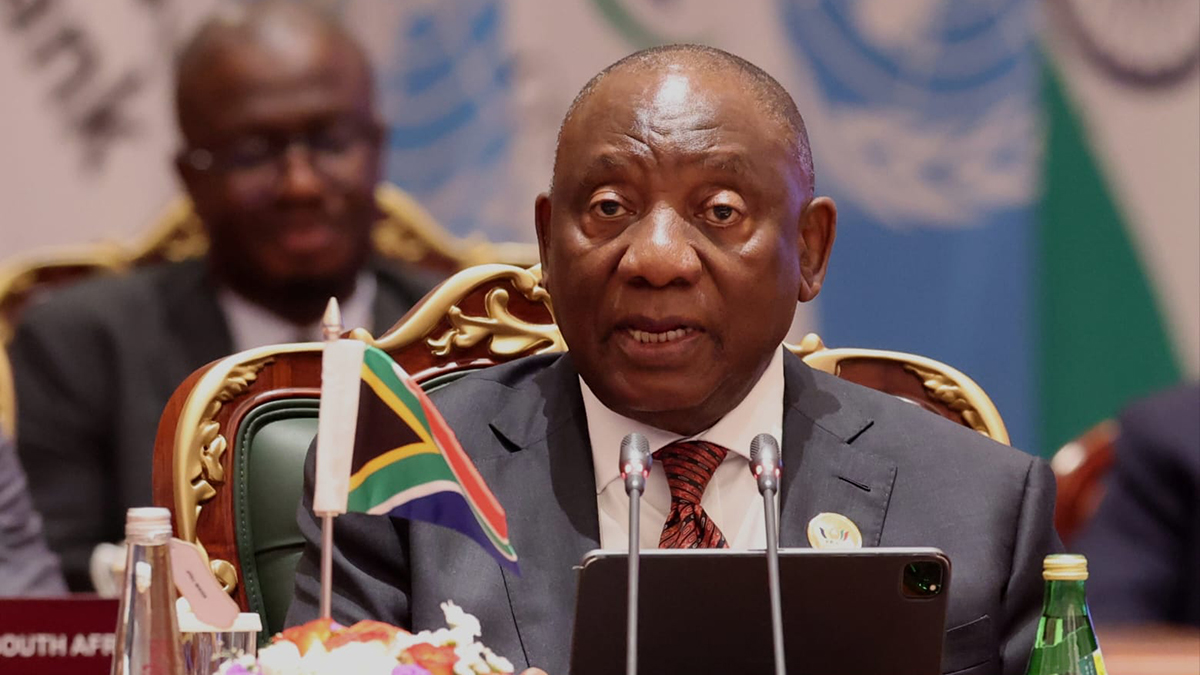
South Africa Leads BRICS Call for Global AI Governance and Independent Evaluation
South Africa, through President Cyril Ramaphosa, is advocating for a robust international framework for AI governance within the BRICS bloc, including independent scientific…
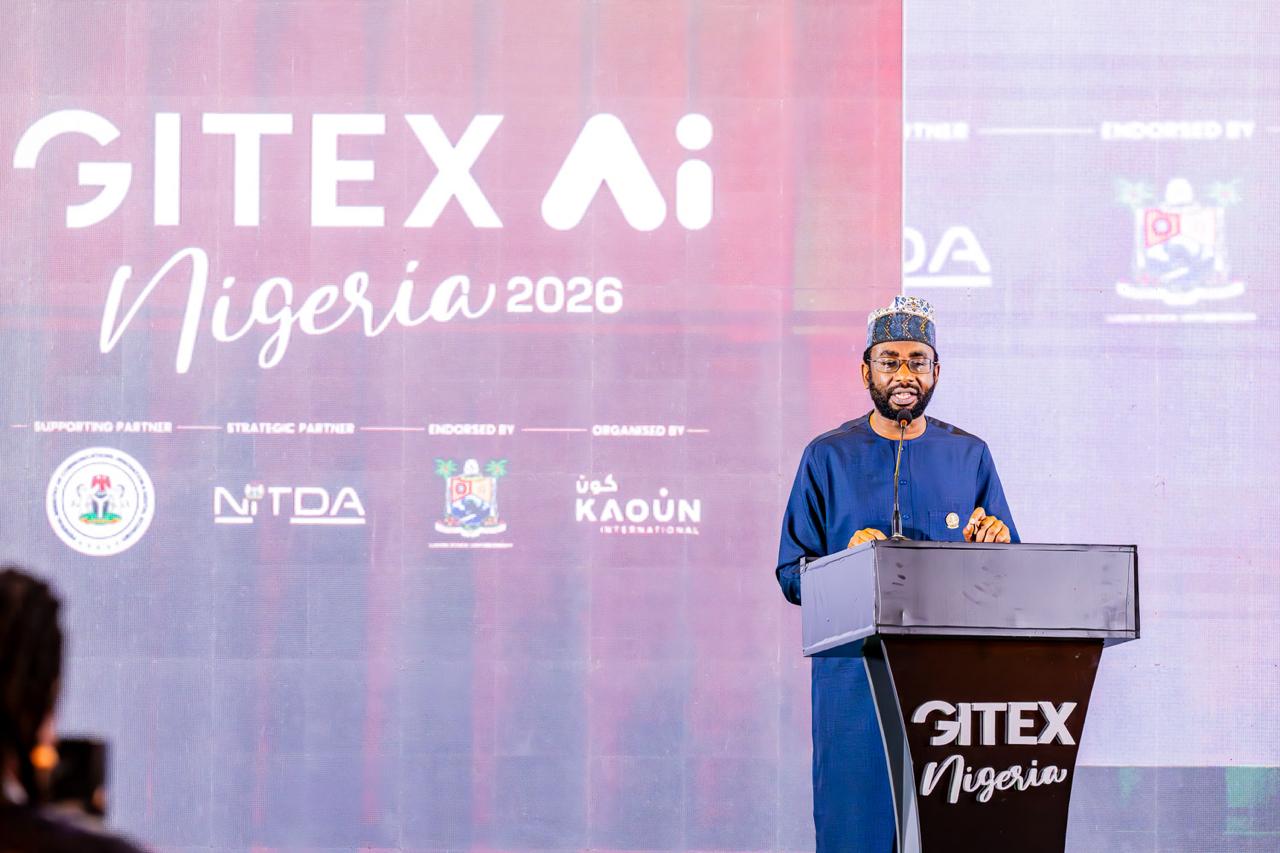
GITEX Nigeria Emphasizes Sovereign AI and Digital Transformation for a $1 Trillion Economy
GITEX Nigeria, a major tech and AI event, has launched in Abuja with a strong focus on advancing the nation's digital transformation and sovereign AI ambitions. Nigerian leaders…

Kenyan Political Operative Used Anthropic's Claude for AI-Generated Election Propaganda
A Kenyan political operative leveraged Anthropic's Claude AI to mass-produce social media propaganda ahead of the 2027 general election, praising government figures and targeting…

Anthropic Uncovers AI-Powered Political Influence Campaign in Kenya
A report by Anthropic details an AI-driven political influence operation in Kenya that used the Claude model to generate social media posts supporting the government and attacking…
The dispatch
One email a day. The AI stories shaping Africa.
Rewritten for clarity, sourced always. No spam; unsubscribe anytime.