Kenya Proposes Investor Residency Program to Boost Tech and Startup Ecosystem

Kenya is actively pursuing a "golden visa" scheme, a residency-by-investment program designed to attract and retain foreign capital and talent. This initiative, spearheaded by the Kenya Investment Authority, aims to grant long-term residency to investors committing significant capital and creating jobs, a plan previously considered in 2019 but never implemented. The move underscores Kenya's ambition to solidify Nairobi's standing as East Africa's premier investment hub.
The proposed permanent residency offers a crucial advantage for venture capital firms and startup founders. Unlike traditional foreign direct investment, venture capital necessitates a strong local presence, with partners often needing to reside in-market to sit on boards, recruit talent, and closely support portfolio companies. Current immigration processes and work permit renewals can be cumbersome, and a streamlined path to long-term residency would significantly reduce administrative burdens, making Kenya a more attractive base for regional operations.
This policy shift positions Kenya competitively against other African investment hubs like Cape Town, Kigali, and Mauritius, which have already implemented investor-friendly immigration policies. By offering greater immigration certainty, Kenya seeks to draw in globally mobile investors whose long-term presence and tax contributions are vital for sustained economic growth. The initiative is particularly timely given Kenya's recent success in attracting substantial venture capital, leading the continent in startup funding in both 2025 and the first half of 2026, largely driven by fintech, climate, and enterprise software sectors.
For the African tech ecosystem, this program holds significant promise. By facilitating easier access and long-term stability for international investors and entrepreneurs, Kenya can further accelerate the growth of its vibrant startup scene. This influx of capital and expertise will not only boost innovation across various tech sectors, including those leveraging artificial intelligence, but also foster job creation and knowledge transfer, ultimately strengthening the continent's overall technological advancement and economic resilience.
Source
More in policy
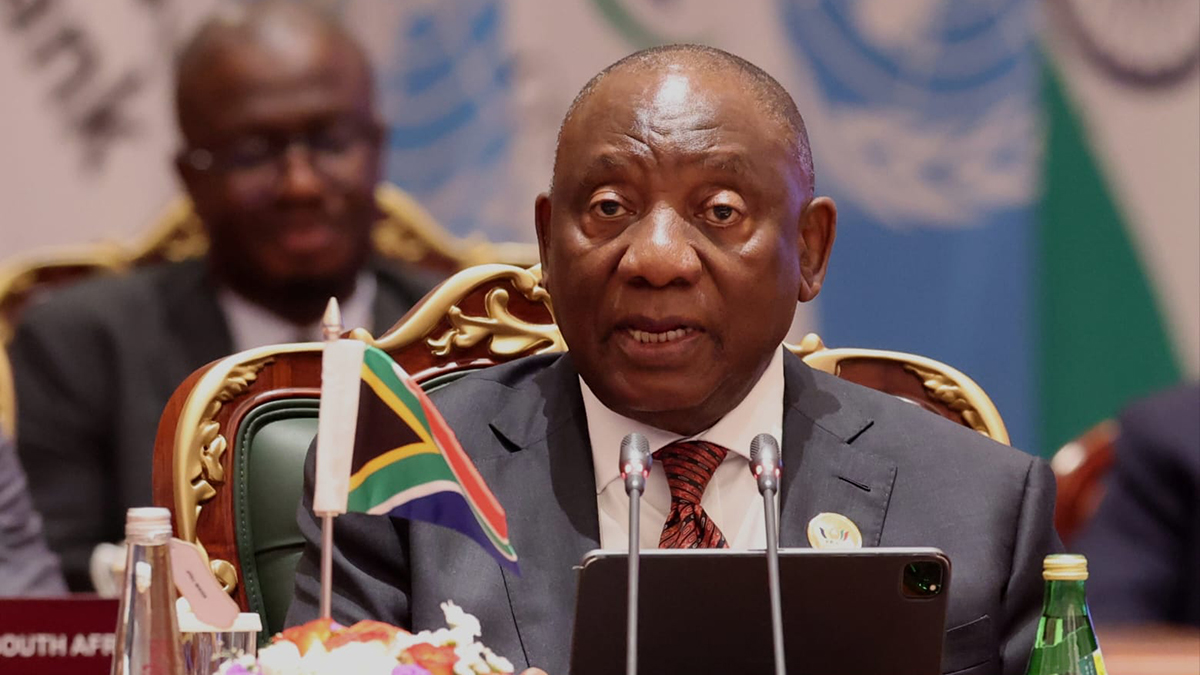
South Africa Leads BRICS Call for Global AI Governance and Independent Evaluation
South Africa, through President Cyril Ramaphosa, is advocating for a robust international framework for AI governance within the BRICS bloc, including independent scientific…
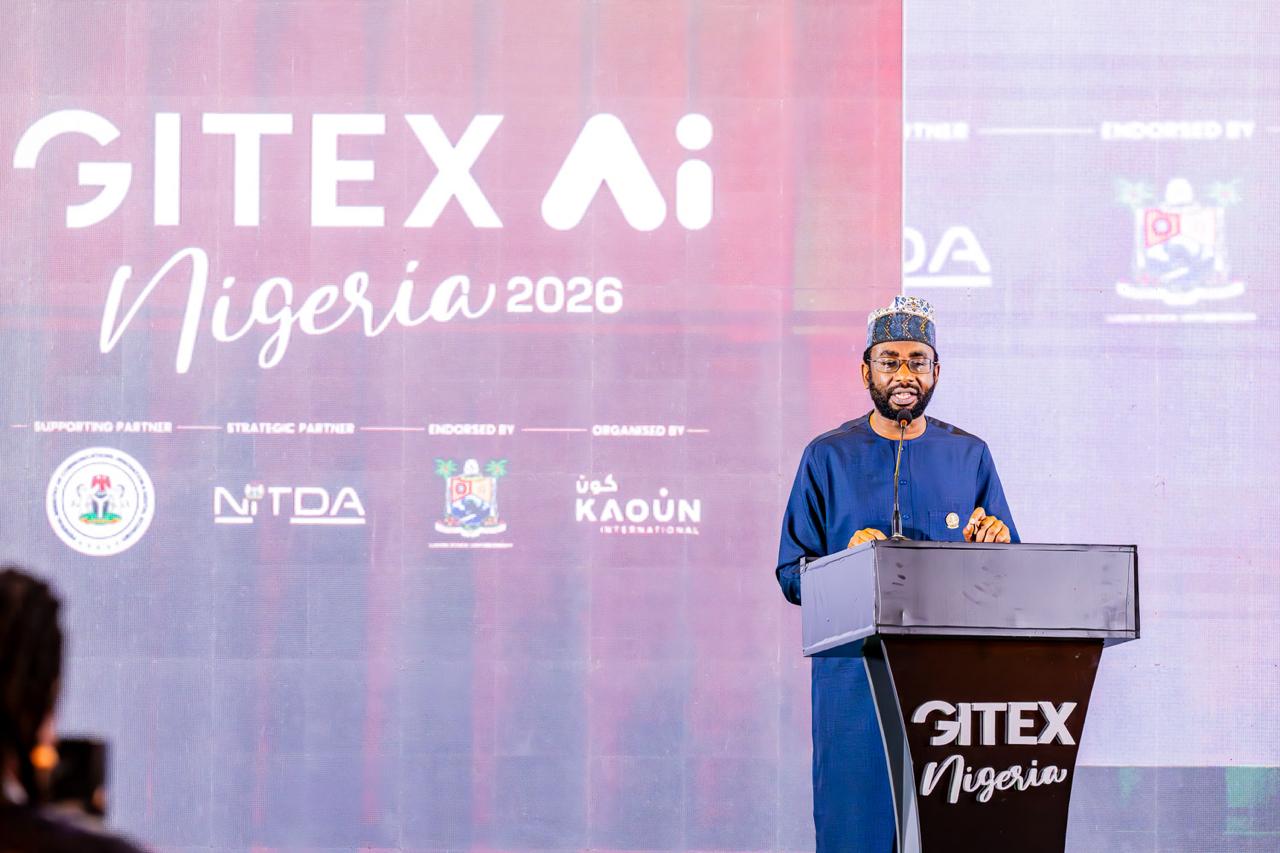
GITEX Nigeria Emphasizes Sovereign AI and Digital Transformation for a $1 Trillion Economy
GITEX Nigeria, a major tech and AI event, has launched in Abuja with a strong focus on advancing the nation's digital transformation and sovereign AI ambitions. Nigerian leaders…

Kenyan Political Operative Used Anthropic's Claude for AI-Generated Election Propaganda
A Kenyan political operative leveraged Anthropic's Claude AI to mass-produce social media propaganda ahead of the 2027 general election, praising government figures and targeting…

Anthropic Uncovers AI-Powered Political Influence Campaign in Kenya
A report by Anthropic details an AI-driven political influence operation in Kenya that used the Claude model to generate social media posts supporting the government and attacking…
The dispatch
One email a day. The AI stories shaping Africa.
Rewritten for clarity, sourced always. No spam; unsubscribe anytime.