Kenya Restricts Stablecoin Interest to Protect Banking System

Kenya has implemented new virtual asset regulations that specifically prohibit interest payments on stablecoins. This measure is a key component of a broader strategy to integrate stablecoins into the country's financial system primarily as payment instruments, rather than as alternatives to traditional bank deposits or savings accounts. The regulations apply to stablecoin issuers and all licensed virtual asset service providers, preventing them from offering any financial benefits tied to the duration a stablecoin is held.
This policy choice reflects Kenya's proactive approach to financial stability. By preventing stablecoins from becoming yield-generating assets, the government aims to safeguard commercial banks' primary funding source: customer deposits. Regulators globally are concerned that widespread adoption of interest-bearing stablecoins could divert funds from traditional banking, potentially impacting lending capacity and overall financial liquidity. Kenya is addressing this potential risk early, before the local market reaches a stage where such a shift could cause significant disruption.
Unlike some jurisdictions, such as parts of the United States where exchanges might still offer yield on stablecoins through various programs, Kenya's prohibition extends across all licensed participants. This creates a uniform regulatory environment, reducing opportunities for firms to market stablecoins primarily based on returns. The framework aligns with Kenya’s broader efforts to enhance oversight of virtual assets, ensuring compliance with anti-money laundering and counter-terrorism financing standards while carefully integrating digital assets.
For crypto businesses operating in Kenya, this means competition will shift towards payment services, technological innovation, customer experience, and compliance, rather than offering passive returns. Consumers can still leverage stablecoins for remittances, cross-border payments, and other digital transactions. However, the clear regulatory stance defines stablecoins as digital payment tools, ensuring they complement rather than directly compete with traditional banking services, thereby maintaining financial stability within the country.
Source
More in policy
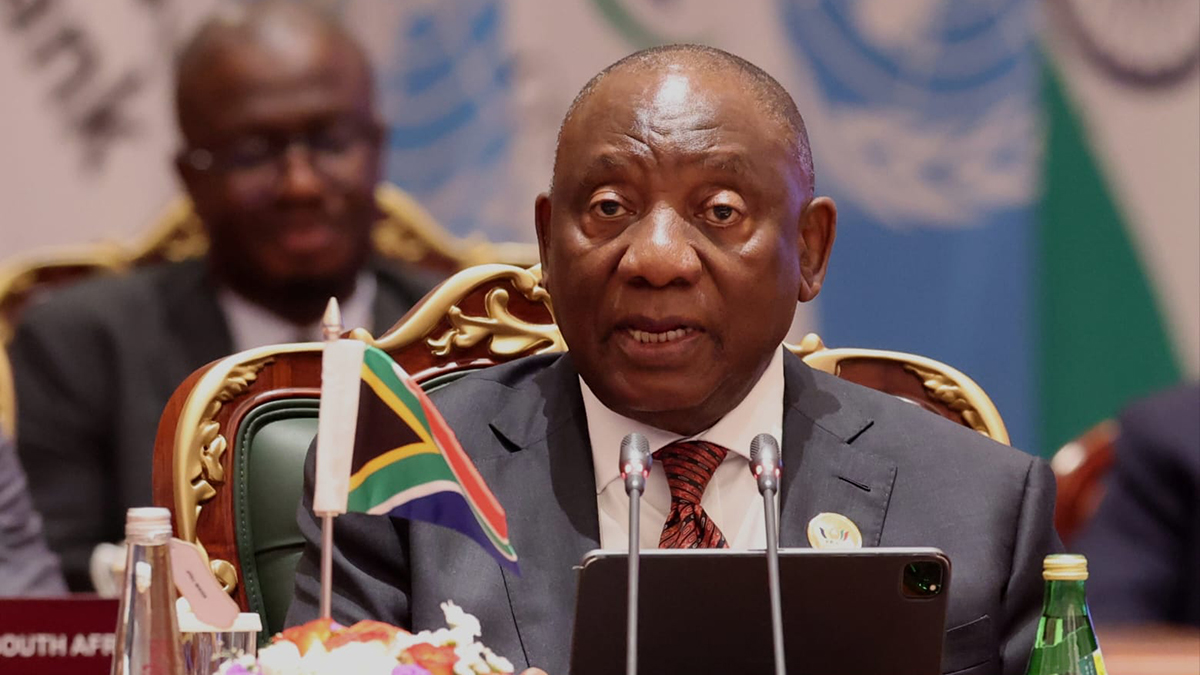
South Africa Leads BRICS Call for Global AI Governance and Independent Evaluation
South Africa, through President Cyril Ramaphosa, is advocating for a robust international framework for AI governance within the BRICS bloc, including independent scientific…
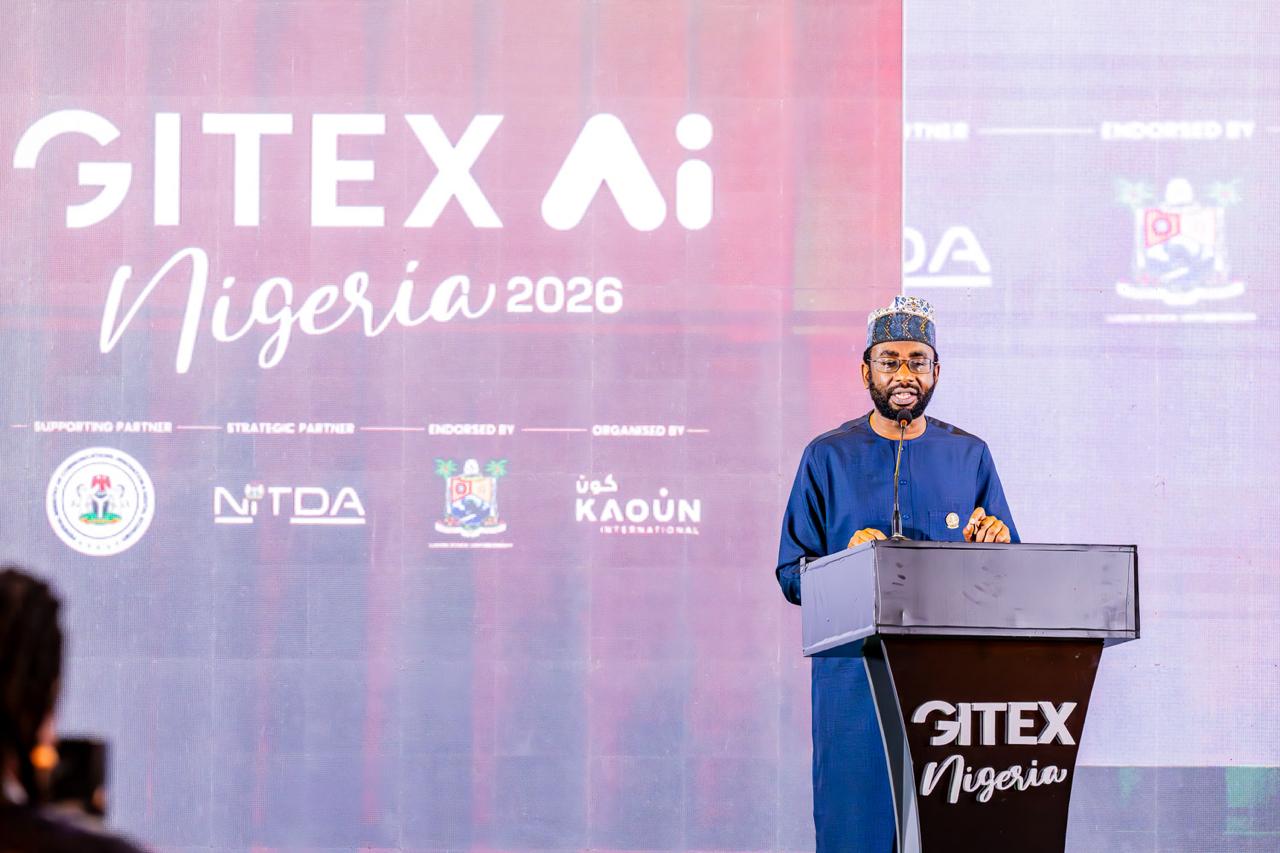
GITEX Nigeria Emphasizes Sovereign AI and Digital Transformation for a $1 Trillion Economy
GITEX Nigeria, a major tech and AI event, has launched in Abuja with a strong focus on advancing the nation's digital transformation and sovereign AI ambitions. Nigerian leaders…

Kenyan Political Operative Used Anthropic's Claude for AI-Generated Election Propaganda
A Kenyan political operative leveraged Anthropic's Claude AI to mass-produce social media propaganda ahead of the 2027 general election, praising government figures and targeting…

Anthropic Uncovers AI-Powered Political Influence Campaign in Kenya
A report by Anthropic details an AI-driven political influence operation in Kenya that used the Claude model to generate social media posts supporting the government and attacking…
The dispatch
One email a day. The AI stories shaping Africa.
Rewritten for clarity, sourced always. No spam; unsubscribe anytime.