Kenya's AI Policy Aims to Localize Value, Not Just Regulate Harm

Kenya is positioning itself as a leader in artificial intelligence on the African continent, as evidenced by its upcoming hosting of the 2027 Responsible AI in the Military Domain summit and its push for sovereign AI infrastructure. The nation's proposed Artificial Intelligence and Emerging Technologies Policy represents a comprehensive blueprint to regulate, build, and commercialize AI, aiming to reshape the economic landscape of AI within Kenya.
Historically, Kenya, like many African nations, has been a consumer rather than a creator of AI technology. While businesses, banks, hospitals, and government agencies have adopted AI tools, the underlying infrastructure, from model development to specialized chips and cloud services, largely originates from foreign entities. This dependence means a significant portion of the economic value generated by AI flows out of Kenya, creating a strategic vulnerability in terms of data sovereignty and national control over digital assets.
In response, Kenya's draft policy classifies AI as strategic national infrastructure, akin to transport and energy sectors. This ambitious approach goes beyond merely mitigating AI-related harms like deepfakes or bias, and instead focuses on who owns the infrastructure, talent, intellectual property, and investment opportunities within the AI ecosystem. The policy advocates for substantial investment in domestic compute capacity, sovereign cloud infrastructure, secure data systems, and sustainable energy to support AI.
This marks a significant shift in Kenya's industrial policy, moving from a market-driven approach to a more interventionist one. The government intends to leverage regulation, public procurement, research funding, and institutional coordination to bolster domestic AI capabilities. This strategy could greatly benefit local data center operators, cloud providers, universities, chip researchers, and companies developing AI solutions tailored for African languages and markets, ultimately aiming to capture more of the AI value chain locally.
Source
More in policy

Mozambique Leads Africa with National AI Education Regulations
Mozambique is drafting pioneering national regulations for AI use across its entire education system, from primary to university, with a focus on generative AI. This makes it the…

South African Data Regulator Grapples with AI's Challenge to Privacy Laws
South Africa's Information Regulator (InfoReg) is navigating the complex privacy implications of AI, finding its existing data protection laws challenged by new technologies. The…
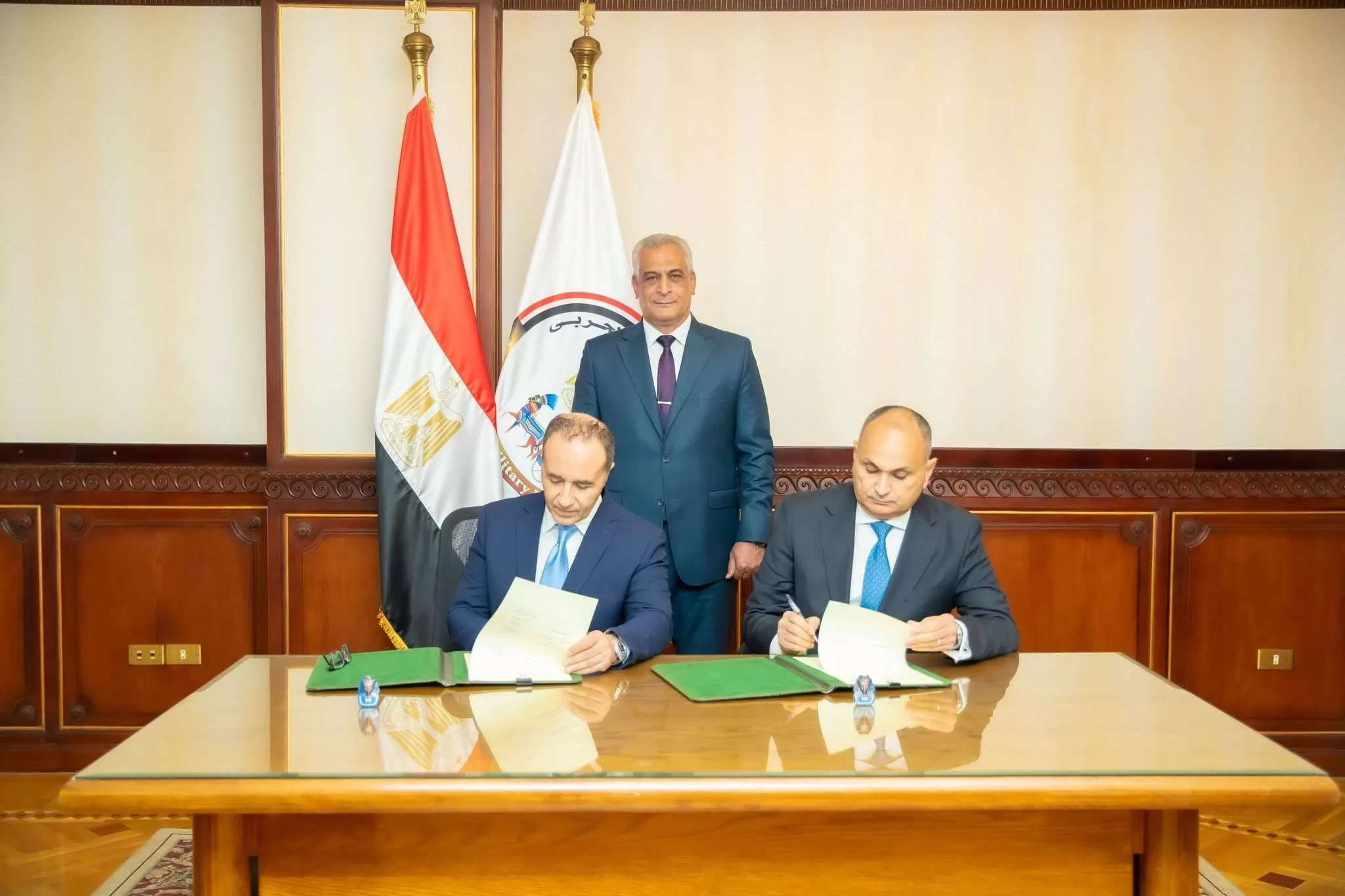
Egypt and Intel Launch Massive AI Skills Initiative Targeting One Million Citizens Annually
Egypt has partnered with Intel on a national initiative to train one million citizens annually in AI skills over three years. This program is a cornerstone of Egypt's National AI…

Gates Foundation Pledges $1 Billion for Equitable AI Development, Prioritizing Global Health and Opportunity
The Gates Foundation's $1 billion pledge for equitable AI development is highly relevant to Africa, focusing on global health, education, and agriculture, areas critical for the…
The dispatch
One email a day. The AI stories shaping Africa.
Rewritten for clarity, sourced always. No spam; unsubscribe anytime.