Kenya Moves to Mandate Minimum Pay for Ride-Hailing Drivers, Signals Broader Digital Platform Regulation
Kenya's Ministry of Roads and Transport has introduced draft regulations aimed at guaranteeing minimum compensation for ride-hailing drivers, a significant step in the country's broader effort to regulate digital platforms. This proposal seeks to ensure drivers receive a base payment per trip, irrespective of distance or promotions, addressing concerns that current fares often fail to cover operating costs and squeeze driver earnings. The government's initiative moves beyond previous measures like capping commissions, directly intervening in the economic model of platform services.
The proposed regulations have met with resistance from transport network companies, which argue that mandating higher minimum payments could lead to increased passenger fares, reduced demand, and ultimately fewer trips for drivers. They also highlight challenges related to the impact on algorithmic pricing flexibility and the perceived lack of transparency in the consultation process, where specific compensation figures were not initially disclosed. The industry fears that such a move could disrupt the delicate balance of supply and demand inherent in ride-hailing marketplaces.
This draft legislation is part of a more extensive policy framework under development, which includes a national pricing framework for both conventional taxis and ride-hailing services. Furthermore, it aligns with recent actions by the Communications Authority to introduce dedicated licensing for app-based courier services. These combined efforts indicate Kenya's intent to establish specialized regulatory frameworks for digital platforms that are increasingly integral to the nation's transport and logistics infrastructure, treating them as essential services rather than just technology companies.
Kenya's approach to regulating digital platforms is becoming clearer, with policymakers looking to benchmark against international models from regions like South Africa, the EU, UK, and Singapore. The immediate focus is on driver compensation and passenger fares, but the long-term goal is to shape a comprehensive framework for governing digital mobility platforms that move people, goods, and services. This evolving regulatory landscape will significantly influence not only the future of ride-hailing but also the wider platform economy across Kenya and potentially serve as a model for other African nations.
Source
More in policy

South Africa Leads BRICS Call for Global AI Governance and Independent Evaluation
South Africa, through President Cyril Ramaphosa, is advocating for a robust international framework for AI governance within the BRICS bloc, including independent scientific…
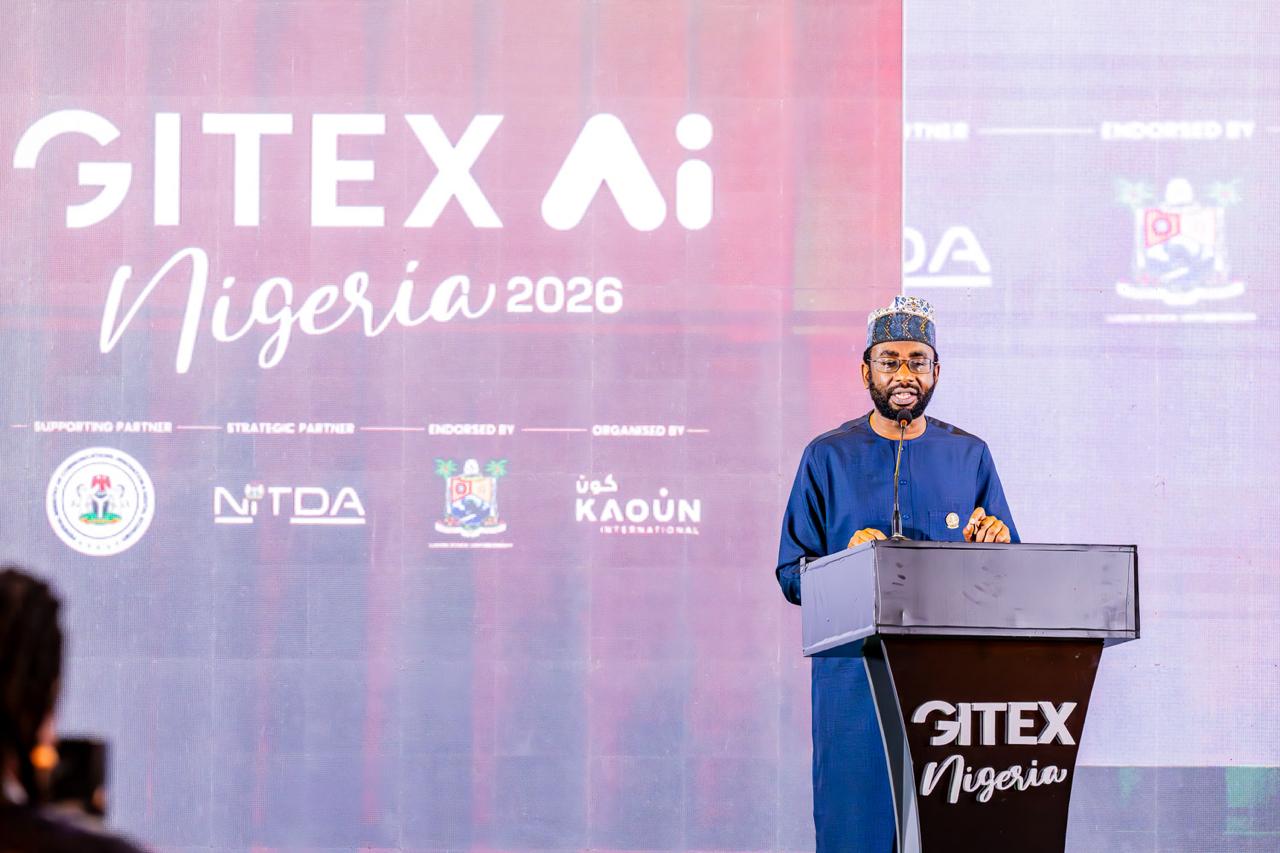
GITEX Nigeria Emphasizes Sovereign AI and Digital Transformation for a $1 Trillion Economy
GITEX Nigeria, a major tech and AI event, has launched in Abuja with a strong focus on advancing the nation's digital transformation and sovereign AI ambitions. Nigerian leaders…

Kenyan Political Operative Used Anthropic's Claude for AI-Generated Election Propaganda
A Kenyan political operative leveraged Anthropic's Claude AI to mass-produce social media propaganda ahead of the 2027 general election, praising government figures and targeting…

Anthropic Uncovers AI-Powered Political Influence Campaign in Kenya
A report by Anthropic details an AI-driven political influence operation in Kenya that used the Claude model to generate social media posts supporting the government and attacking…
The dispatch
One email a day. The AI stories shaping Africa.
Rewritten for clarity, sourced always. No spam; unsubscribe anytime.