Kenya's Competition Authority Boosts Digital Forensics to Regulate AI-Driven Markets

Kenya's Competition Authority (CAK) is proactively adapting its regulatory framework to address the complexities introduced by artificial intelligence (AI) in the market. Recognizing the growing influence of algorithms, big data, and digital platforms, CAK is investing in advanced digital forensic capabilities to investigate potential anti-competitive practices that might be obscured by AI technologies. This move is detailed in their Annual Report, highlighting how traditional investigative methods are becoming insufficient in an increasingly digitized economy.
The CAK's report emphasizes that while AI enhances operational efficiency and automates commercial decisions across sectors like banking, telecommunications, retail, and e-commerce, it also presents new challenges for detecting market distortions. AI-powered systems, such as automated pricing software and predictive analytics, could facilitate tacit coordination among competitors, making practices like price fixing and market allocation harder to uncover. To counter this, the Authority has established a digital forensic laboratory to improve evidence collection and analysis in investigations involving electronic records and digital systems.
This strategic shift by Kenya's competition watchdog aligns with a broader international and continental conversation about AI governance. Regulators globally are exploring how to oversee AI-powered markets without necessarily creating entirely new laws, often adapting existing frameworks. In Africa, there's a growing push to move beyond policy documents towards building practical institutional and enforcement capacities for AI oversight, as noted by the Africa AI Governance Index 2026.
For Africa, Kenya's initiative is significant. It positions the country not only as a hub for AI infrastructure and investment but also as a leader in developing robust regulatory mechanisms to ensure fair competition and consumer protection in the AI era. This proactive approach reflects a continent-wide effort to prepare for both the opportunities and challenges presented by widespread AI adoption, ensuring that technological advancement benefits all market participants.
Source
More in policy

Kenyan Counties Urged to Implement 'Decision-Recovery Drills' for AI Public Services
Kenyan counties should implement 'decision-recovery drills' for AI-powered public services to ensure staff can correct AI errors and provide accurate information to citizens. This…

Togo Pioneers AI Initiative to Digitize Indigenous Languages for Public Services
Togo has launched a pioneering national AI initiative, "Voix du Togo," to digitize its local languages, including Ewe, Kabiyè, and Moba. This program aims to build AI tools that…

Uganda Lays Data Foundation for Future National AI Strategy
Uganda has launched a five-year National Data Strategy, explicitly stating it is foundational for the country's forthcoming National AI Strategy. This move aims to improve data…
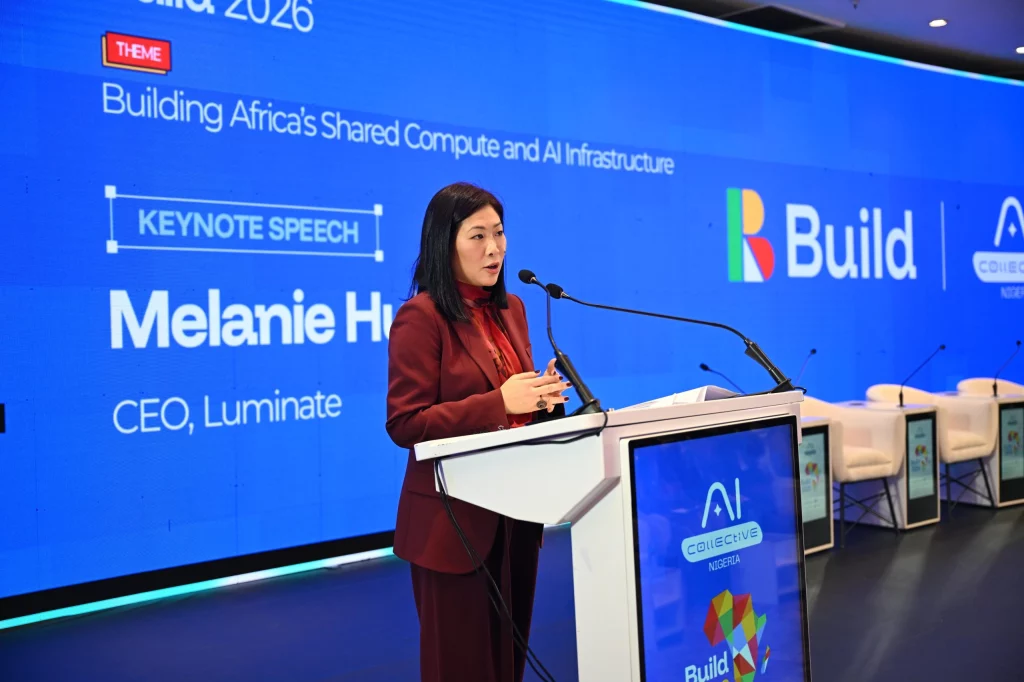
Luminate CEO Urges African Nations to Seize Control of Their Digital Future to Avoid AI Exploitation
Luminate CEO Melanie Hui warned African nations at the Build 2026 Conference in Abuja that they risk exploitation in the global AI economy if they do not secure genuine ownership…
The dispatch
One email a day. The AI stories shaping Africa.
Rewritten for clarity, sourced always. No spam; unsubscribe anytime.