IMF Urges Swift AI Adoption to Unlock 4% GDP Growth Across Africa

The International Monetary Fund (IMF) has released a new report projecting that accelerated adoption of Artificial Intelligence (AI) could significantly boost Africa's Gross Domestic Product (GDP) by as much as 4% over the next decade. This projection stands in stark contrast to the mere 0.2% contribution anticipated if current, slower adoption rates persist, underscoring a twenty-fold difference in potential economic impact. The report, titled "Africa Can Grow Faster With AI—If It Moves Now," emphasizes the critical need for African nations and businesses to rapidly integrate AI technologies.
Economists from the IMF's Africa Department argue that the continent is currently lagging behind other regions in AI adoption, warning that continued hesitation could widen Africa's productivity gap with the rest of the world. The report reframes AI's primary benefit for Africa not as replacing office jobs, but as driving widespread productivity gains across diverse economic sectors. This includes empowering informal firms with better inventory management, assisting smallholder farmers in increasing yields, and helping mid-sized businesses formalize and become export-ready.
Early examples of AI integration are already visible across the continent. Countries like Zimbabwe, Kenya, Egypt, and Nigeria have begun developing national AI strategies. Telecom operators such as Vodacom, Econet, Africell, and MTN are embedding AI into their operations. Specific public sector applications include AI-powered chatbots for education in Nigeria and data analytics for tax audits by the South African Revenue Service, demonstrating tangible value.
To realize this substantial economic potential, the IMF strongly recommends that African governments prioritize foundational investments. Key areas include ensuring reliable electricity supply, expanding access to affordable broadband, developing robust data infrastructure, and enhancing digital skills among the population. These recommendations address persistent challenges in many African countries, which are crucial for creating an environment conducive to widespread AI adoption.
The IMF's 4% GDP projection aligns with other optimistic forecasts from institutions like the African Development Bank and GSMA, all pointing towards a significant economic upside for the continent. While methodologies and timelines vary, the consensus is that AI presents a transformative opportunity that warrants immediate national and regional strategic focus. Failing to seize this moment, the report suggests, will incur a compounding cost, further hindering Africa's development trajectory.
Source
More in policy
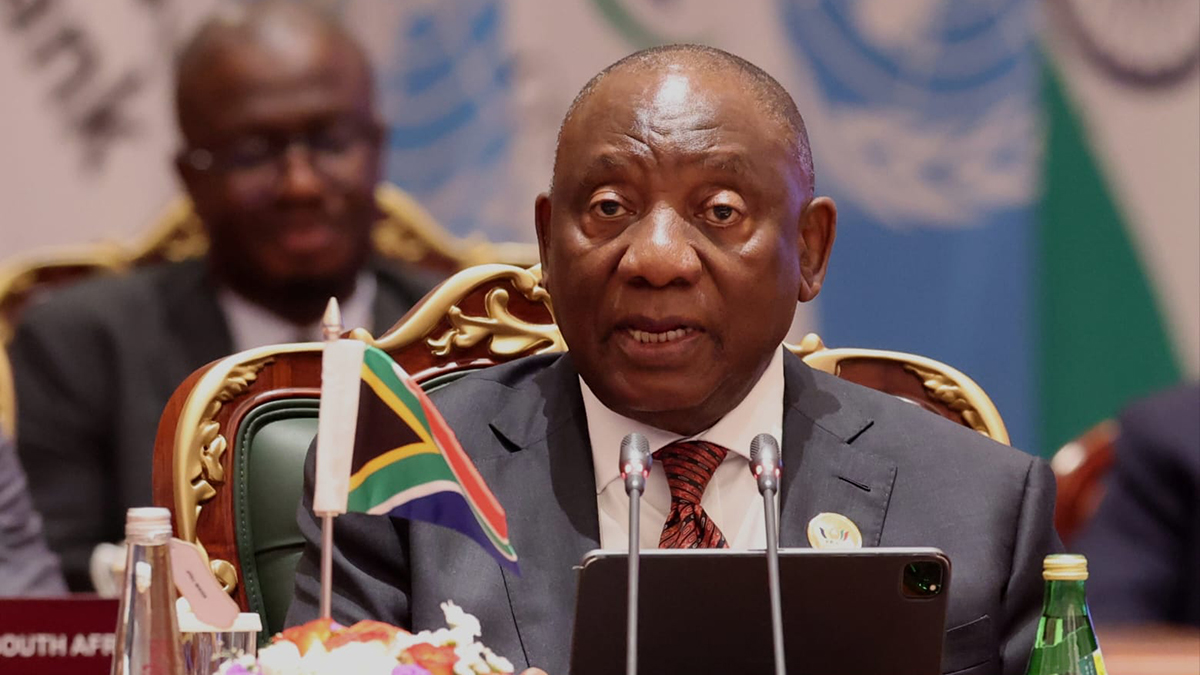
South Africa Leads BRICS Call for Global AI Governance and Independent Evaluation
South Africa, through President Cyril Ramaphosa, is advocating for a robust international framework for AI governance within the BRICS bloc, including independent scientific…
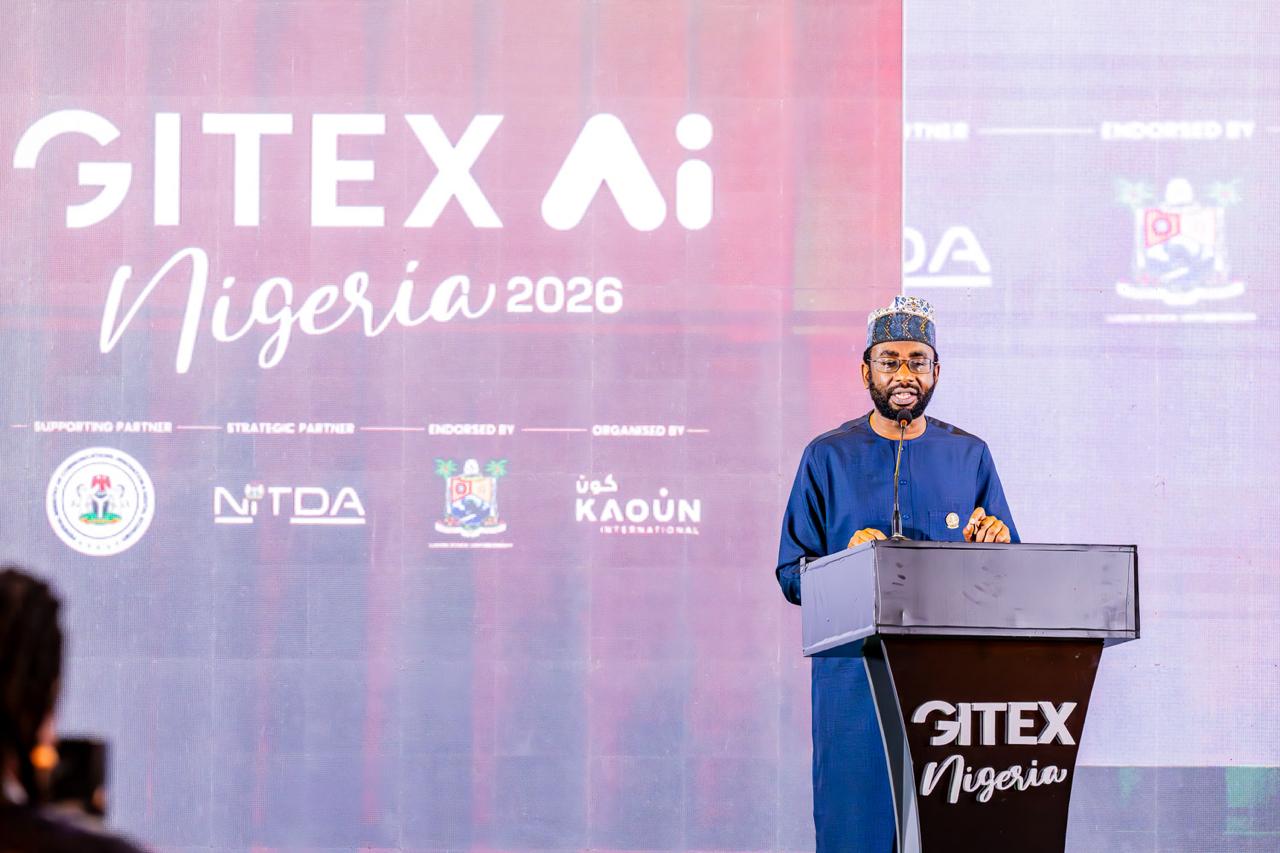
GITEX Nigeria Emphasizes Sovereign AI and Digital Transformation for a $1 Trillion Economy
GITEX Nigeria, a major tech and AI event, has launched in Abuja with a strong focus on advancing the nation's digital transformation and sovereign AI ambitions. Nigerian leaders…

Kenyan Political Operative Used Anthropic's Claude for AI-Generated Election Propaganda
A Kenyan political operative leveraged Anthropic's Claude AI to mass-produce social media propaganda ahead of the 2027 general election, praising government figures and targeting…

Anthropic Uncovers AI-Powered Political Influence Campaign in Kenya
A report by Anthropic details an AI-driven political influence operation in Kenya that used the Claude model to generate social media posts supporting the government and attacking…
The dispatch
One email a day. The AI stories shaping Africa.
Rewritten for clarity, sourced always. No spam; unsubscribe anytime.