World Bank Urges Ethiopia to Prioritize AI Adoption and Adaptation Over Frontier Ambitions

The World Bank's World Development Report 2026 advises Ethiopia to focus on adopting and adapting existing AI technologies rather than immediately pursuing frontier AI development. The report highlights that Ethiopia's weak digital infrastructure, skill shortages, and limited local data could hinder the productivity gains offered by AI. This assessment challenges Ethiopia's stated goal of becoming a leader in Africa's technological transformation and an advocate for digital sovereignty, as championed by Prime Minister Abiy Ahmed.
The Bank's framework suggests a "adopt, adapt, advance" sequence for developing economies. It recommends strengthening infrastructure and skills to effectively utilize current AI applications before investing heavily in cutting-edge systems. For Ethiopia, adapting AI to local languages (like Amharic, Oromo, Tigrinya), institutions, and agricultural conditions is crucial, as systems designed for other markets may not perform well locally.
The report notes that Ethiopia, similar to Vietnam, has a workforce concentrated in agriculture and manufacturing, sectors with lower immediate exposure to AI automation. While only a small percentage of jobs are at risk of automation, a larger proportion could be complemented by AI. Significant challenges remain in infrastructure, with many sub-Saharan African firms experiencing power outages and rural areas lacking consistent electricity and internet access. Foundational literacy issues also pose a barrier to digital skill development.
Despite these challenges, Ethiopia has a national AI policy and is part of the Digital Ethiopia 2030 program, demonstrating a commitment to digital transformation and international AI cooperation. The World Bank's core message is that Ethiopia's immediate priority should be creating conditions for productive AI use, such as expanding broadband and electricity, improving skills, developing local datasets, and strengthening data governance. This approach, while different from aiming for continental AI leadership, is compatible with technological self-determination and is essential to prevent widening productivity gaps.
Source
More in policy

South Africa Leads BRICS Call for Global AI Governance and Independent Evaluation
South Africa, through President Cyril Ramaphosa, is advocating for a robust international framework for AI governance within the BRICS bloc, including independent scientific…
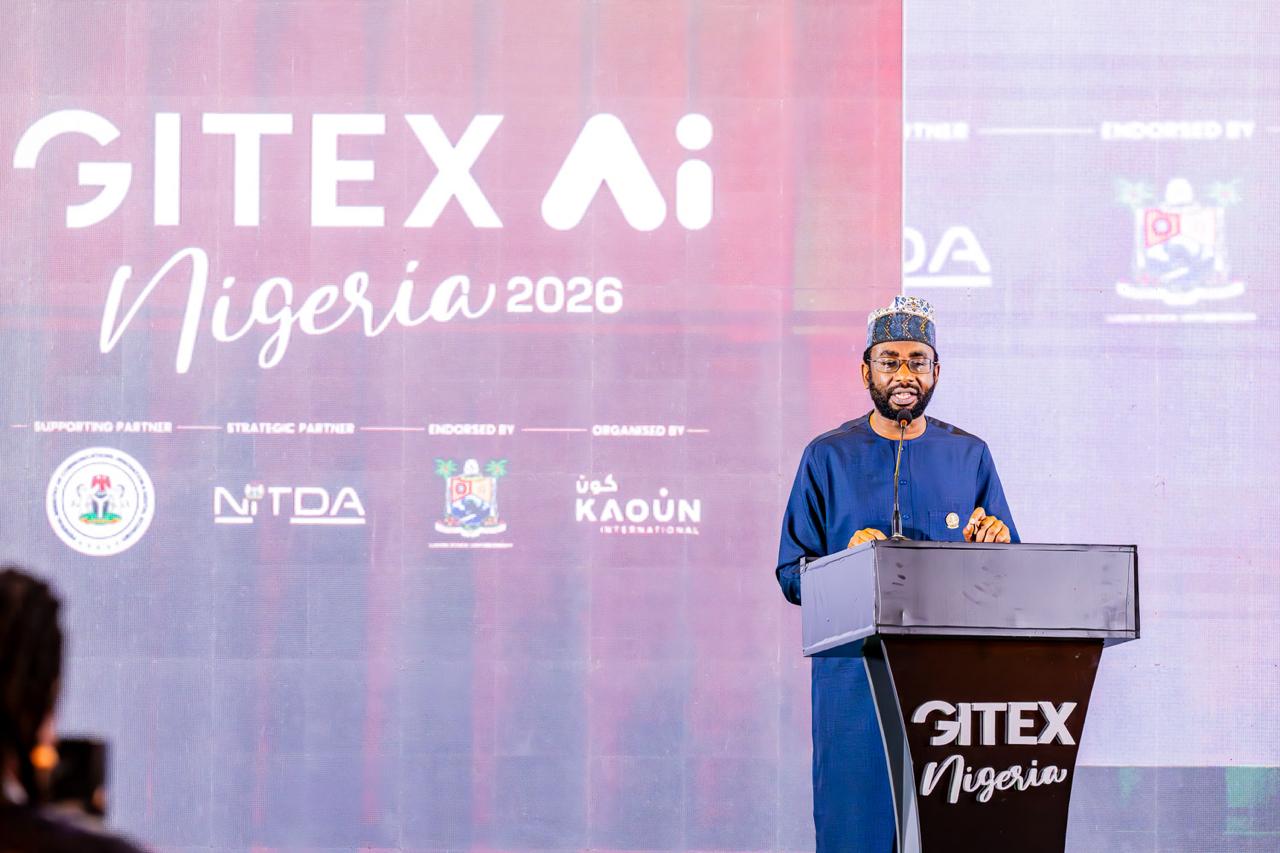
GITEX Nigeria Emphasizes Sovereign AI and Digital Transformation for a $1 Trillion Economy
GITEX Nigeria, a major tech and AI event, has launched in Abuja with a strong focus on advancing the nation's digital transformation and sovereign AI ambitions. Nigerian leaders…

Kenyan Political Operative Used Anthropic's Claude for AI-Generated Election Propaganda
A Kenyan political operative leveraged Anthropic's Claude AI to mass-produce social media propaganda ahead of the 2027 general election, praising government figures and targeting…

Anthropic Uncovers AI-Powered Political Influence Campaign in Kenya
A report by Anthropic details an AI-driven political influence operation in Kenya that used the Claude model to generate social media posts supporting the government and attacking…
The dispatch
One email a day. The AI stories shaping Africa.
Rewritten for clarity, sourced always. No spam; unsubscribe anytime.