Kenyan Counties Urged to Implement 'Decision-Recovery Drills' for AI Public Services

The article highlights the critical need for Kenyan county governments to implement "decision-recovery drills" for their AI pilot programs, particularly in public service delivery. It uses the hypothetical example of a bursary application to illustrate how inaccurate AI advice, even with good intentions, can misdirect citizens and lead to mishandled applications. The core argument is that while AI can speed up responses, public services must prioritize the ability of human staff to detect and correct AI errors, ensuring reliable outcomes for citizens.
The author points out the significant variation in digital service accessibility and infrastructure across Kenya's 47 counties, citing a 2026 Kenya Vision 2030 assessment. This diversity means a one-size-fits-all digital workflow, often modeled on Nairobi, is impractical. The country's National AI Strategy for 2025–2030 emphasizes digital infrastructure and AI governance, making practical, localized testing crucial for effective AI integration at the county level.
The proposed decision-recovery drill involves staging fictional cases with planted errors (e.g., invented rules, missing documents, wrong forms) and tasking staff to identify and correct them using authoritative sources. This exercise also extends to testing language accuracy, given Kenya's linguistic diversity, and rehearsing scenarios where connectivity fails. The goal is to ensure staff can critically evaluate AI output, locate original rules, and provide accurate, consistent information, even when systems are imperfect or offline.
Such drills are presented as a low-resource, high-impact method to operationalize the digital skills training already provided to public servants. By measuring error detection rates and follow-up on unresolved inquiries, counties can improve service quality and build trust in AI-assisted public services, moving beyond mere speed to focus on accuracy and citizen support.
Source
More in policy

Togo Pioneers AI Initiative to Digitize Indigenous Languages for Public Services
Togo has launched a pioneering national AI initiative, "Voix du Togo," to digitize its local languages, including Ewe, Kabiyè, and Moba. This program aims to build AI tools that…

Uganda Lays Data Foundation for Future National AI Strategy
Uganda has launched a five-year National Data Strategy, explicitly stating it is foundational for the country's forthcoming National AI Strategy. This move aims to improve data…
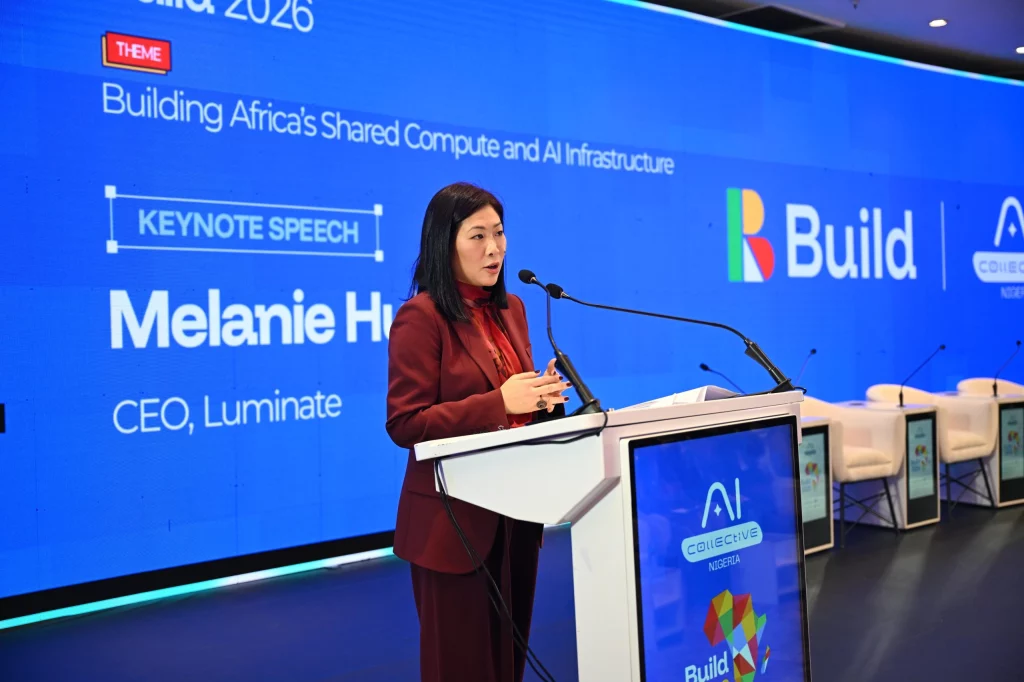
Luminate CEO Urges African Nations to Seize Control of Their Digital Future to Avoid AI Exploitation
Luminate CEO Melanie Hui warned African nations at the Build 2026 Conference in Abuja that they risk exploitation in the global AI economy if they do not secure genuine ownership…

Vodacom and Bowmans Advocate for Indigenous, Phased AI Regulatory Frameworks in Africa
Vodacom and Bowmans have published a policy paper advocating for African-centric AI regulation that accounts for the continent's unique social and economic conditions. The…
The dispatch
One email a day. The AI stories shaping Africa.
Rewritten for clarity, sourced always. No spam; unsubscribe anytime.