Google's AI Fake Detector Faces Uphill Battle Against Disinformation in Nigeria's 2027 Elections

Nigeria is bracing for its 2027 general elections amidst a growing surge in sophisticated AI-generated disinformation. Recent examples include deepfake images of deceased politicians, manipulated audio clips alleging electoral fraud, and videos falsely depicting political leaders making promises or being critically ill. These incidents highlight the ease with which convincing AI fakes can now be created, posing a significant threat to electoral integrity and public trust.
Google has introduced SynthID Detector, a new tool designed to identify AI-generated images, videos, and audio by scanning for embedded, imperceptible watermarks. Integrated into Google Search, Gemini, and Chrome, the platform processes over a million verification requests daily and partners with major AI developers like OpenAI and NVIDIA. While a promising advancement, its effectiveness in the Nigerian context is significantly limited.
The primary challenge for SynthID Detector in Nigeria is its inability to detect content created by open-source tools, cheap mobile apps, or AI platforms outside Google's partner ecosystem. These are precisely the tools most likely to be leveraged for political manipulation, as they do not embed the watermarks SynthID can read. Furthermore, the tool's English-only interface severely restricts its reach in a country where political discourse heavily involves Hausa, Yoruba, Igbo, Pidgin, and other local languages.
Despite these limitations, Nigeria is not entirely unprepared. The Independent National Electoral Commission (INEC) established an AI Division in May 2025, and local initiatives like ElectionWatch by the Center for Collaborative Investigative Journalism and FactCheckAfrica's MyAIFactChecker are developing AI-powered tools to combat misinformation, with some supporting local languages. However, the sheer volume and speed of AI-generated content continue to outpace verification efforts, leaving a substantial gap in the country's defense against deepfakes.
Source
More in policy
World Bank Advises Sub-Saharan Africa to Focus on 'Small AI' for Local Impact
The World Bank's recent report advises Sub-Saharan Africa to prioritize 'small AI' applications designed for local needs and low-bandwidth environments, rather than focusing on…
South Africa Must Prioritize Job Creation and Skills Development in its AI Strategy, New Report Urges
A new report emphasizes that South Africa must prioritize job creation and skills development in its AI strategy to mitigate high unemployment and leverage AI for economic growth.…
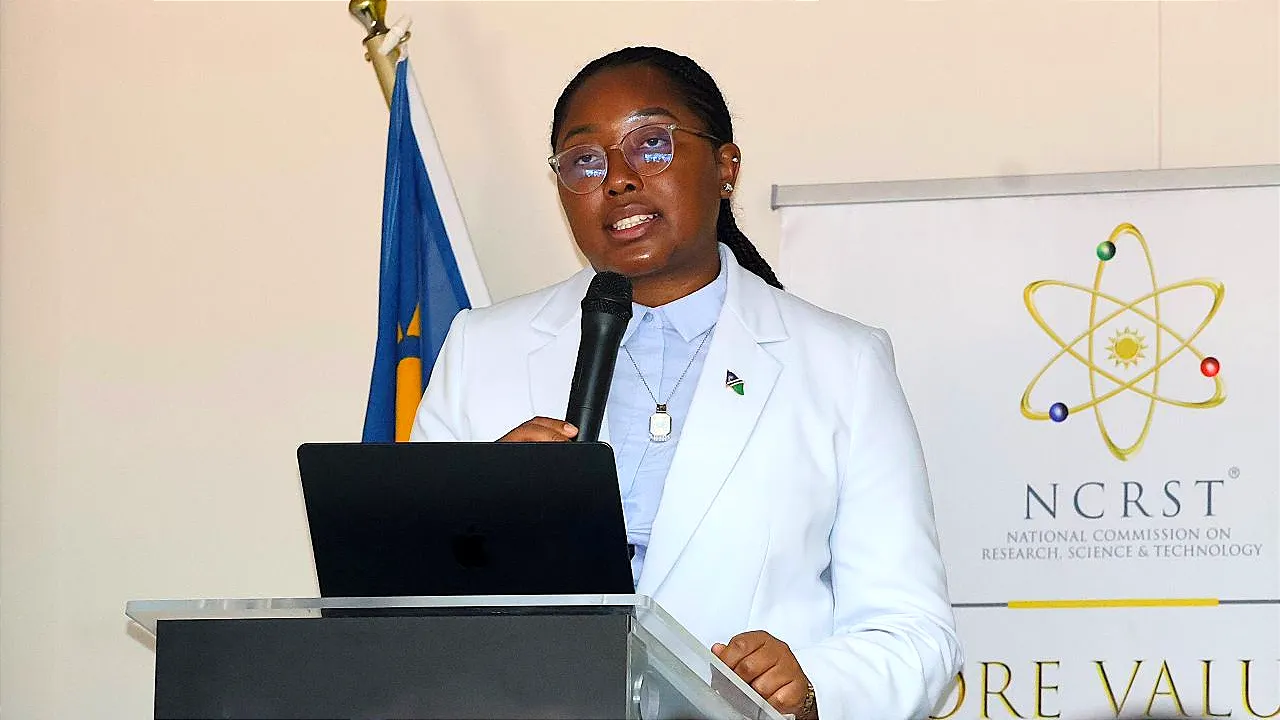
Namibia Launches National AI Institute to Address Identified Gaps in Local Readiness
Namibia has launched a National AI Institute directly structured to address specific gaps identified in its own AI Readiness Assessment, particularly focusing on the severe lack…
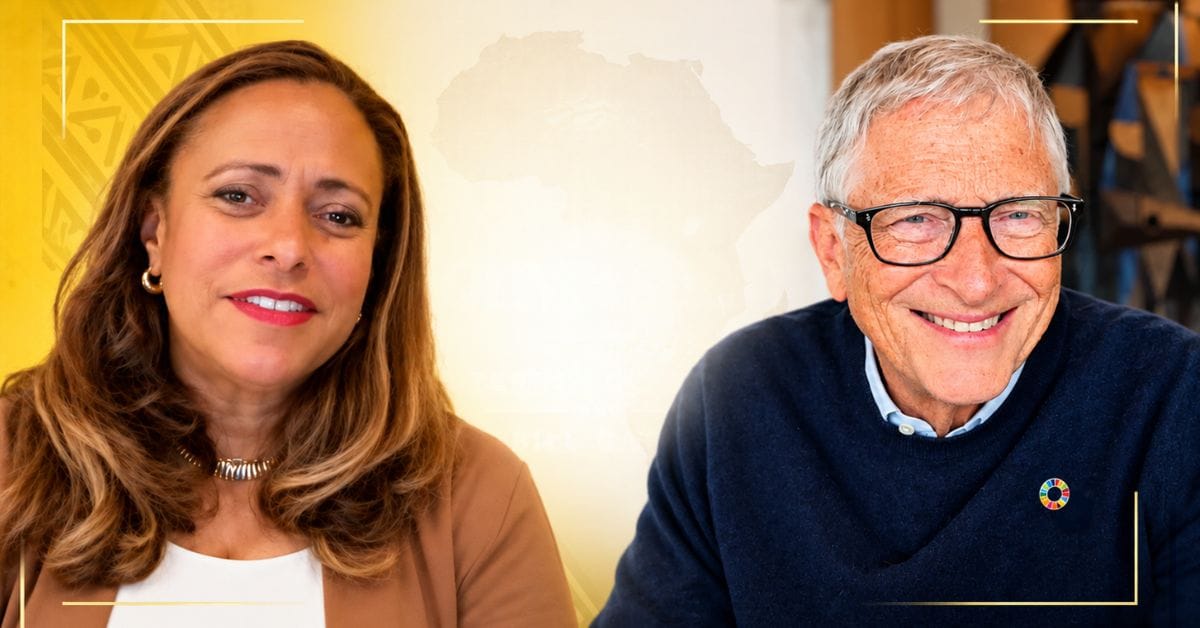
Bill Gates Outlines AI's Transformative Potential and Challenges for Africa
Bill Gates discussed how AI can transform African agriculture, health, and education, emphasizing the need for AI tools to be localized with African languages and data. He…
The dispatch
One email a day. The AI stories shaping Africa.
Rewritten for clarity, sourced always. No spam; unsubscribe anytime.