African Nations Prioritize AI Infrastructure Over Regulatory Frameworks, Highlighting a 'Sovereign AI' Paradox

The recent Africa Tech Festival in Cape Town revealed a critical divergence in how "sovereign AI" is being pursued across the continent. On one hand, there's a significant push for building physical AI infrastructure, exemplified by Cassava Technologies' substantial investment of up to $720 million to deploy 12,000 NVIDIA GPUs across South Africa, Kenya, Nigeria, Morocco, and Egypt. This initiative, which includes establishing "AI factories" in places like Egypt, marks a dramatic increase in compute power from an estimated 80 GPUs just a few years ago to thousands, reflecting a clear commitment to owning the hardware.
Conversely, the discussion around AI governance and data protection, particularly the right for individuals to challenge algorithmic decisions, remains largely theoretical or slow to implement. While countries like Kenya have issued guidance notes on AI, emphasizing human review of machine decisions, the continent's own binding data and cybersecurity treaty, the Malabo Convention, has seen limited ratification. This creates a paradox where the very nations investing heavily in AI compute power are often those lagging in adopting continental regulatory frameworks.
The article highlights that true sovereignty in AI might not be about owning the hardware, but rather about establishing robust governance that empowers citizens and provides recourse against AI-driven decisions. The current trend suggests African nations are prioritizing the acquisition of chips and building data centers, often with significant foreign investment and reliance on non-African models, over developing and enforcing comprehensive regulatory rules. This imbalance raises questions about who ultimately controls the AI systems impacting African citizens and whether the continent is truly building "sovereign" AI in a meaningful sense.
The slow enforcement mechanisms, as seen in Kenya's Worldcoin case where data deletion took years, further underscore the challenges in making regulatory rights effective. While the desire to solve local challenges with local talent is strong, the practical implementation points to a significant gap between the rapid infrastructure build-out and the slower, more complex process of establishing effective, enforceable AI governance.
Source
More in policy
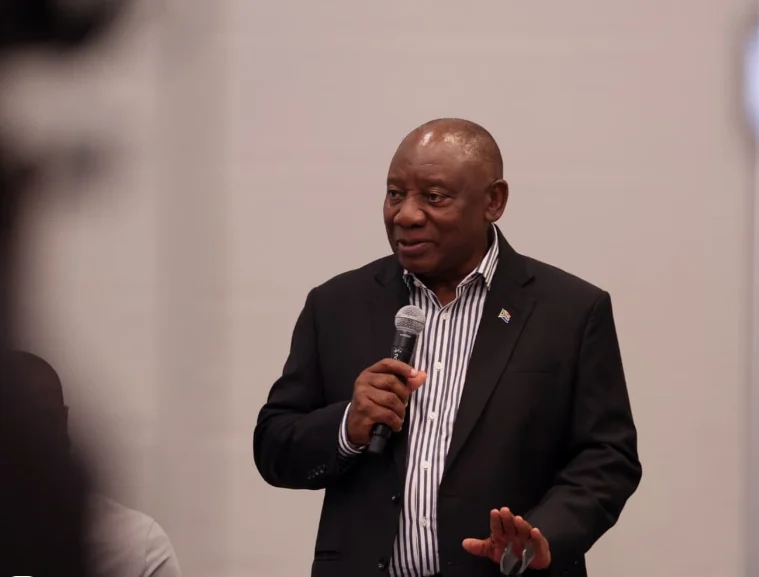
South Africa Plans R100m AI Fund and National Strategy Following Presidential Silicon Valley Visit
South African President Cyril Ramaphosa has backed plans for a R100 million venture capital fund to support local AI startups, and announced a 90-day plan to develop a National AI…
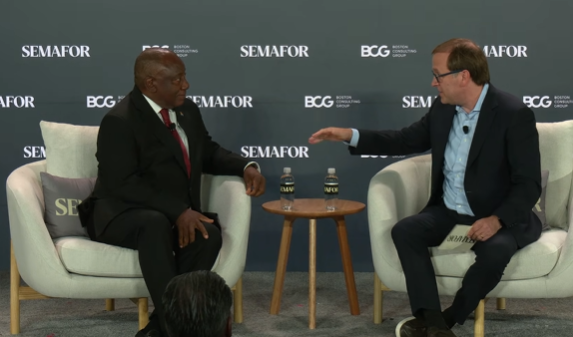
South Africa Seeks Active Role in Global AI Development, Not Just Consumption
South Africa is actively pursuing a leading role in the global AI economy, with President Ramaphosa engaging Silicon Valley to secure investments and partnerships for domestic AI…
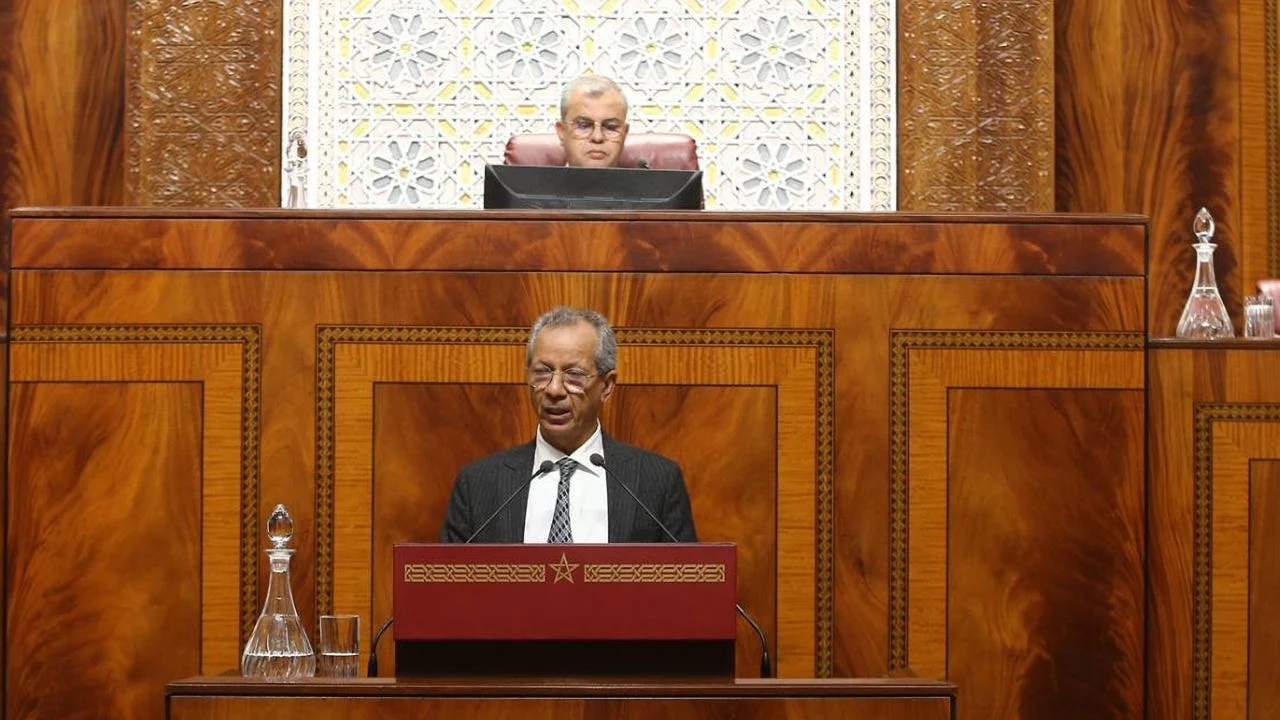
Morocco Establishes $256 Million AI Investment Fund, Outlines National Strategy
Morocco is launching a $256 million fund for AI startups as part of its ambitious "AI Made in Morocco" strategy. This national push aims to develop local AI capabilities, create…

African Development Bank Warns Continent Risks Missing Out on AI Investment Boom, Projects Trillion-Dollar GDP Boost with Adoption
The African Development Bank (AfDB) warns that Africa is largely missing out on global AI investment, even as its modeling suggests AI could add $1 trillion to the continent's GDP…
The dispatch
One email a day. The AI stories shaping Africa.
Rewritten for clarity, sourced always. No spam; unsubscribe anytime.