Bill Gates Outlines AI's Transformative Potential and Challenges for Africa

Microsoft co-founder Bill Gates, in an interview with Africa.com, discussed the profound impact of artificial intelligence on developing nations, particularly in Africa. He emphasized that while AI offers immense promise for the continent, realizing these benefits hinges on crucial decisions being made now by various stakeholders, not just the tech industry.
Gates highlighted agriculture as a sector already seeing rapid AI adoption in Africa, with tools assisting farmers in critical decisions like planting and disease identification. He framed Africa's historical information gap as an opportunity for AI to unlock significant productivity and economic growth. However, he cautioned that AI implementation in sensitive areas like health and education requires careful consideration and robust safeguards to prevent errors.
A central theme of the discussion was the necessity of grounding AI tools in local African languages and data. Gates acknowledged a market failure in this area, noting that commercial incentives alone have not driven the development of high-quality AI support for African languages. He revealed plans for significant investment, in collaboration with tech companies, to bring African languages to near-parity with English in AI applications, enabling millions to utilize these tools in their native tongues.
Addressing concerns about job displacement, Gates presented a contrasting view for Africa, where the challenge is a shortage of skilled professionals rather than a surplus of workers. He argued that AI can amplify the productivity and reach of existing professionals like doctors and teachers, rather than replacing them, suggesting a "huge" upside for Africa in the next five years. He also touched on infrastructure, advocating for data centers that benefit host communities through minimal water use and access to low-cost energy, which will be vital as African countries build their own AI capacities.
Gates concluded by stressing that Africa's AI opportunity lies in customizing global models to local languages, data, and regional needs, rather than developing foundational models from scratch. He urged proactive engagement from policymakers, researchers, businesses, and citizens to ensure AI becomes a powerful tool for expanding opportunity and avoids widening existing divides, drawing parallels to the world's slow response to pandemic preparedness.
Source
More in policy

World Bank Advises Sub-Saharan Africa to Focus on 'Small AI' for Local Impact
The World Bank's recent report advises Sub-Saharan Africa to prioritize 'small AI' applications designed for local needs and low-bandwidth environments, rather than focusing on…

South Africa Must Prioritize Job Creation and Skills Development in its AI Strategy, New Report Urges
A new report emphasizes that South Africa must prioritize job creation and skills development in its AI strategy to mitigate high unemployment and leverage AI for economic growth.…
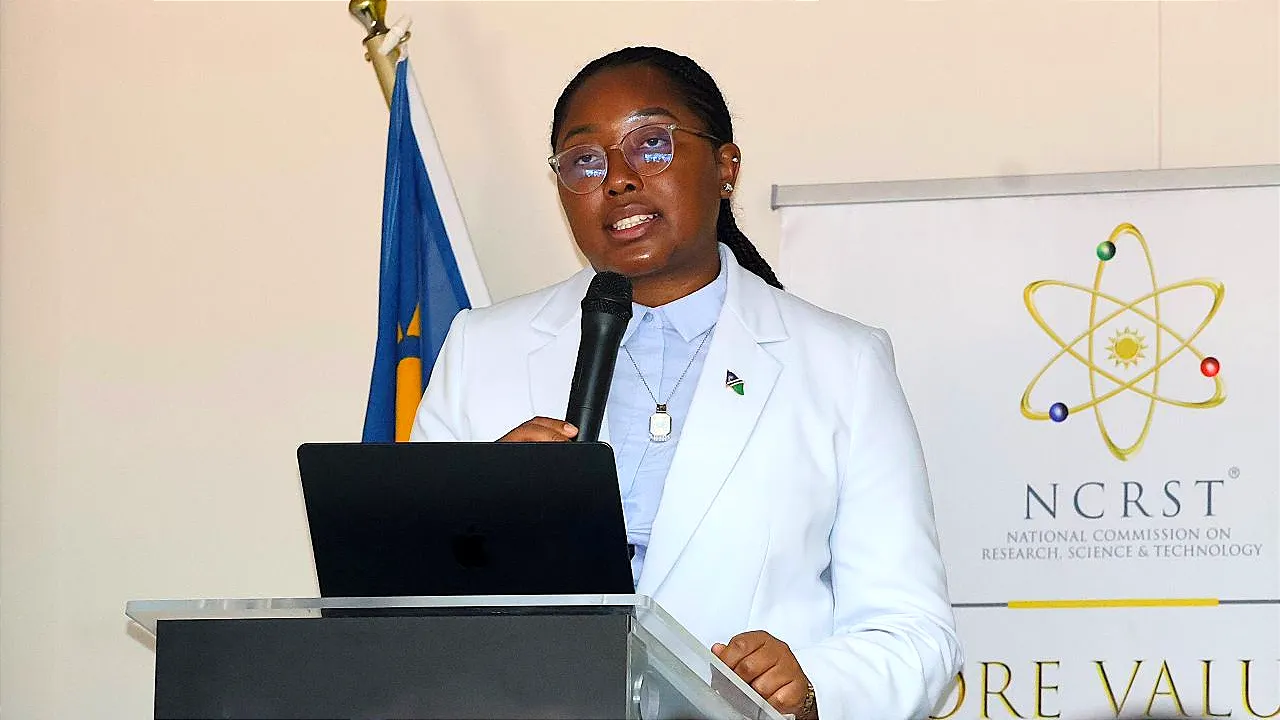
Namibia Launches National AI Institute to Address Identified Gaps in Local Readiness
Namibia has launched a National AI Institute directly structured to address specific gaps identified in its own AI Readiness Assessment, particularly focusing on the severe lack…

Leveraging Data and AI for Enhanced Economic Resilience Across Africa
Africa's economic resilience is increasingly dependent on its capacity to leverage data and AI for better decision-making in the face of various challenges. A World Bank study…
The dispatch
One email a day. The AI stories shaping Africa.
Rewritten for clarity, sourced always. No spam; unsubscribe anytime.