Rwandan PM Outlines Key Tests for African AI Sovereignty, Citing Infrastructure Gaps
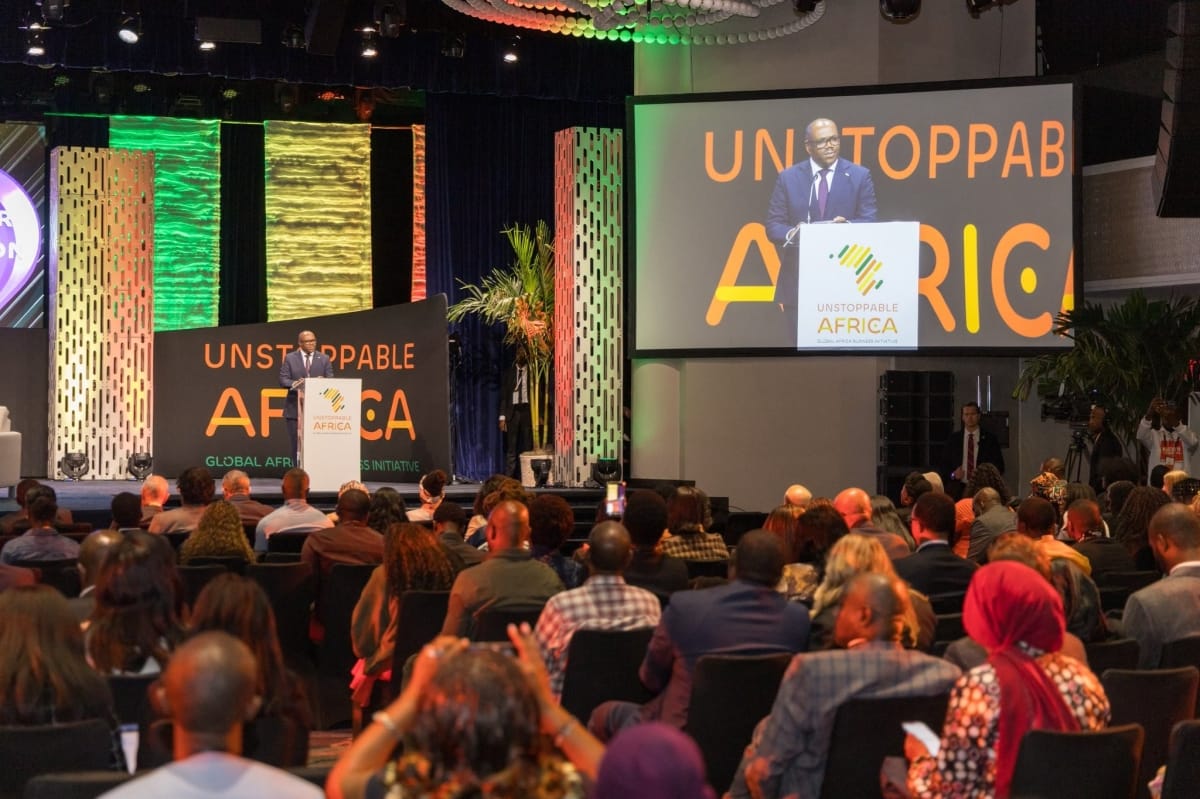
Rwandan Prime Minister Justin Nsengiyumva has introduced a robust framework for assessing a country's true participation in the global AI economy, moving beyond mere consumption. Speaking at Unstoppable Africa 2026, he proposed three critical questions: Can a state govern its citizens' data? Can its institutions access necessary infrastructure on predictable terms? And can African firms generate profit margins, or are they limited to distribution?
Nsengiyumva emphasized that if a country answers 'no' to any of these, it functions as a market for AI rather than an active participant. He explicitly stated Rwanda's intention to be a proactive player in shaping its AI future, clarifying that this approach doesn't seek self-sufficiency but rather equitable engagement and value capture within the global AI landscape.
The Prime Minister also candidly addressed Rwanda's primary challenges: the availability of affordable compute power and energy. He highlighted these constraints as precisely why the concept of AI sovereignty is so crucial for the nation. Despite these hurdles, Rwanda has made significant strides, including a national fiber-optic network, extensive 4G coverage, 5G pilots, numerous digitized government services, and a National AI Agency established in June.
A key actionable proposal from Nsengiyumva was a call for harmonized cross-border AI regulation across Africa. He argued that an application licensed in one African country should not require re-approval in 54 different jurisdictions, underscoring the need for regional policy alignment to foster a larger, more viable market for African AI innovation. This aligns with ongoing continental efforts by bodies like COMESA and the East African Community.
This framework and call to action are highly significant for Africa, providing a practical lens through which to evaluate AI development and policy. It challenges the continent to move beyond simply adopting foreign AI solutions to actively building, adapting, and deploying technology that generates local value and addresses specific African needs, rather than remaining a passive consumer.
Source
More in policy

World Bank Advises Sub-Saharan Africa to Focus on 'Small AI' for Local Impact
The World Bank's recent report advises Sub-Saharan Africa to prioritize 'small AI' applications designed for local needs and low-bandwidth environments, rather than focusing on…

South Africa Must Prioritize Job Creation and Skills Development in its AI Strategy, New Report Urges
A new report emphasizes that South Africa must prioritize job creation and skills development in its AI strategy to mitigate high unemployment and leverage AI for economic growth.…
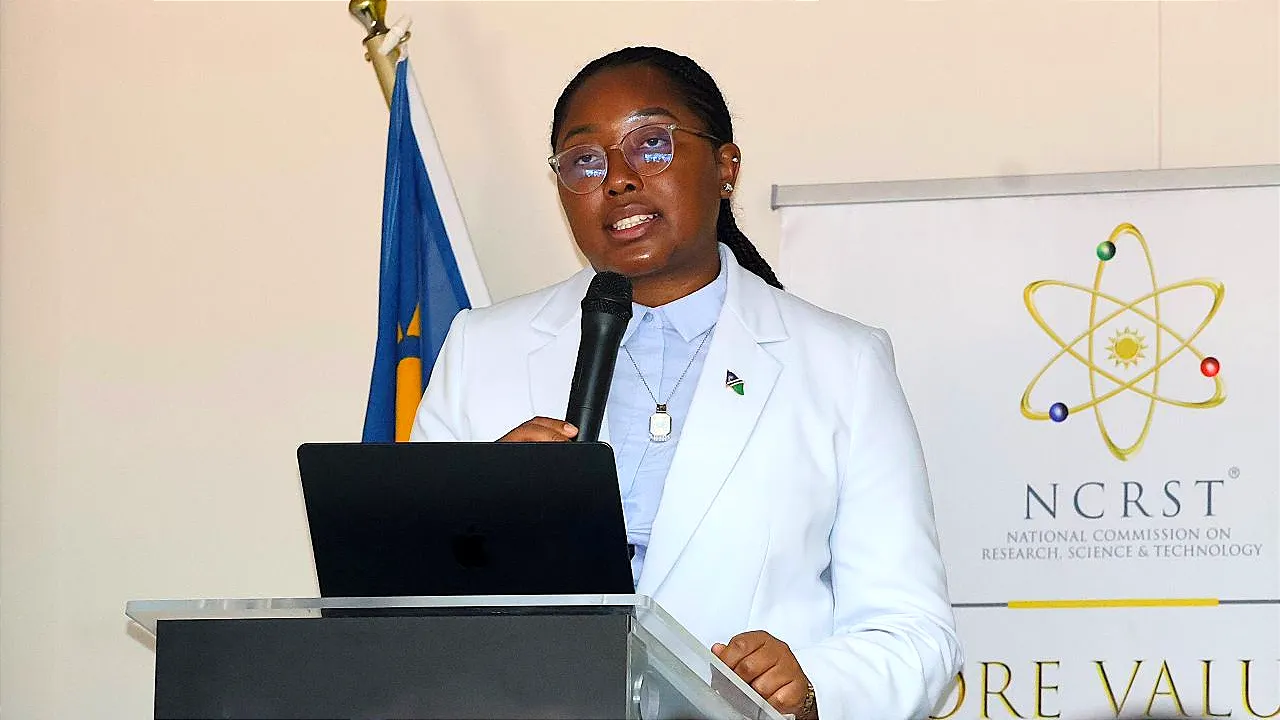
Namibia Launches National AI Institute to Address Identified Gaps in Local Readiness
Namibia has launched a National AI Institute directly structured to address specific gaps identified in its own AI Readiness Assessment, particularly focusing on the severe lack…

Bill Gates Outlines AI's Transformative Potential and Challenges for Africa
Bill Gates discussed how AI can transform African agriculture, health, and education, emphasizing the need for AI tools to be localized with African languages and data. He…
The dispatch
One email a day. The AI stories shaping Africa.
Rewritten for clarity, sourced always. No spam; unsubscribe anytime.