Indonesian Gambling Syndicate Exploits African Government Websites for SEO Advantage
An Indonesian gambling syndicate has been found embedding illegal online casino and lottery pages within official government websites across at least 16 African nations. This sophisticated scheme leverages the high credibility of .gov domains to significantly boost the gambling sites' search engine rankings on platforms like Google. The syndicate's objective is not to compromise data or disrupt services, but rather to exploit the trust associated with government websites to promote their illicit gambling operations to a wider audience.
The initial discovery was made by independent security researcher Chris Nwobi, founder of Zend Cybersecurity Threat Labs, who identified the syndicate's activities as early as November 2024 on Nigerian federal sites. The operation quickly expanded, affecting approximately 20 government websites in countries including Nigeria, Egypt, Kenya, Uganda, Ghana, South Africa, Mozambique, Rwanda, and Tanzania. Evidence, such as code hosted on Indonesian GitHub accounts and the use of Indonesia's national QR payment system, strongly points to an Indonesian origin for the syndicate.
The success of these infiltrations highlights significant cybersecurity vulnerabilities within African government digital infrastructure. Many affected servers are running outdated and unpatched software, with exposed databases and administrative panels, indicating a lack of basic security hygiene rather than a highly advanced attack. While some sites, like Nigeria's Federal High Court and Mozambique's national portal, have since been cleaned up following alerts, many remain compromised, serving gambling content to unsuspecting visitors who arrive via search engines.
This incident underscores the urgent need for African governments to enhance their cybersecurity measures and regularly audit their digital assets. The exploitation of public trust for illegal financial gain poses a reputational risk to government institutions and exposes citizens to illicit activities. The prompt response from Nigeria's Minister of Communications, Bosun Tijani, to initial reports demonstrates a potential for effective action, but sustained, comprehensive efforts are required to secure these critical online platforms across the continent.
Source
More in policy
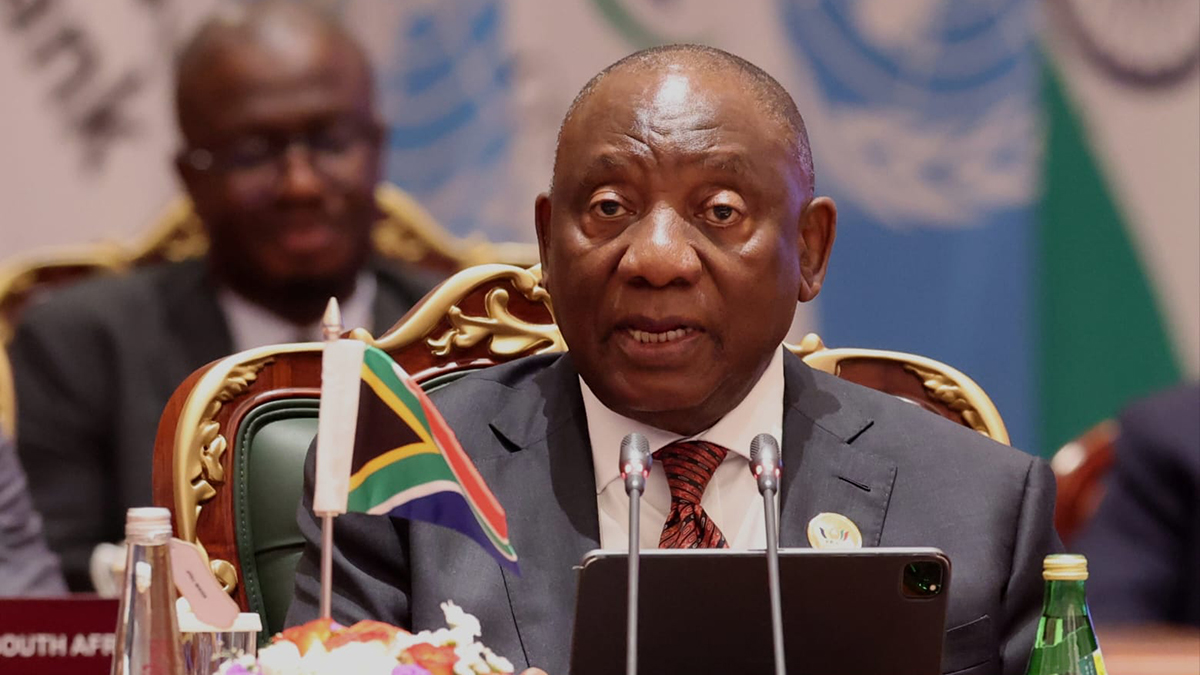
South Africa Leads BRICS Call for Global AI Governance and Independent Evaluation
South Africa, through President Cyril Ramaphosa, is advocating for a robust international framework for AI governance within the BRICS bloc, including independent scientific…
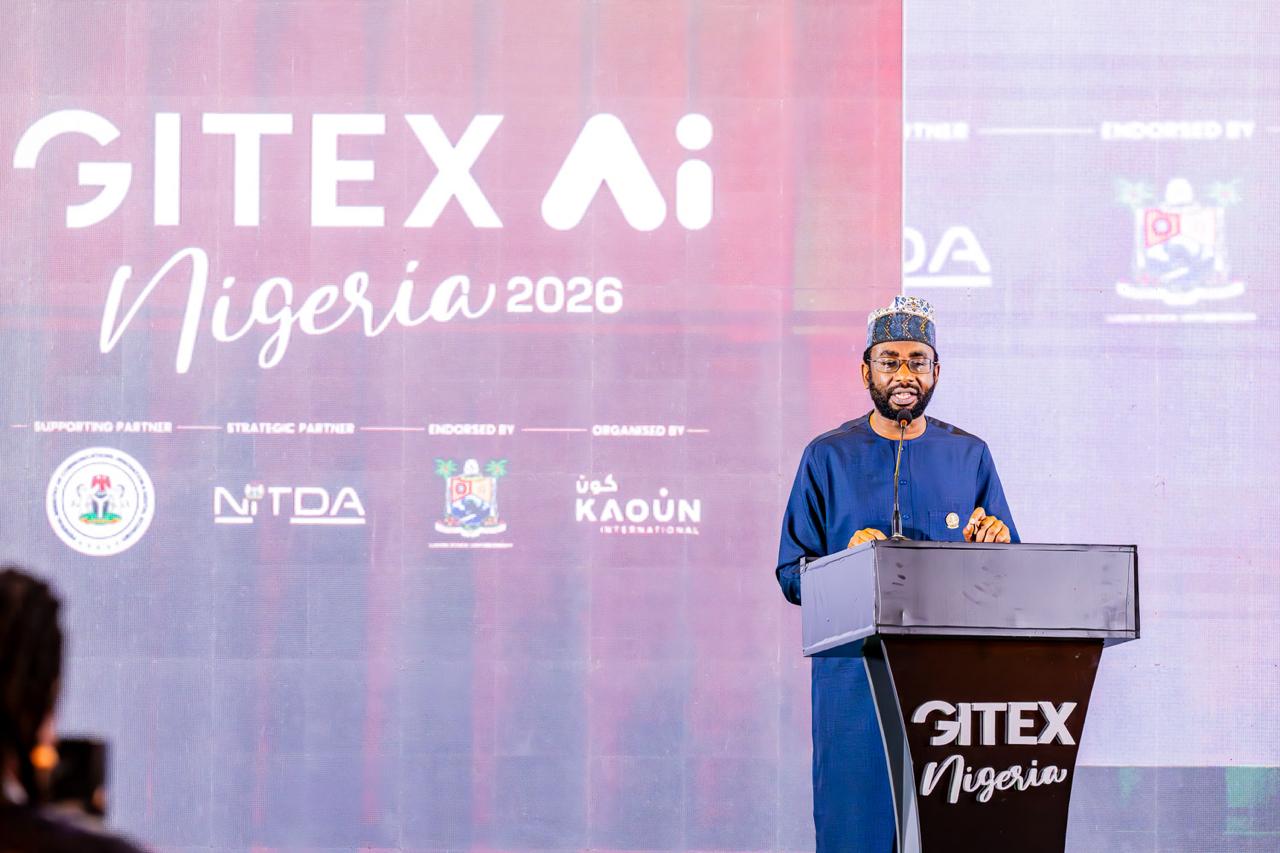
GITEX Nigeria Emphasizes Sovereign AI and Digital Transformation for a $1 Trillion Economy
GITEX Nigeria, a major tech and AI event, has launched in Abuja with a strong focus on advancing the nation's digital transformation and sovereign AI ambitions. Nigerian leaders…

Kenyan Political Operative Used Anthropic's Claude for AI-Generated Election Propaganda
A Kenyan political operative leveraged Anthropic's Claude AI to mass-produce social media propaganda ahead of the 2027 general election, praising government figures and targeting…

Anthropic Uncovers AI-Powered Political Influence Campaign in Kenya
A report by Anthropic details an AI-driven political influence operation in Kenya that used the Claude model to generate social media posts supporting the government and attacking…
The dispatch
One email a day. The AI stories shaping Africa.
Rewritten for clarity, sourced always. No spam; unsubscribe anytime.