Vodacom and Bowmans Advocate for Indigenous, Phased AI Regulatory Frameworks in Africa

Vodacom Group and law firm Bowmans have released a policy paper urging African nations to develop AI regulations tailored to the continent's unique economic and social landscapes, rather than directly adopting frameworks from other regions. The paper, titled "Governing Artificial Intelligence in Africa: A Principles-based Framework for Responsible Regulation," highlights that AI adoption in Africa is outpacing the establishment of governance mechanisms, presenting both immense opportunities and significant risks.
The proposed framework emphasizes grounding AI governance in human rights, fundamental freedoms, and dignity, alongside principles like transparency, accountability, and privacy. Crucially, it advocates for regulations that consider Africa's specific challenges, including infrastructure limitations, varying digital literacy levels, linguistic diversity, the prevalence of informal economies, and unequal technology access. Vodacom's Chief External Affairs Officer, Ayman Essam, stressed the need for Africa to actively shape its AI future, balancing protection with innovation through a phased regulatory approach that evolves with institutional capacity.
Furthermore, the paper calls for increased collaboration and alignment among African countries to mitigate regulatory fragmentation. By establishing common principles, terminology, and risk classifications, the continent can foster a more predictable environment for businesses and encourage cross-border data flows and integrated digital markets. Kate Paterson from Bowmans underscored the opportunity for Africa to create regulatory approaches that blend global best practices with local realities, fostering trust for innovation and investment.
The authors also advocate for a multi-stakeholder approach involving governments, regulators, industry, and civil society. This collaborative model would leverage the private sector's implementation expertise while ensuring public institutions maintain oversight and accountability, ultimately aiming to unlock AI's potential to contribute up to $1.5 trillion to Africa's economy by 2030.
Source
More in policy
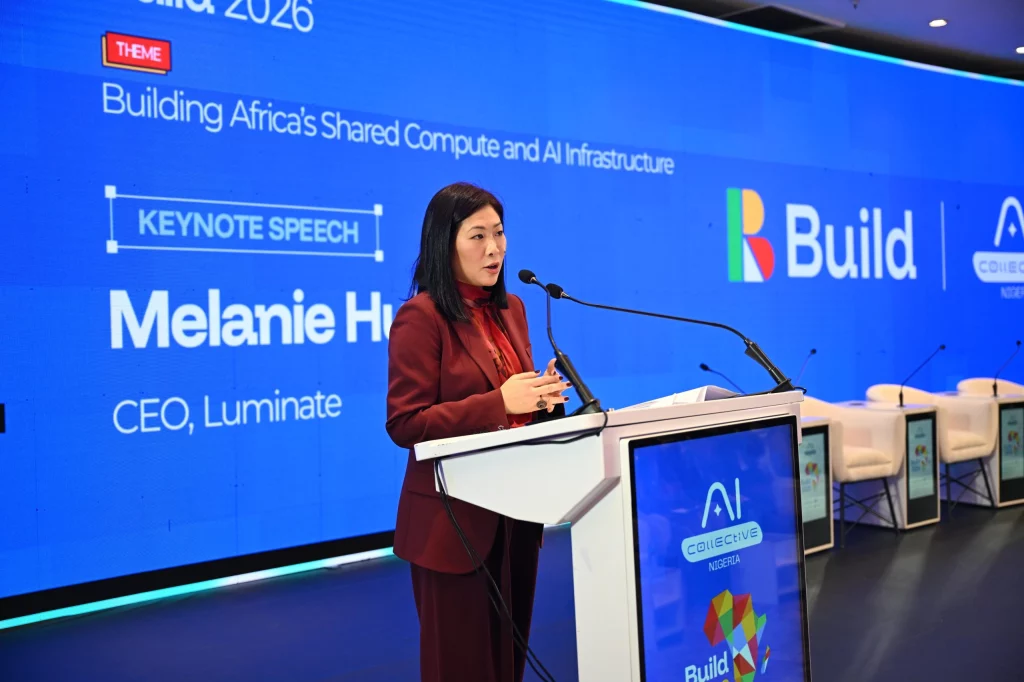
Luminate CEO Urges African Nations to Seize Control of Their Digital Future to Avoid AI Exploitation
Luminate CEO Melanie Hui warned African nations at the Build 2026 Conference in Abuja that they risk exploitation in the global AI economy if they do not secure genuine ownership…

Vodacom and Bowmans Advocate for Tailored African AI Governance Frameworks
Vodacom Group and Bowmans have released a policy paper urging African nations to develop AI governance frameworks that are uniquely tailored to the continent's specific economic,…

World Bank Report Outlines Africa's Path to AI Readiness, Emphasizing Foundational Infrastructure
A World Bank report, "Building AI Readiness," underscores that Africa's AI future is contingent on foundational elements like reliable electricity, connectivity, and local data.…

African Languages Lag in AI Safety Preparedness, New Report Reveals
A new report assesses the readiness of African languages for inclusion in AI safety discussions, identifying significant disparities in data and policy support. This…
The dispatch
One email a day. The AI stories shaping Africa.
Rewritten for clarity, sourced always. No spam; unsubscribe anytime.