Africa's AI Acquisition Wave: Local Context Trumps Raw Technology for Global Buyers

A distinctive trend in artificial intelligence mergers and acquisitions is emerging across Africa, where early-stage startups are being acquired not for their advanced models or computational power, but for their deep understanding of local context. This phenomenon challenges the conventional narrative that Africa's AI sector is merely playing catch-up, instead highlighting the unique value generated by companies solving region-specific problems. A notable example is the acquisition of Nigerian text-to-speech platform YarnGPT by Bluechip Technologies, a deal that, while modest in size, signals a broader strategic shift.
Over the past year, numerous small, strategic acquisitions have occurred. In Egypt, Edafa Venture Capital acquired construction-tech and medical imaging platforms, while South Africa saw Yoco purchase Dyner.ai, an AI operating system for independent restaurants. International giants like Meta and Vercel have also joined in, acquiring Egyptian-founded PlayAI (voice infrastructure) and Stakpak (DevOps agent), respectively, alongside Ethiopian-founded Better Auth (authentication library). These deals underscore a shared logic: the acquired entities created products uniquely suited to their local environments, generating intellectual property that general-purpose AI systems, often trained on Western datasets, struggle to replicate.
The value proposition lies in the "last mile" — the application of AI to the specific, often messy, realities of local industries, languages, or cultural nuances. As foundational AI models become increasingly commoditized, the ability to integrate AI effectively into diverse African contexts becomes a critical differentiator. African startups, built by teams deeply embedded in these specificities, possess a structural advantage, offering distribution channels, localized data, user relationships, and cultural tuning that large language models cannot easily absorb from the internet.
This trend signifies a maturation of Africa's AI ecosystem, offering varied exit opportunities for founders and early investors beyond traditional venture capital rounds. It allows for niche technologies to be integrated into larger platforms, returning capital and fostering further innovation. Crucially, it redefines what scaling means for African AI founders: instead of migrating to Silicon Valley, many are finding success by building deeper local roots and attracting buyers who recognize the indispensable value of context-specific AI solutions.
The acquisitions, while generally smaller in financial terms, represent a powerful validation of Africa's distinct contribution to the global AI landscape. They suggest a future where local expertise and cultural relevance are paramount, creating a vibrant ecosystem where African innovation not only solves local challenges but also contributes uniquely to the global AI dialogue.
Source
More in business
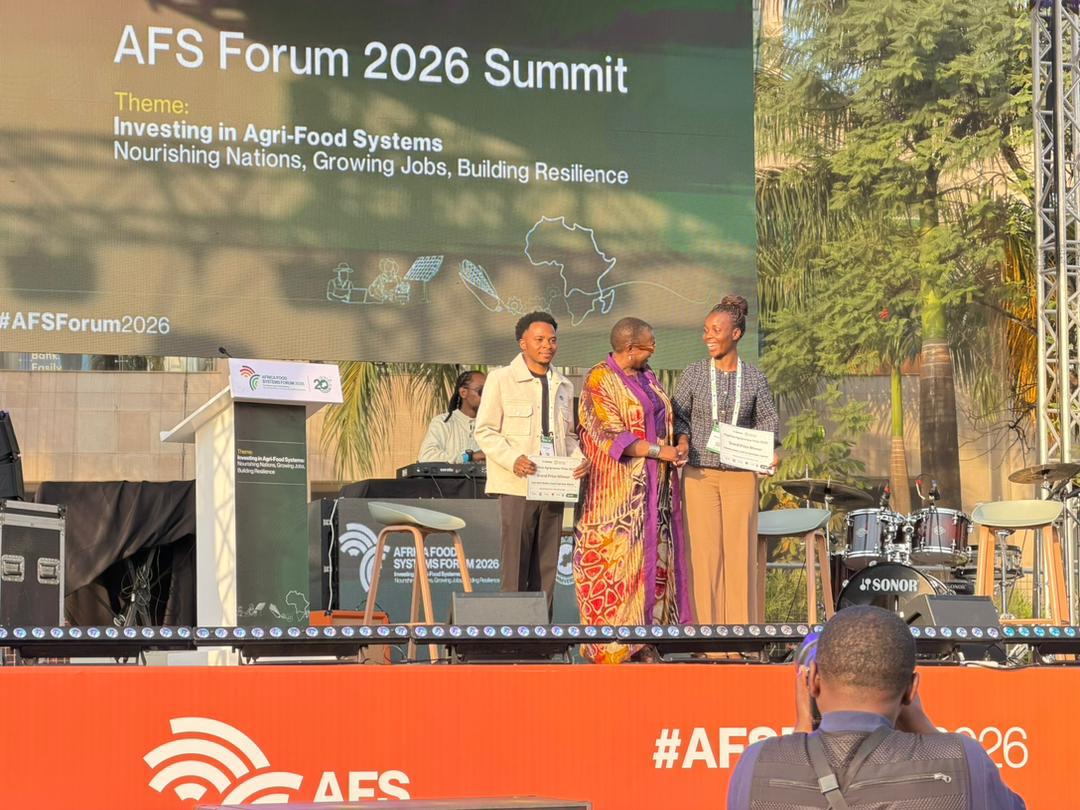
Ugandan Startup SANDI AI Secures $50,000 Prize to Boost Farmer Loan Access
Ugandan startup SANDI AI has won a $50,000 prize for its AI-driven platform designed to help smallholder farmers access loans without traditional collateral. This innovation aims…

Nigerian Innovator Uses AI to Safeguard Catfish Farms from Devastating Water Quality Issues
A Nigerian innovator developed an AI-powered device, Aquamanne, to help local fish farmers monitor water quality and prevent mass fish deaths. The system provides real-time alerts…

Nigerian AI Startup Secures $2M Deals to Protect Lithium Mines, Raising Data Sovereignty Questions
Nigerian defense-tech startup Terra Industries has secured $2 million in contracts to deploy AI-powered autonomous security systems at lithium mining sites across Nigeria. These…

Injini Launches AI-Focused EdTech Accelerator for Southern African Startups
Injini, an African EdTech accelerator, has launched a $125,000 AI education program for startups in nine Southern African countries. The initiative will support early-stage teams…
The dispatch
One email a day. The AI stories shaping Africa.
Rewritten for clarity, sourced always. No spam; unsubscribe anytime.